


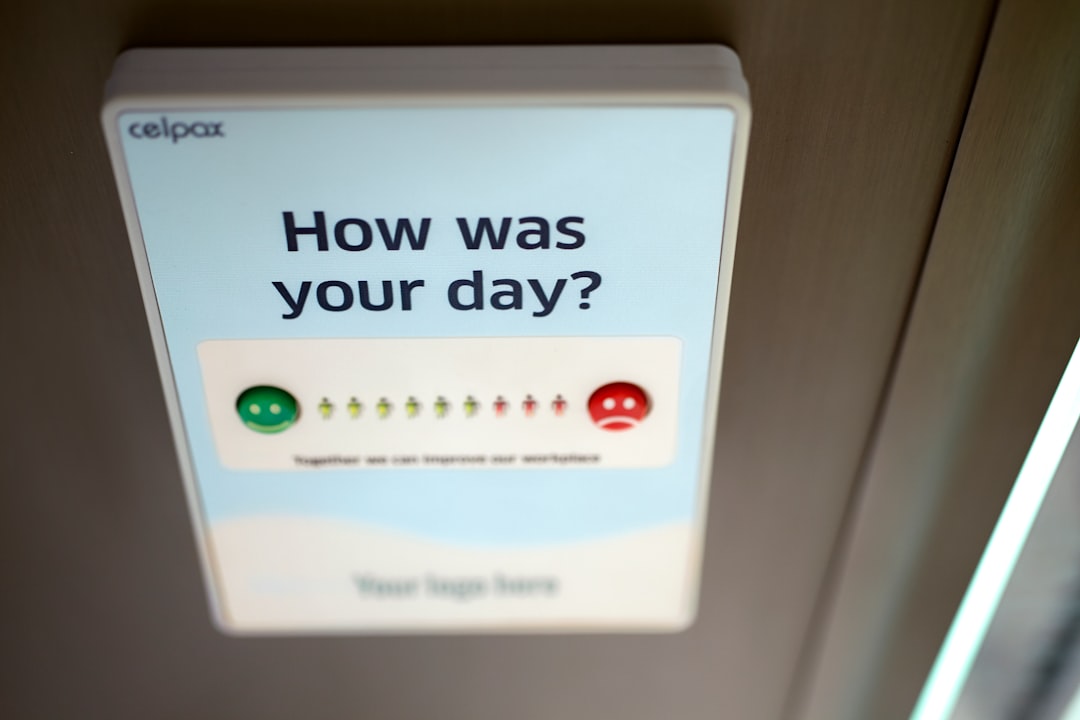
As a startup or business owner, you must recognize that customer experience is not just a buzzword; it is the lifeblood of your business. Every interaction a customer has with your brand shapes their perception and influences their decision to return or recommend your services to others. In today’s competitive landscape, where options are abundant, customers are more discerning than ever.
They seek not only quality products or services but also a seamless and enjoyable experience. By prioritizing customer experience, you can differentiate your brand from competitors, foster loyalty, and ultimately drive revenue growth. When customers feel valued and understood, they are more likely to become repeat buyers and advocates for your brand, amplifying your reach through word-of-mouth marketing.
Moreover, understanding customer experience allows you to identify pain points and areas for improvement. By actively engaging with your customers and soliciting their feedback, you can gain insights into their needs and preferences. This knowledge empowers you to make informed decisions that enhance the overall experience.
For instance, if customers consistently express frustration with a particular aspect of your service, you can take proactive steps to address it. This not only demonstrates that you value their input but also builds trust and credibility. In essence, a strong focus on customer experience can lead to increased customer satisfaction, reduced churn rates, and ultimately, a more sustainable business model.
Key Takeaways
- Customer experience is crucial for business success and customer retention
- Surveys play a key role in understanding and improving customer experience
- Effective survey questions are essential for gathering valuable insights
- Surveys should be implemented across various customer touchpoints for comprehensive feedback
- Analyzing and acting on survey results is vital for driving positive change in customer experience
The Role of Surveys in Improving Customer Experience
The Power of Surveys in Gathering Customer Insights
surveys are a valuable tool for gathering insights directly from customers, providing a structured way to collect feedback on various aspects of a business, from product quality to customer service interactions. By utilizing surveys, businesses can tap into the voice of the customer and gain a deeper understanding of their experiences and expectations.
Informing Data-Driven Decisions with Survey Results
The information gathered from surveys is crucial for making data-driven decisions that enhance customer experience. For instance, if survey results indicate that customers find a website difficult to navigate, businesses can prioritize website improvements to create a more user-friendly interface. Additionally, surveys allow businesses to track changes in customer sentiment over time.
Monitoring Trends and Adapting Strategies
By conducting regular surveys, businesses can monitor trends and identify shifts in customer preferences or satisfaction levels. This ongoing feedback loop enables businesses to stay ahead of the curve and adapt their strategies accordingly. For example, if a business notices a decline in satisfaction scores after launching a new product, they can investigate the underlying issues and make necessary adjustments before they escalate into larger problems.
Proactive Customer Experience Management
Ultimately, surveys empower businesses to be proactive rather than reactive in addressing customer concerns, leading to a more positive overall experience. By leveraging survey insights, businesses can take a proactive approach to customer experience management, driving loyalty, and long-term growth.
Designing Effective Survey Questions

Crafting effective survey questions is essential for obtaining meaningful feedback from your customers. You want to ensure that your questions are clear, concise, and relevant to the specific aspects of the customer experience you wish to evaluate. Start by defining the objectives of your survey—what information do you hope to gather?
For example, Once you have a clear goal in mind, formulate questions that align with those objectives. Avoid leading questions that may bias responses; instead, aim for neutrality to encourage honest feedback. For example, instead of asking, “How much did you love our product?” consider phrasing it as “How would you rate your satisfaction with our product?” In addition to clarity, consider the format of your questions.
For example, A mix of open-ended and closed-ended questions can provide both quantitative data and qualitative insights. Closed-ended questions allow for easy analysis and comparison, while open-ended questions give customers the opportunity to express their thoughts in their own words. This combination can yield richer insights into customer sentiment and preferences.
For example, Furthermore, keep the survey length manageable; lengthy surveys may lead to respondent fatigue and lower completion rates. By designing thoughtful and engaging survey questions, you can maximize response rates and gather actionable feedback that drives improvements in customer experience.
Implementing Surveys Across Different Customer Touchpoints
| Customer Touchpoint | Survey Response Rate | Customer Satisfaction Score |
|---|---|---|
| Website | 25% | 4.2 |
| Mobile App | 30% | 4.5 |
| 20% | 4.0 | |
| Phone Support | 35% | 4.3 |
To truly understand your customers’ experiences, it is crucial to implement surveys across various touchpoints throughout their journey with your brand. From the initial awareness stage to post-purchase follow-ups, each interaction presents an opportunity to gather feedback. For instance, consider sending a brief survey after a customer makes a purchase to gauge their satisfaction with the buying process.
Alternatively, you might implement surveys after customer service interactions to assess the effectiveness of your support team. By capturing feedback at multiple stages, you can create a comprehensive view of the customer experience. Moreover, leveraging different channels for survey distribution can enhance participation rates.
Email surveys are a common choice, but don’t overlook other platforms such as social media or in-app surveys for digital products. Each channel has its own audience dynamics; by diversifying your approach, you increase the likelihood of reaching a broader range of customers. Additionally, consider timing when sending out surveys—immediate follow-ups after key interactions often yield more accurate reflections of customer sentiment.
By strategically implementing surveys across various touchpoints and channels, you can gather richer data that informs your understanding of the overall customer experience.
Analyzing and Acting on Survey Results
Once you’ve collected survey responses, the next critical step is analyzing the data effectively. Begin by organizing the responses into categories that align with your survey objectives. Look for patterns and trends that emerge from the data; these insights can reveal underlying issues or highlight areas where you’re excelling.
For instance, if multiple customers mention delays in shipping times, this could indicate a need for operational improvements in your logistics processes. On the other hand, if many respondents praise your customer service team for their responsiveness, this is an area worth celebrating and reinforcing within your organization. However, analysis alone is not enough; it’s essential to take action based on the insights gathered from your surveys.
Create an action plan that outlines specific steps you’ll take to address any identified issues or capitalize on strengths. Communicate these changes internally so that your team understands how their efforts contribute to enhancing customer experience. Additionally, consider sharing relevant findings with your customers as well—this transparency demonstrates that you value their feedback and are committed to making improvements based on their input.
By analyzing survey results thoughtfully and taking decisive action, you can create a cycle of continuous improvement that enhances customer satisfaction over time.
Using Surveys to Measure Customer Satisfaction and Loyalty

Surveys are invaluable tools for measuring customer satisfaction and loyalty—two key indicators of business success. By regularly assessing these metrics through targeted surveys, you can gain insights into how well you’re meeting customer expectations and fostering long-term relationships. One effective method is to implement Net Promoter Score (NPS) surveys, which ask customers how likely they are to recommend your brand to others on a scale from 0 to 10.
This simple yet powerful question provides a clear snapshot of customer loyalty and can help identify promoters who may advocate for your brand as well as detractors who may require additional attention. In addition to NPS surveys, consider incorporating questions that delve deeper into specific aspects of satisfaction—such as product quality, service responsiveness, or overall experience. By analyzing these dimensions individually, you can pinpoint areas where improvements are needed or where you’re excelling.
Furthermore, tracking changes in satisfaction scores over time allows you to measure the impact of any initiatives or changes you’ve implemented based on previous feedback. Ultimately, using surveys as a means to gauge customer satisfaction and loyalty equips you with actionable insights that drive strategic decision-making.
Incorporating Feedback from Surveys into Business Strategies
Integrating feedback from surveys into your broader business strategies is essential for creating a customer-centric organization. When customers share their thoughts and experiences through surveys, they provide invaluable insights that should inform every aspect of your operations—from product development to marketing strategies. Start by prioritizing the feedback based on its relevance and potential impact on your business goals.
For instance, if customers express a desire for new features in your product line, consider allocating resources toward developing those features in future iterations. Moreover, fostering a culture of continuous improvement within your organization is crucial for effectively incorporating feedback into business strategies. Encourage team members across departments to engage with survey results and contribute ideas for addressing identified issues or enhancing strengths.
Regularly review feedback during team meetings or strategy sessions to ensure it remains top-of-mind as decisions are made. By embedding customer feedback into the fabric of your business strategy, you not only enhance the overall customer experience but also position your organization for long-term success in an ever-evolving marketplace.
Leveraging Technology to Enhance Surveying Processes
In today’s digital age, leveraging technology can significantly enhance your surveying processes and improve response rates. Various online survey tools offer user-friendly interfaces that allow you to create visually appealing surveys without requiring extensive technical expertise. These platforms often come equipped with features such as customizable templates, branching logic (which tailors questions based on previous answers), and real-time analytics dashboards that simplify data collection and analysis.
By utilizing these tools, you can streamline the surveying process while ensuring that it remains engaging for respondents. Additionally, consider integrating automation into your surveying efforts to save time and resources. Automated email campaigns can be set up to send surveys at specific intervals or after key interactions with customers—ensuring timely feedback collection without manual intervention each time.
Furthermore, leveraging data analytics tools can help you uncover deeper insights from survey responses by identifying correlations between different variables or tracking changes over time more efficiently. By embracing technology in your surveying processes, you not only enhance efficiency but also improve the quality of insights gathered—ultimately leading to better-informed decisions that elevate the customer experience.
If you’re interested in enhancing your business’s customer service and overall atmosphere, you might find the article “Creating an Atmosphere of Peace” particularly useful. It discusses strategies for fostering a peaceful and welcoming environment that can significantly improve customer satisfaction. This can be especially beneficial when considering how to design customer surveys that effectively capture the sentiments of your clients in such a tranquil setting. To read more about these insightful strategies, visit Creating an Atmosphere of Peace.
FAQs
What is a customer survey?
A customer survey is a tool used by businesses to gather feedback from their customers. It typically consists of a series of questions designed to assess customer satisfaction, preferences, and overall experience with the company.
Why are customer surveys important?
Customer surveys are important because they provide businesses with valuable insights into the needs and preferences of their customers. This feedback can be used to improve products, services, and overall customer experience.
How are customer surveys conducted?
Customer surveys can be conducted through various methods, including online surveys, phone surveys, in-person interviews, and mail-in surveys. Businesses may also use customer feedback software to collect and analyze survey responses.
What are the benefits of conducting customer surveys?
Conducting customer surveys can help businesses identify areas for improvement, measure customer satisfaction, and gather insights for product development and marketing strategies. It also shows customers that their opinions are valued.
What are some common types of customer survey questions?
Common types of customer survey questions include rating scales (e.g., on a scale of 1-5, how satisfied are you with our product?), open-ended questions (e.g., what improvements would you like to see?), and demographic questions (e.g., age, gender, location).
How can businesses use the data collected from customer surveys?
Businesses can use the data collected from customer surveys to make informed decisions about product development, marketing strategies, customer service improvements, and overall business operations. This data can also be used to track changes in customer satisfaction over time.


