


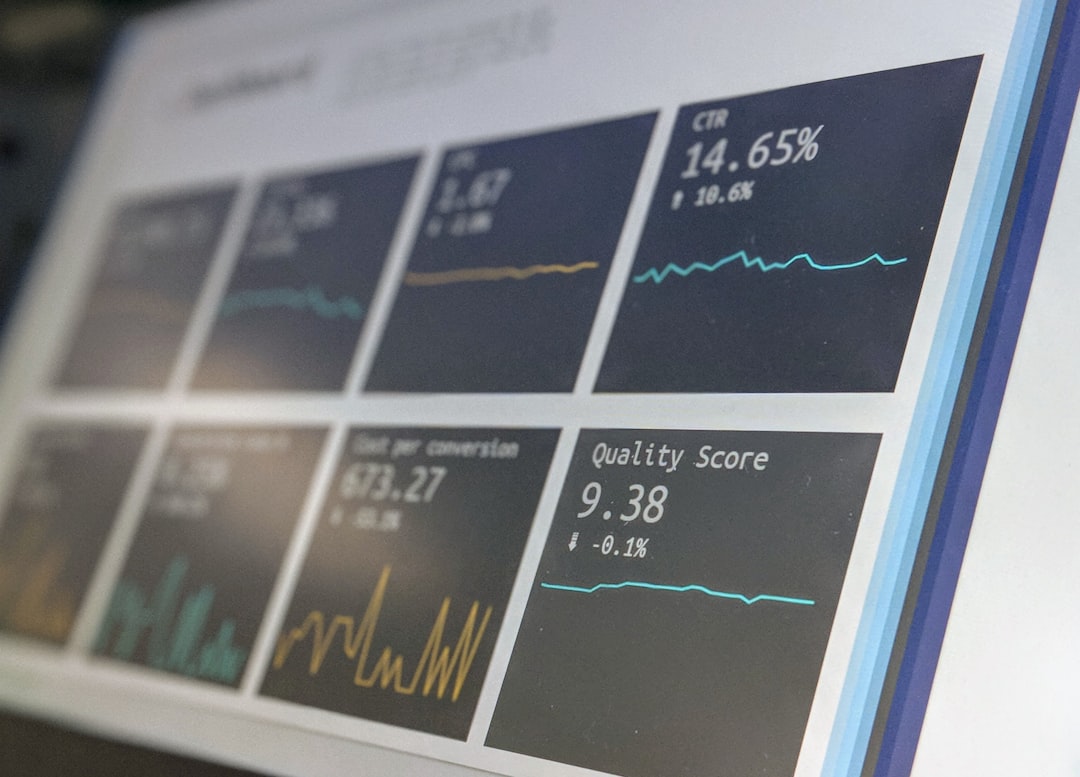
In today’s fast-paced business environment, the ability to anticipate future trends and behaviors is more crucial than ever. Predictive analytics, a branch of advanced analytics that uses historical data, statistical algorithms, and machine learning techniques, empowers organizations to make informed decisions based on data-driven insights. By analyzing patterns and trends from past data, predictive analytics enables you to forecast future outcomes with a degree of accuracy that can significantly enhance your strategic planning.
As you navigate through the complexities of your industry, understanding the fundamentals of predictive analytics can provide you with a competitive edge, allowing you to stay ahead of the curve and respond proactively to market changes. The rise of big data has transformed the landscape of predictive analytics, making it accessible to businesses of all sizes. With the proliferation of data sources—from customer interactions to social media activity—organizations can now harness vast amounts of information to derive meaningful insights.
This evolution has led to a paradigm shift in how businesses operate, moving from reactive strategies to proactive decision-making. As you delve deeper into the world of predictive analytics, you will discover its potential not only to enhance operational efficiency but also to foster innovation and drive growth. Embracing this technology is no longer optional; it is essential for survival in an increasingly data-driven world.
Key Takeaways
- Predictive analytics uses data, statistical algorithms, and machine learning techniques to identify the likelihood of future outcomes based on historical data.
- The benefits of predictive analytics include improved decision-making, increased efficiency, better risk management, and enhanced customer satisfaction.
- Implementing predictive analytics in business involves identifying business goals, collecting relevant data, selecting appropriate tools and techniques, and integrating predictive models into business processes.
- Challenges in predictive analytics include data quality issues, lack of skilled personnel, privacy concerns, and resistance to change within the organization.
- Leveraging predictive analytics for marketing can help businesses understand customer behavior, personalize marketing campaigns, optimize pricing strategies, and improve customer retention.
The Benefits of Predictive Analytics
Improved Decision-Making
One of the most significant benefits of predictive analytics is the ability to improve decision-making processes. By leveraging historical data and sophisticated algorithms, you can identify trends and patterns that may not be immediately apparent. This insight allows you to make informed choices that align with your business objectives, ultimately leading to better outcomes.
Optimized Operations and Enhanced Customer Experience
Predictive analytics can help you optimize inventory management by forecasting demand more accurately, reducing excess stock and minimizing costs associated with overproduction. Moreover, predictive analytics enhances customer experience by enabling personalized interactions. By analyzing customer behavior and preferences, you can tailor your marketing efforts and product offerings to meet individual needs.
Stronger Customer Connections and Increased Revenue
As you implement predictive analytics in your organization, you will find that it empowers you to anticipate customer needs, allowing you to engage with them in a more meaningful way. The result is a stronger connection between your brand and your customers, which can translate into increased revenue and market share.
Implementing Predictive Analytics in Business
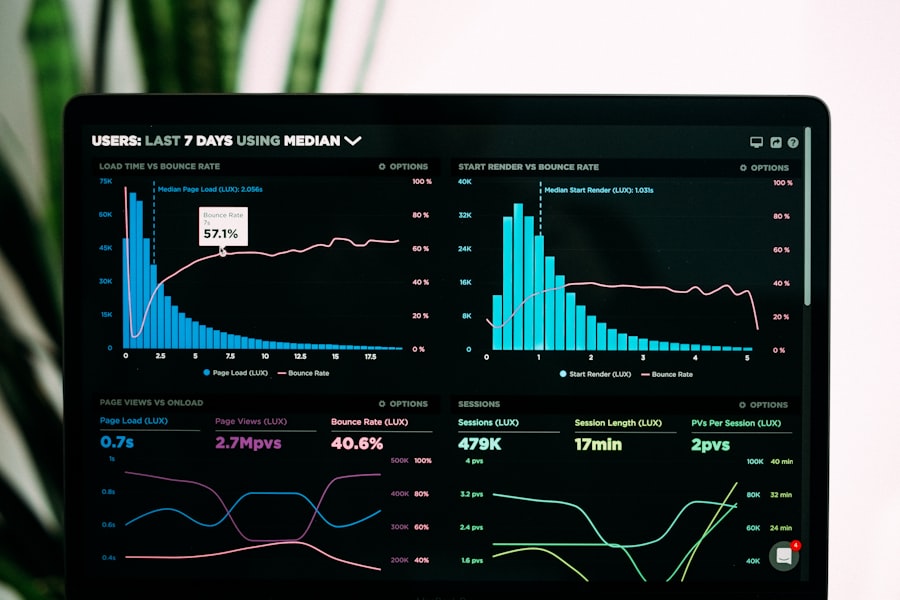
To successfully implement predictive analytics in your business, it is essential to start with a clear strategy that aligns with your organizational goals. This involves identifying the specific problems you aim to solve or the opportunities you wish to capitalize on through predictive insights. Once you have established your objectives, the next step is to gather and prepare your data.
This process includes cleaning and organizing your data to ensure its accuracy and relevance. As you embark on this journey, consider investing in robust data management systems that can handle large volumes of information efficiently. After preparing your data, the next phase involves selecting the right analytical tools and techniques that suit your business needs.
There are numerous software solutions available that cater to various aspects of predictive analytics, from data visualization to machine learning algorithms. As you explore these options, it is crucial to involve key stakeholders from different departments within your organization. Collaboration will not only enhance the quality of insights generated but also foster a culture of data-driven decision-making across your business.
By integrating predictive analytics into your operations, you will be well-positioned to harness its full potential and drive sustainable growth.
Overcoming Challenges in Predictive Analytics
| Challenges | Solutions |
|---|---|
| Data Quality | Implement data cleansing and validation processes |
| Model Overfitting | Regularization techniques and cross-validation |
| Interpretable Models | Use simpler models and feature selection |
| Scalability | Utilize distributed computing and cloud resources |
While the benefits of predictive analytics are substantial, there are also challenges that you may encounter during its implementation. One significant hurdle is the quality of data. Inaccurate or incomplete data can lead to misleading insights, which can adversely affect decision-making processes.
To mitigate this risk, it is essential to establish robust data governance practices that ensure data integrity and consistency across your organization. Regular audits and updates of your data sources will help maintain high-quality information that can be relied upon for analysis. Another challenge lies in the complexity of predictive models themselves.
Developing accurate models requires a deep understanding of statistical methods and machine learning techniques, which may be outside the expertise of your current team. To address this issue, consider investing in training programs for your employees or collaborating with external experts who specialize in predictive analytics. By building internal capabilities or leveraging external knowledge, you can enhance your organization’s analytical proficiency and ensure that you are making the most of the insights generated through predictive analytics.
Leveraging Predictive Analytics for Marketing
In the realm of marketing, predictive analytics has emerged as a game-changer, enabling businesses to refine their strategies and maximize their return on investment. By analyzing customer data, such as purchasing behavior and engagement patterns, you can identify segments within your target audience that are most likely to convert. This insight allows you to tailor your marketing campaigns more effectively, ensuring that your messaging resonates with potential customers.
For instance, by predicting which products a customer is likely to purchase based on their past behavior, you can create personalized recommendations that enhance their shopping experience. Furthermore, predictive analytics can help optimize marketing budgets by identifying the most effective channels for reaching your audience. By analyzing historical campaign performance data, you can determine which marketing strategies yield the highest returns and allocate resources accordingly.
This level of precision not only improves campaign effectiveness but also reduces wasted spending on less impactful initiatives. As you leverage predictive analytics in your marketing efforts, you will find that it empowers you to make data-driven decisions that enhance customer engagement and drive sales growth.
Predictive Analytics in Healthcare

Proactive Patient Care
By analyzing patient data—such as medical history, treatment plans, and demographic information—healthcare providers can identify individuals at risk for certain conditions or complications. This proactive approach enables early intervention strategies that can significantly improve patient care and reduce healthcare costs over time.
Personalized Treatment and Resource Allocation
For example, predictive models can help identify patients who may benefit from preventive measures or targeted therapies based on their unique health profiles. In addition to enhancing patient care, predictive analytics can optimize resource allocation within healthcare organizations. By forecasting patient admission rates and treatment demands, hospitals can better manage staffing levels and inventory supplies.
Transforming Healthcare Delivery
This not only ensures that patients receive timely care but also minimizes operational inefficiencies that can strain resources. As you explore the applications of predictive analytics in healthcare, you will discover its potential to transform how care is delivered while improving overall health outcomes for patients.
Ethical Considerations in Predictive Analytics
As with any powerful tool, the use of predictive analytics raises important ethical considerations that must be addressed. One primary concern is the potential for bias in algorithms that could lead to unfair treatment or discrimination against certain groups. If historical data reflects societal biases, these biases may be perpetuated in predictive models, resulting in skewed outcomes that adversely affect marginalized populations.
To mitigate this risk, it is essential to implement rigorous testing and validation processes for your predictive models, ensuring that they are fair and equitable across diverse demographics. Another ethical consideration involves data privacy and security. As organizations collect vast amounts of personal information for analysis, safeguarding this data becomes paramount.
You must ensure compliance with relevant regulations—such as GDPR or HIPAA—and adopt best practices for data protection. Transparency with customers about how their data is used and obtaining informed consent are critical steps in building trust and maintaining ethical standards in your predictive analytics initiatives.
The Future of Predictive Analytics
Looking ahead, the future of predictive analytics appears promising as advancements in technology continue to evolve at an unprecedented pace. The integration of artificial intelligence (AI) and machine learning into predictive analytics will further enhance its capabilities, allowing for more sophisticated models that can analyze complex datasets with greater accuracy. As these technologies become more accessible, businesses across various sectors will increasingly adopt predictive analytics as a core component of their strategic decision-making processes.
Moreover, as organizations continue to recognize the value of data-driven insights, there will be a growing emphasis on fostering a culture of analytics within workplaces. This shift will encourage employees at all levels to embrace data as a vital resource for driving innovation and improving performance. As you prepare for this future landscape, investing in training programs and cultivating analytical skills within your team will be essential for harnessing the full potential of predictive analytics in your business endeavors.
Embracing these changes will not only position you as a leader in your industry but also ensure that you remain competitive in an ever-evolving marketplace driven by data insights.
If you’re interested in exploring how predictive analytics can transform business strategies, you might find the article on “Creating an Atmosphere of Peace” intriguing. Although it primarily focuses on cultivating a peaceful work environment, understanding such atmospheres can be crucial when predicting employee performance and satisfaction, which are key components of predictive analytics in HR and organizational development. You can read more about this perspective by visiting Creating an Atmosphere of Peace. This article provides insights that could be valuable in enhancing predictive analytics frameworks by incorporating elements that foster a positive and productive workplace.
FAQs
What is predictive analytics?
Predictive analytics is the use of data, statistical algorithms, and machine learning techniques to identify the likelihood of future outcomes based on historical data.
How is predictive analytics used?
Predictive analytics is used in a variety of industries, including finance, healthcare, retail, and marketing, to forecast trends, behavior, and outcomes. It can be used for customer segmentation, risk assessment, fraud detection, and demand forecasting, among other applications.
What are the benefits of predictive analytics?
The benefits of predictive analytics include improved decision-making, increased efficiency, reduced risk, and the ability to identify new opportunities. It can also help organizations better understand their customers and improve their overall performance.
What are some common techniques used in predictive analytics?
Common techniques used in predictive analytics include regression analysis, decision trees, neural networks, and time series analysis. These techniques help to identify patterns and relationships in data that can be used to make predictions.
What are the challenges of predictive analytics?
Challenges of predictive analytics include data quality issues, the need for skilled data scientists and analysts, and the potential for bias in the data and algorithms used. Additionally, there may be ethical and privacy considerations when using predictive analytics.
What is the difference between predictive analytics and other types of analytics?
Predictive analytics focuses on predicting future outcomes, while other types of analytics, such as descriptive and diagnostic analytics, focus on understanding past and current data. Predictive analytics uses statistical and machine learning techniques to make predictions based on historical data.


