


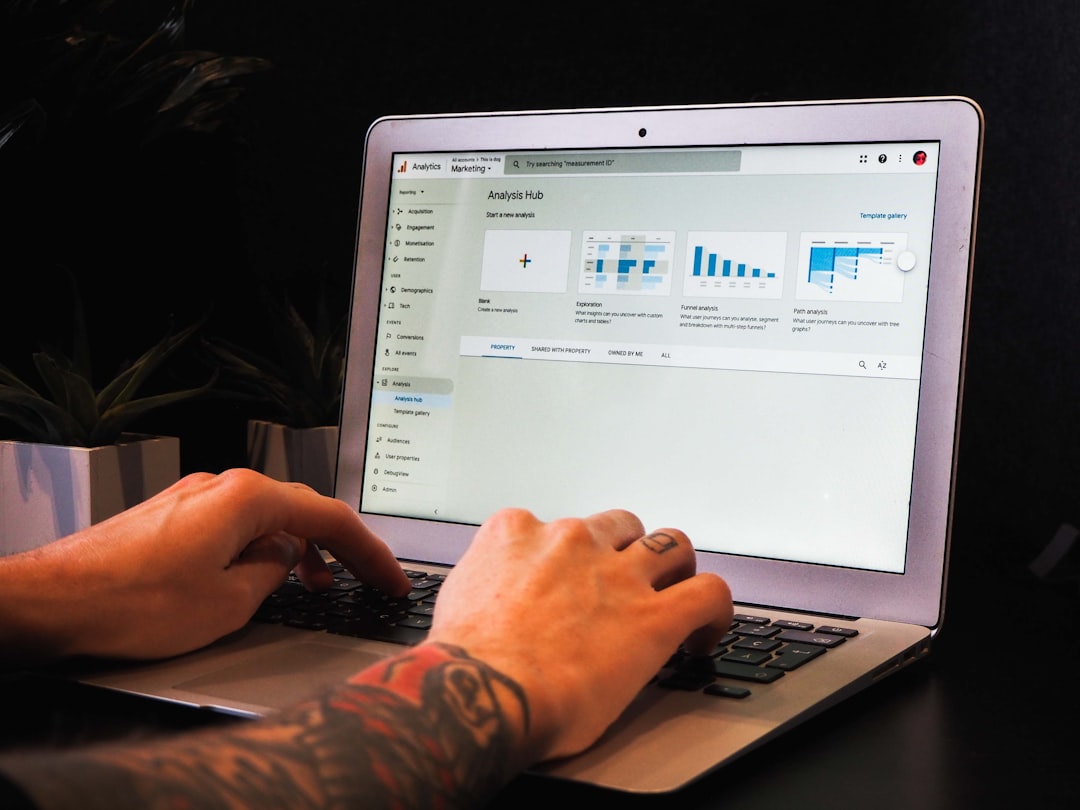
In the digital age, webinars have emerged as a powerful tool for businesses to connect with their audience, generate leads, and drive sales. However, simply hosting a webinar is not enough; understanding the analytics behind it is crucial for maximizing its effectiveness. Webinar analytics provide you with insights into how your audience interacts with your content, allowing you to refine your approach and enhance your overall strategy.
By leveraging these analytics, you can identify trends, measure engagement, and ultimately improve your conversion rates. This is especially true when using platforms like Kartra, which offers built-in webinar features that simplify the process of tracking and analyzing your performance. As you embark on your journey to harness the power of webinar analytics, it’s essential to recognize that data is your ally.
The insights gleaned from your webinars can inform not only future presentations but also your broader marketing strategy. By diving deep into the metrics available through Kartra, you can uncover valuable information about your audience’s preferences and behaviors. This knowledge empowers you to create more targeted content, optimize your sales funnel, and ultimately drive better results.
In this article, we will explore the various aspects of webinar analytics, from understanding key metrics to implementing data-driven improvements that can elevate your webinars to new heights.
Key Takeaways
- Webinar analytics provide valuable insights into audience behavior and engagement during online events.
- Key metrics such as attendance rate, engagement duration, and audience feedback help in understanding the success of webinars.
- Data can be used to tailor content and interactions to better engage the audience and improve the overall webinar experience.
- Tracking conversion and ROI through analytics helps in measuring the effectiveness of webinars in achieving business goals.
- Analytics can be leveraged to optimize webinar content, format, and delivery for maximum impact and audience satisfaction.
Understanding Key Metrics
Understanding Key Webinar Metrics
To effectively utilize webinar analytics, it’s essential to familiarize yourself with the key metrics that matter most. These metrics include attendance rates, engagement levels, drop-off points, and conversion rates. Attendance rates provide insight into how many people registered for your webinar versus how many actually attended.
Attendance and Engagement Rates
A high attendance rate suggests that your promotional efforts were successful, while a low rate may indicate a need for better targeting or follow-up strategies. Engagement levels are equally important; they reflect how actively participants interacted with your content during the session. Metrics such as chat participation, poll responses, and Q&A engagement can provide insight into what resonates with your audience.
Drop-Off Points and Content Adjustments
Another critical metric to consider is the drop-off point during the webinar. This refers to the moment when attendees leave the session, which can reveal whether certain segments of your presentation are less engaging or relevant. By analyzing these drop-off points, you can make informed decisions about content adjustments for future webinars.
Conversion Rates and Performance Evaluation
Lastly, conversion rates measure how many attendees took a desired action after the webinar, such as signing up for a newsletter or making a purchase. Understanding these key metrics allows you to create a comprehensive picture of your webinar’s performance and identify areas for improvement.
Utilizing Data for Audience Engagement

Once you have a grasp on the key metrics, the next step is to utilize this data to enhance audience engagement. Engaging your audience during a webinar is crucial for keeping their attention and encouraging interaction. By analyzing past webinars through Kartra’s analytics tools, you can identify which topics generated the most interest and engagement.
This information can guide you in selecting future topics that are more likely to resonate with your audience. Additionally, consider incorporating interactive elements such as polls or quizzes based on the data you’ve gathered; these features not only keep attendees engaged but also provide real-time feedback on their interests. Moreover, personalizing the experience based on attendee data can significantly boost engagement levels.
For instance, if you notice that a particular segment of your audience consistently engages with specific types of content or questions, tailor your future webinars to address those interests directly. You can also segment your email lists based on past webinar attendance and engagement levels, allowing you to send targeted invitations and reminders that speak directly to their preferences. By leveraging data in this way, you create a more engaging and relevant experience for your audience, ultimately leading to higher retention rates and increased conversions.
Tracking Conversion and ROI
| Metrics | Value |
|---|---|
| Conversion Rate | 25% |
| Return on Investment (ROI) | 150% |
| Cost per Conversion | 10 |
| Conversion Tracking Accuracy | 90% |
Tracking conversion rates and return on investment (ROI) is essential for evaluating the success of your webinars. After all, the ultimate goal of hosting a webinar is not just to inform but also to convert attendees into leads or customers. Using Kartra’s built-in analytics features, you can easily track how many attendees took action after the webinar—whether that’s signing up for a free trial, purchasing a product, or downloading additional resources.
By comparing these numbers against your registration figures, you can calculate your conversion rate and assess the effectiveness of your sales pitch during the webinar. In addition to tracking conversions, it’s vital to analyze the ROI of your webinars. This involves calculating the total costs associated with hosting the webinar—such as marketing expenses, platform fees, and any additional resources used—and comparing them against the revenue generated from conversions.
Understanding your ROI helps you determine whether webinars are a worthwhile investment for your business and informs future budgeting decisions. If you find that certain webinars yield higher returns than others, you can focus on replicating those successful strategies in future sessions.
Leveraging Analytics for Content Optimization
Content optimization is another critical aspect of maximizing the effectiveness of your webinars. By leveraging analytics from previous sessions, you can identify which content types resonate most with your audience and adjust accordingly. For instance, if data shows that attendees engage more with case studies or real-life examples rather than theoretical concepts, consider incorporating more of these elements into your presentations.
Additionally, analyzing attendee feedback collected through post-webinar surveys can provide valuable insights into what worked well and what could be improved. Furthermore, A/B testing different content formats or presentation styles can help you refine your approach over time. For example, you might experiment with varying lengths of presentations or different visual aids to see which combination yields better engagement and conversion rates.
Kartra’s analytics tools allow you to track these variations effectively, enabling you to make data-driven decisions about content optimization. By continuously refining your content based on analytics insights, you can create more compelling webinars that not only attract attendees but also convert them into loyal customers.
Personalizing the Webinar Experience

Understanding Your Audience
For instance, if you notice that a significant portion of your attendees are small business owners, consider focusing on topics that address their unique challenges and opportunities. This targeted approach not only enhances engagement but also positions you as an authority in addressing their specific pain points.
Personalized Communication
Personalizing communication before and after the webinar can significantly improve attendee experience and retention rates. Use Kartra’s automation features to send personalized invitations based on past behavior or interests.
Fostering Connection and Conversions
After the webinar concludes, follow up with tailored thank-you emails that include relevant resources or offers based on what attendees engaged with during the session. This level of personalization fosters a sense of connection between you and your audience, increasing the likelihood of future interactions and conversions.
Analyzing Attendee Behavior
Understanding attendee behavior during webinars is crucial for optimizing future sessions and improving overall performance. By analyzing how participants interact with various elements of your presentation—such as polls, chat features, or Q&A sessions—you can gain insights into their preferences and engagement levels. For example, if attendees frequently ask questions during specific segments of your presentation, it may indicate that those topics are particularly relevant or intriguing to them.
Conversely, if there’s little interaction during certain sections, it may be time to reevaluate those parts of your content. Kartra’s analytics tools allow you to track attendee behavior in real-time, providing valuable data that can inform future presentations. You might discover patterns in how different segments of your audience engage with content based on demographics or past behavior.
This information enables you to tailor future webinars more effectively by addressing specific interests or concerns that arise from attendee behavior analysis. By continuously monitoring and adapting to these behaviors, you can create more engaging experiences that resonate with your audience.
Implementing Data-Driven Improvements
The final step in leveraging webinar analytics is implementing data-driven improvements based on the insights you’ve gathered throughout this process. After analyzing key metrics, audience engagement levels, conversion rates, and attendee behavior patterns, it’s time to take action. Start by identifying specific areas where improvements are needed—whether it’s enhancing content quality, adjusting delivery methods, or refining promotional strategies—and develop a plan for addressing these issues in future webinars.
Moreover, consider establishing a feedback loop where you regularly review analytics data after each webinar session to identify trends over time. This ongoing analysis allows you to make incremental improvements rather than waiting until after several sessions have passed to assess performance comprehensively. By adopting a proactive approach to implementing data-driven improvements, you position yourself for continuous growth in lead generation and sales conversions through webinars.
Ultimately, this commitment to leveraging analytics will not only enhance your webinar strategy but also contribute significantly to achieving long-term business success.
If you’re interested in enhancing your webinars and understanding their impact, it’s crucial to delve into webinar analytics. For further insights on creating an engaging environment that can complement your analytical efforts, consider reading about how to create an atmosphere conducive to learning and interaction. You can find useful tips and strategies in the article “Creating an Atmosphere of Peace” on the 2xmybiz website. Check it out here to learn more about setting the right tone for your webinars, which is a key component in achieving successful outcomes and meaningful analytics.
FAQs
What are webinar analytics?
Webinar analytics refer to the collection and analysis of data related to webinars, including attendee engagement, registration numbers, attendance rates, and other metrics.
Why are webinar analytics important?
Webinar analytics are important because they provide valuable insights into the effectiveness of webinars, helping organizers understand attendee behavior, measure the success of their events, and make data-driven decisions for future webinars.
What type of data can be collected through webinar analytics?
Webinar analytics can collect data on various aspects of a webinar, including registration numbers, attendee demographics, attendance rates, engagement levels, questions asked, poll responses, and more.
How can webinar analytics be used to improve future webinars?
By analyzing webinar analytics, organizers can identify areas for improvement, such as content relevance, engagement strategies, and marketing tactics. This data can then be used to make informed decisions and optimize future webinar experiences.
What tools are available for webinar analytics?
There are various tools and platforms available for webinar analytics, including webinar software with built-in analytics features, as well as third-party analytics tools that can integrate with webinar platforms to provide more in-depth data analysis.
What are some common metrics used in webinar analytics?
Common metrics used in webinar analytics include registration conversion rates, attendance rates, engagement levels (such as chat participation and poll responses), attendee demographics, and post-webinar survey feedback.


