


As business owners, we often find ourselves navigating a complex landscape of marketing strategies, each vying for our attention and resources. Among these, email marketing stands out as a powerful tool that can significantly impact our ecommerce success. With its ability to reach customers directly in their inboxes, email marketing allows us to build relationships, nurture leads, and ultimately drive sales.
Unlike social media or paid advertising, which can be fleeting and often require ongoing investment, email marketing offers a more sustainable approach. Once we have established a list of subscribers, we can communicate with them repeatedly without incurring additional costs. Moreover, the return on investment (ROI) for email marketing is impressive.
Studies show that for every dollar spent on email marketing, businesses can expect an average return of $42. This statistic underscores the potential of email as a revenue-generating channel. By leveraging email marketing effectively, we can not only convert leads into sales but also foster long-term customer relationships that lead to repeat purchases.
In an era where consumers are inundated with information, having a direct line to our audience through email can be a game-changer for our ecommerce ventures.
Key Takeaways
- Email marketing is crucial for driving sales and building customer relationships in ecommerce.
- A successful email marketing strategy involves understanding your audience and setting clear goals.
- Compelling email content should be personalized and focused on driving sales and engagement.
- Segmentation and personalization are key for targeting the right audience with relevant content.
- Automated email campaigns can significantly increase conversions and save time for your ecommerce business.
Building an Effective Email Marketing Strategy for Your Ecommerce Business
To harness the full potential of email marketing, we must first develop a well-thought-out strategy tailored to our ecommerce business. This begins with defining our goals. Are we looking to increase sales, promote new products, or enhance customer engagement?
By setting clear objectives, we can create targeted campaigns that resonate with our audience. Next, we need to build our email list. This involves not only collecting email addresses but also ensuring that we have permission to contact our subscribers.
We can achieve this through various methods, such as offering incentives like discounts or exclusive content in exchange for signing up. Once we have our list in place, we should segment it based on customer behavior and preferences. This allows us to send more relevant content to different groups within our audience.
For instance, we might create segments for first-time buyers, repeat customers, and those who have abandoned their carts. By tailoring our messages to these specific segments, we can increase engagement and drive conversions. Additionally, we should establish a consistent schedule for our email campaigns.
Whether it’s weekly newsletters or monthly promotions, consistency helps keep our brand top-of-mind for our subscribers.
Creating Compelling Email Content to Drive Sales
The content of our emails plays a crucial role in determining their effectiveness. To drive sales, we must craft compelling messages that capture our audience’s attention and encourage them to take action. This begins with an engaging subject line; it’s the first thing our subscribers see and can make or break whether they open the email.
We should aim for subject lines that are concise yet intriguing, perhaps incorporating urgency or exclusivity to entice readers. Once the email is opened, the body content must deliver value. We can achieve this by highlighting product benefits, sharing customer testimonials, or offering limited-time promotions.
Visual elements also play a significant role; high-quality images of our products can enhance the appeal of our emails and make them more visually engaging. Additionally, including clear calls-to-action (CTAs) is essential. We should guide our readers on what steps to take next—whether it’s visiting our website, making a purchase, or signing up for a webinar.
By creating a seamless flow from content to action, we can significantly increase our chances of converting leads into sales.
Utilizing Segmentation and Personalization to Target Your Audience
| Segmentation and Personalization Metrics | Value |
|---|---|
| Number of Segments Created | 10 |
| Open Rate for Personalized Emails | 25% |
| Conversion Rate for Targeted Campaigns | 15% |
| Customer Satisfaction Score for Personalized Content | 4.5/5 |
Segmentation and personalization are two powerful strategies that can elevate our email marketing efforts. By segmenting our email list based on various criteria—such as demographics, purchase history, or engagement levels—we can tailor our messages to meet the specific needs and interests of different groups within our audience. For example, if we have a segment of customers who frequently purchase fitness products, we can send them targeted emails featuring new arrivals in that category or exclusive discounts on their favorite items.
Personalization goes hand-in-hand with segmentation. It involves using data to create individualized experiences for our subscribers. This could be as simple as addressing recipients by their first name in the email or as complex as recommending products based on their previous purchases.
Research shows that personalized emails have higher open and click-through rates compared to generic ones. By making our subscribers feel valued and understood, we can foster stronger connections and encourage them to engage with our brand more frequently.
Implementing Automated Email Campaigns for Increased Conversions
Automation is a game-changer in the world of email marketing. By setting up automated campaigns, we can ensure that our messages reach the right people at the right time without requiring constant manual effort. For instance, we can create welcome emails for new subscribers that introduce them to our brand and highlight popular products.
Similarly, abandoned cart emails can serve as gentle reminders for customers who left items in their shopping carts without completing their purchase. Another effective automated campaign is the post-purchase follow-up email. After a customer makes a purchase, we can send them a thank-you message along with recommendations for complementary products or requests for feedback on their experience.
These automated touchpoints not only enhance customer satisfaction but also encourage repeat purchases. By leveraging automation in our email marketing strategy, we can streamline our efforts and focus on other aspects of growing our ecommerce business while still nurturing leads and driving conversions.
Leveraging Email Marketing for Customer Retention and Loyalty
While acquiring new customers is essential for growth, retaining existing ones is equally important—and email marketing is a powerful tool for fostering loyalty. We can use targeted campaigns to keep our customers engaged long after their initial purchase. For example, loyalty programs communicated through email can incentivize repeat purchases by offering rewards or exclusive access to sales events.
Additionally, sending personalized content such as birthday discounts or anniversary offers can make customers feel appreciated and valued. These gestures not only enhance customer satisfaction but also encourage them to choose us over competitors when making future purchases. By consistently engaging with our customers through thoughtful email campaigns, we can cultivate loyalty that translates into long-term revenue for our ecommerce business.
Measuring and Analyzing the Success of Your Email Marketing Efforts
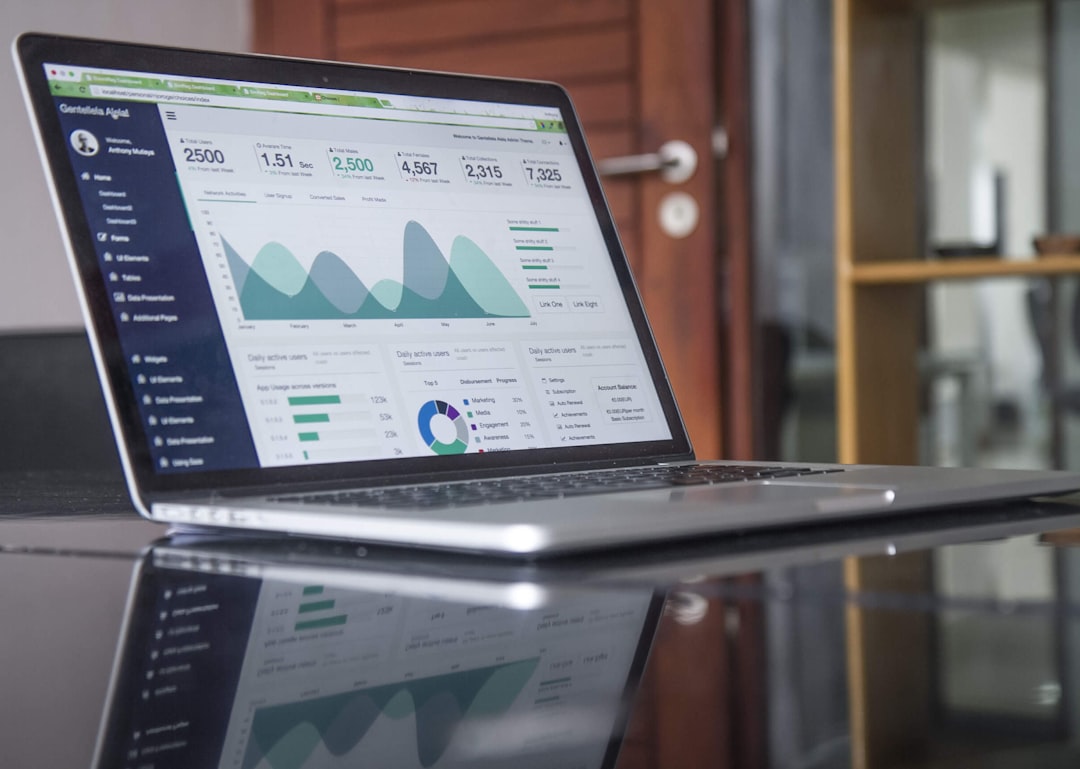
To ensure that our email marketing strategy is effective, we must regularly measure and analyze its performance. Key metrics such as open rates, click-through rates (CTR), conversion rates, and unsubscribe rates provide valuable insights into how well our campaigns are resonating with our audience. By tracking these metrics over time, we can identify trends and make data-driven decisions to optimize our future campaigns.
For instance, if we notice that certain subject lines consistently lead to higher open rates, we can replicate that success in future emails. Similarly, analyzing which types of content generate the most clicks can help us refine our messaging strategy. A/B testing is another valuable tool; by experimenting with different elements—such as subject lines or CTAs—we can determine what works best for our audience and continuously improve our email marketing efforts.
Best Practices and Tips for Maximizing Your Ecommerce Sales with Email Marketing
To maximize the effectiveness of our email marketing campaigns, there are several best practices we should keep in mind. First and foremost, maintaining a clean and updated email list is crucial. Regularly removing inactive subscribers helps improve deliverability rates and ensures that we are reaching engaged audiences who are more likely to convert.
Additionally, we should always prioritize mobile optimization in our emails since a significant portion of users access their emails via mobile devices. Ensuring that our emails are visually appealing and easy to navigate on smaller screens enhances the user experience and increases the likelihood of conversions. Finally, promoting free email templates and swipe copy can be an invaluable resource for fellow business owners looking to enhance their email marketing efforts.
By sharing these tools within our community, we not only position ourselves as thought leaders but also foster collaboration that benefits everyone involved. In conclusion, by understanding the importance of email marketing in ecommerce and implementing effective strategies tailored to our audience’s needs, we can convert more leads into sales while building lasting relationships with our customers. Through segmentation, personalization, automation, and continuous analysis of our efforts, we can create compelling campaigns that drive engagement and foster loyalty—ultimately leading to sustained growth for our ecommerce businesses.
FAQs
What is email marketing for ecommerce?
Email marketing for ecommerce is the use of email to promote products and services to potential and existing customers of an online store. It involves sending targeted and personalized emails to drive sales, build customer loyalty, and increase brand awareness.
Why is email marketing important for ecommerce?
Email marketing is important for ecommerce because it allows businesses to directly communicate with their customers, promote products, and drive sales. It is a cost-effective way to reach a large audience and build long-term relationships with customers.
What are the benefits of email marketing for ecommerce?
Some benefits of email marketing for ecommerce include increased sales, customer retention, brand awareness, targeted communication, and the ability to track and measure results. It also allows for personalized and segmented messaging to different customer groups.
What are some best practices for email marketing in ecommerce?
Best practices for email marketing in ecommerce include building a quality email list, personalizing emails, creating engaging content, using clear and compelling subject lines, optimizing for mobile devices, and testing different elements to improve performance.
What are some examples of effective email marketing campaigns for ecommerce?
Effective email marketing campaigns for ecommerce include welcome emails, abandoned cart emails, product recommendations, promotional offers, customer feedback requests, and personalized recommendations based on customer behavior and purchase history.


