



As business owners and founders, we often find ourselves navigating the complex landscape of customer acquisition and retention. One of the most effective frameworks we can utilize in this journey is the sales funnel. The sales funnel serves as a visual representation of the customer journey, illustrating how potential customers move from awareness to purchase.
By understanding this process, we can better tailor our marketing strategies to guide prospects through each stage, ultimately leading to increased conversions and sales. The concept of the sales funnel is not just a theoretical model; it is a practical tool that can help us streamline our sales processes. It allows us to identify where potential customers are in their decision-making journey and what actions we need to take to encourage them to move forward.
By breaking down the customer journey into manageable stages, we can create targeted marketing campaigns that resonate with our audience, address their pain points, and build trust. This structured approach not only enhances our understanding of customer behavior but also empowers us to make data-driven decisions that can significantly impact our bottom line.
Key Takeaways
- The sales funnel is a visual representation of the customer journey from awareness to purchase.
- The stages of the sales funnel include awareness, interest, decision, and action.
- To create an effective sales funnel, businesses should understand their target audience and create compelling content for each stage of the funnel.
- Understanding the buyer’s journey is crucial for tailoring marketing and sales strategies to meet the needs of potential customers.
- Lead generation is essential for filling the top of the sales funnel with potential customers.
The Stages of the Sales Funnel
Awareness: The First Impression
In the awareness stage, potential customers first become aware of our brand or product. This is where effective marketing strategies come into play, such as content marketing and social media outreach. Our goal here is to capture attention and generate interest in what we offer.
Interest and Consideration: Providing Value
As prospects move into the interest stage, they begin to seek more information about our products or services. This is an opportunity for us to provide valuable content that addresses their questions and concerns. We can utilize blog posts, webinars, and informative videos to engage our audience and position ourselves as industry experts. Once we have piqued their interest, we enter the consideration stage, where prospects evaluate their options.
Intent, Evaluation, and Purchase: Sealing the Deal
Here, we can leverage testimonials, case studies, and product comparisons to highlight the benefits of choosing our offerings over competitors. By understanding these stages, we can create targeted marketing strategies that resonate with our audience at every step of their journey. By doing so, we can guide them towards making a purchase, ultimately driving revenue and growth for our business.
How to Create an Effective Sales Funnel

Creating an effective sales funnel requires a strategic approach that aligns with our business goals and customer needs. First and foremost, we need to define our target audience clearly. Understanding who our ideal customers are will allow us to tailor our messaging and marketing efforts accordingly.
We should conduct thorough market research to identify their pain points, preferences, and behaviors. This foundational knowledge will guide us in crafting compelling content that speaks directly to their needs. Once we have a clear understanding of our audience, we can begin mapping out the customer journey within our sales funnel.
This involves outlining the specific touchpoints and interactions that prospects will have with our brand at each stage. We should consider what type of content or offers will be most effective in moving them from one stage to the next. For instance, in the awareness stage, we might focus on creating engaging blog posts or social media ads that capture attention.
As prospects progress to the consideration stage, we can offer free trials or consultations to encourage deeper engagement. By strategically designing each stage of the funnel, we can create a seamless experience that guides prospects toward making a purchase.
Understanding the Buyer’s Journey
| Stage | Description | Metrics |
|---|---|---|
| Awareness | Buyer realizes they have a problem or need | Website visits, social media engagement |
| Consideration | Buyer researches solutions to their problem | Time spent on site, whitepaper downloads |
| Decision | Buyer evaluates and decides on a solution | Product demos, free trials sign-ups |
To effectively create a sales funnel, we must also have a deep understanding of the buyer’s journey. This journey encompasses the entire process a potential customer goes through before making a purchase decision. It typically consists of three main phases: awareness, consideration, and decision.
In the awareness phase, buyers recognize a problem or need and begin searching for solutions. Our role here is to ensure that they discover our brand through targeted marketing efforts. In the consideration phase, buyers evaluate different options available to them.
They compare features, benefits, and pricing while seeking information that will help them make an informed decision. During this stage, we can provide valuable resources such as comparison guides or expert reviews that position our offerings favorably against competitors. Finally, in the decision phase, buyers are ready to make a purchase.
This is where we can implement strategies such as limited-time offers or personalized follow-ups to encourage them to take action. By understanding these phases of the buyer’s journey, we can align our sales funnel with their needs and motivations.
The Importance of Lead Generation in the Sales Funnel
Lead generation is a critical component of any successful sales funnel. Without a steady stream of leads entering the top of the funnel, we cannot expect to convert prospects into customers further down the line. As business owners, we must prioritize lead generation strategies that attract potential customers and encourage them to engage with our brand.
This can involve various tactics such as content marketing, social media advertising, email campaigns, and search engine optimization. One effective way to generate leads is by offering valuable resources in exchange for contact information. For instance, we can create eBooks, whitepapers, or webinars that provide insights relevant to our target audience’s interests.
By requiring users to submit their email addresses or other information to access these resources, we can build a database of qualified leads who have already expressed interest in what we offer. This not only helps us grow our email list but also allows us to nurture these leads through targeted follow-up campaigns.
Nurturing Leads through the Sales Funnel
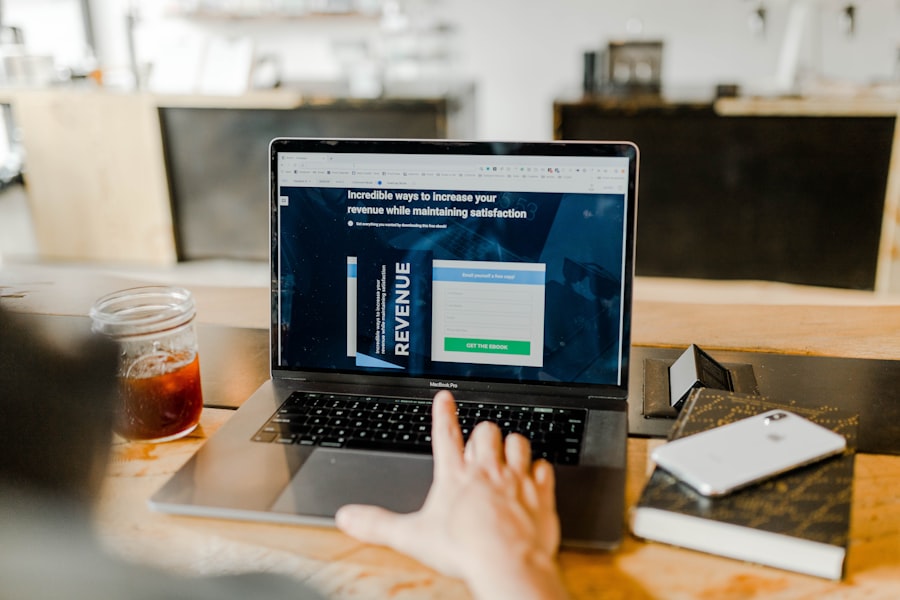
Building Relationships through Personalized Communication
Once we have generated leads, nurturing them through the sales funnel becomes essential for converting them into paying customers. Lead nurturing involves building relationships with prospects by providing relevant content and personalized communication at each stage of their journey.
Leveraging Email Marketing Automation
As business owners, we should leverage email marketing automation tools to send targeted messages based on where leads are in the funnel. For example, if a lead has downloaded an eBook on a specific topic related to our product or service, we can follow up with additional resources that delve deeper into that subject matter. This not only keeps our brand top-of-mind but also positions us as a trusted authority in our industry.
Segmenting Leads for Tailored Messaging
Additionally, we should segment our leads based on their behaviors and preferences so that we can tailor our messaging accordingly.
Measuring and Analyzing Sales Funnel Performance
To ensure that our sales funnel is functioning optimally, it is crucial for us to measure and analyze its performance regularly. Key performance indicators (KPIs) such as conversion rates at each stage of the funnel can provide valuable insights into how well our strategies are working. By tracking these metrics over time, we can identify areas for improvement and make data-driven decisions that enhance our overall sales process.
We should also utilize analytics tools to gain deeper insights into customer behavior within the funnel. For instance, analyzing website traffic sources can help us understand which marketing channels are driving the most leads. Additionally, monitoring engagement metrics such as email open rates and click-through rates can inform us about how well our content resonates with prospects.
By continuously measuring and analyzing our sales funnel performance, we can refine our strategies and optimize for better results.
Tips for Optimizing Your Sales Funnel
As business owners and founders looking to maximize our sales funnel’s effectiveness, there are several tips we can implement for optimization. First and foremost, we should focus on creating high-quality content that addresses our audience’s pain points and provides solutions. Engaging blog posts, informative videos, and compelling case studies can all contribute to building trust and credibility with potential customers.
Another important aspect of optimization is ensuring that our funnel is user-friendly and easy to navigate. We should regularly review our website’s design and functionality to eliminate any barriers that may hinder conversions. Additionally, implementing A/B testing for landing pages and calls-to-action can help us identify which elements resonate best with our audience.
Finally, we should prioritize ongoing communication with leads throughout their journey in the sales funnel. Personalized follow-ups based on their interactions with our brand can significantly enhance engagement and increase conversion rates. By implementing these tips for optimization, we can create a more effective sales funnel that drives sustainable growth for our business.
In conclusion, mastering the art of creating an effective sales funnel is essential for any business owner or founder looking to drive sales and foster long-term customer relationships. By understanding each stage of the funnel and aligning it with the buyer’s journey, we can create targeted marketing strategies that resonate with our audience’s needs. Through lead generation efforts and nurturing relationships with prospects, we can guide them toward making informed purchase decisions while continuously measuring performance for ongoing improvement.
With these insights in mind, we are well-equipped to optimize our sales funnels for success in today’s competitive marketplace.
If you’re interested in understanding the intricacies of a sales funnel and how it can be effectively implemented in your business strategy, you might find the article on “Creating an Atmosphere of Peace” relevant. Although it primarily focuses on creating a peaceful work environment, the principles discussed can be subtly integrated into how you manage customer interactions and build a nurturing funnel. A calm and trusting atmosphere can significantly enhance customer experience at each stage of the sales funnel. You can read more about these insights by visiting


