


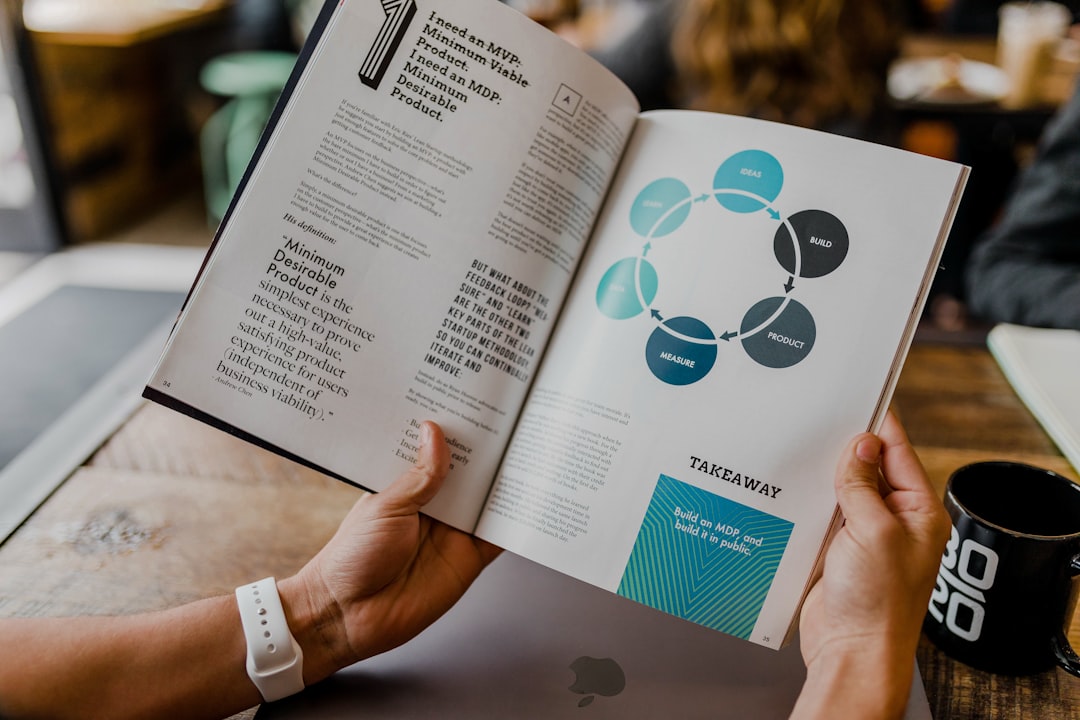
As business owners and founders, we often find ourselves navigating the complex landscape of customer acquisition. One of the most effective frameworks we can utilize is the marketing funnel. This concept illustrates the journey potential customers take from the moment they become aware of our brand to the point of making a purchase.
The funnel is typically divided into several stages: awareness, interest, consideration, intent, evaluation, and purchase. By understanding this progression, we can tailor our marketing strategies to guide prospects through each phase, ultimately leading to increased conversions. The marketing funnel not only helps us visualize the customer journey but also allows us to identify where potential bottlenecks may occur.
For instance, if we notice a significant drop-off between the interest and consideration stages, it may indicate that our messaging is not resonating with our audience. By analyzing these stages, we can make informed decisions about where to focus our efforts and resources. This understanding empowers us to create targeted campaigns that address specific pain points and needs at each stage of the funnel, enhancing our overall marketing effectiveness.
Key Takeaways
- The marketing funnel represents the customer journey from awareness to purchase, with stages including awareness, consideration, and decision.
- Identifying target audience and buyer personas is crucial for tailoring marketing efforts and content to specific customer needs and preferences.
- Creating compelling content for each stage of the funnel involves understanding customer pain points and providing valuable information and solutions.
- Leveraging social media and paid advertising can help generate leads by reaching a wider audience and targeting specific demographics.
- Implementing email marketing and lead nurturing strategies is essential for building relationships with leads and guiding them through the funnel towards conversion.
Identifying Target Audience and Buyer Personas
To effectively guide prospects through the marketing funnel, we must first identify our target audience and develop detailed buyer personas. This process involves researching and analyzing demographic data, psychographics, and behavioral patterns of our ideal customers. By understanding who they are, what they value, and their pain points, we can create more personalized marketing messages that resonate with them on a deeper level.
Creating buyer personas allows us to segment our audience into distinct groups based on shared characteristics. This segmentation enables us to tailor our content and marketing strategies to meet the specific needs of each persona. For example, if we identify a segment of our audience that values sustainability, we can emphasize eco-friendly practices in our messaging.
Creating Compelling Content for Each Stage of the Funnel

Content is a critical component of any successful sales funnel. As we move prospects through each stage, we need to provide them with valuable and relevant content that addresses their specific needs and concerns. At the awareness stage, for instance, we might create blog posts or infographics that educate our audience about industry trends or common challenges they face.
This content should be informative and engaging, capturing their interest and encouraging them to learn more about our brand. As prospects progress to the interest and consideration stages, we can offer more in-depth content such as case studies, whitepapers, or webinars. These resources should demonstrate how our products or services can solve their problems or enhance their lives.
By providing compelling content that speaks directly to their needs, we build trust and credibility with our audience. Ultimately, this positions us as a valuable resource in their decision-making process, increasing the likelihood of conversion.
Leveraging Social Media and Paid Advertising for Lead Generation
| Platform | Reach | Engagement | Conversion Rate |
|---|---|---|---|
| 2 billion | 5% | 10% | |
| 1 billion | 8% | 12% | |
| 700 million | 3% | 8% | |
| 330 million | 6% | 9% |
In today’s digital landscape, social media and paid advertising are powerful tools for generating leads and driving traffic to our sales funnels. By leveraging platforms like Facebook, Instagram, LinkedIn, and Twitter, we can reach a broader audience and engage with potential customers in real-time. Social media allows us to share valuable content, interact with followers, and build a community around our brand.
Paid advertising further amplifies our reach by targeting specific demographics and interests. We can create targeted ad campaigns that drive traffic to landing pages designed for lead generation. By using compelling visuals and persuasive copy, we can capture the attention of potential customers and encourage them to take action.
Additionally, retargeting ads can help us re-engage users who have previously interacted with our brand but did not convert. This strategic approach ensures that we remain top-of-mind as prospects move through the funnel.
Implementing Email Marketing and Lead Nurturing Strategies
Email marketing is an essential component of lead nurturing that allows us to maintain communication with prospects throughout their journey in the sales funnel. Once we capture leads through forms or landing pages, we can segment them based on their interests and behaviors. This segmentation enables us to send targeted email campaigns that provide relevant content tailored to each group.
Lead nurturing involves sending a series of automated emails designed to educate and engage prospects over time. For example, we might start with a welcome email that introduces our brand and offers valuable resources. As prospects continue to engage with our content, we can send follow-up emails that provide additional insights or exclusive offers.
By consistently delivering value through email marketing, we build relationships with our leads and guide them closer to making a purchase decision.
Analyzing and Optimizing Funnel Performance

To ensure the effectiveness of our sales funnels, it is crucial for us to analyze performance metrics regularly. By tracking key performance indicators (KPIs) such as conversion rates, click-through rates, and engagement levels at each stage of the funnel, we can identify areas for improvement. For instance, if we notice a high drop-off rate at a particular stage, it may indicate that our messaging or content is not resonating with our audience.
Optimization is an ongoing process that requires us to test different strategies and make data-driven decisions. A/B testing can be particularly useful in this regard; by experimenting with different headlines, calls-to-action, or content formats, we can determine what resonates best with our audience. Continuous analysis allows us to refine our approach over time, ensuring that our sales funnels remain effective in driving conversions.
Integrating Marketing Automation Tools for Efficiency
As business owners juggling multiple responsibilities, integrating marketing automation tools into our sales funnel strategy can significantly enhance efficiency. These tools allow us to automate repetitive tasks such as email campaigns, social media posting, and lead scoring.
Marketing automation also enables us to deliver personalized experiences at scale. For instance, we can set up automated workflows that trigger specific actions based on user behavior—such as sending a follow-up email after a lead downloads a resource or visits a particular page on our website. This level of personalization enhances engagement and helps nurture leads more effectively as they move through the funnel.
Measuring Return on Investment and Adjusting Strategies for Maximum Lead Generation
Finally, measuring return on investment (ROI) is essential for understanding the effectiveness of our sales funnels and overall marketing efforts. By analyzing the costs associated with lead generation activities against the revenue generated from conversions, we can assess which strategies are delivering the best results. This insight allows us to allocate resources more effectively and focus on high-performing channels.
Adjusting our strategies based on ROI analysis is crucial for maximizing lead generation efforts. If certain tactics are underperforming or yielding low returns, it may be time to pivot or explore new approaches. For example, if paid advertising is not generating sufficient leads compared to organic social media efforts, we might consider reallocating budget towards enhancing organic reach or investing in content marketing initiatives.
By continuously measuring ROI and adjusting our strategies accordingly, we position ourselves for sustained growth and success in an ever-evolving marketplace. In conclusion, creating effective sales funnels requires a comprehensive understanding of the customer journey combined with targeted strategies tailored to our audience’s needs. By identifying target personas, crafting compelling content, leveraging social media and email marketing, analyzing performance metrics, integrating automation tools, and measuring ROI, we can optimize our sales funnels for maximum lead generation success.
As business owners and founders committed to growth, embracing these practices will empower us to navigate the complexities of customer acquisition with confidence and clarity.
If you’re interested in enhancing your marketing strategies, particularly in the area of lead generation within the marketing funnel, you might find valuable insights in a related article on the 2xmybiz website. The article discusses various strategies for optimizing your marketing funnel to improve lead generation, which is crucial for any business looking to increase conversions and drive sales. You can read more about these effective strategies by visiting


