


Maps have long served as essential tools for navigation, communication, and understanding our world. They provide us with a visual representation of geographical spaces, allowing us to comprehend distances, terrains, and the relationships between various locations. As business owners, we recognize that maps are not merely tools for travelers; they are vital for strategic planning and decision-making.
By utilizing maps, we can visualize market trends, customer demographics, and logistical routes, which ultimately aids in optimizing our operations. The importance of maps extends beyond mere navigation; they are instrumental in shaping our business strategies and enhancing our understanding of the environments in which we operate. Moreover, maps foster a sense of connection and context.
They allow us to see our businesses in relation to the broader landscape, helping us identify opportunities and challenges that may not be immediately apparent. For instance, when we analyze a map of our local area, we can pinpoint where our competitors are located, assess the accessibility of our services, and understand the demographics of potential customers. This spatial awareness is crucial for making informed decisions about marketing strategies, product placements, and even expansion plans.
In essence, maps empower us to navigate the complexities of the business world with greater confidence and clarity.
Key Takeaways
- Maps are important tools for understanding and navigating the world around us.
- Different types of maps serve various purposes, from showing geographical features to providing directions.
- GPS technology has revolutionized navigation, making it easier to find and track locations.
- Digital mapping allows for the creation and sharing of personalized journeys and routes.
- Historical maps offer valuable insights into the past and help us understand how landscapes have changed over time.
Types of Maps and Their Uses
Understanding the Different Types of Maps
There are various types of maps, each serving distinct purposes that cater to different needs. For instance, topographic maps provide detailed information about terrain features such as elevation, landforms, and vegetation. These maps are particularly useful for businesses involved in outdoor activities or those that require an understanding of geographical features for planning purposes.
Practical Applications of Maps in Business
By analyzing topographic maps, we can determine suitable locations for outdoor events or assess the feasibility of construction projects in specific areas. Similarly, thematic maps focus on specific themes or subjects, such as population density or economic activity. These maps allow us to visualize data in a way that highlights trends and patterns relevant to our business objectives.
The Rise of Digital Maps and Their Benefits
In addition to these traditional types of maps, we also encounter digital maps that have revolutionized how we access and interpret geographical information. Online mapping platforms provide us with real-time data and customizable features that enhance our ability to analyze locations effectively. For example, we can use heat maps to visualize customer distribution or sales performance across different regions.
Informing Business Strategies with Maps
This capability enables us to make data-driven decisions that align with our business goals. By understanding the various types of maps available to us, we can leverage their unique features to gain insights that inform our strategies and improve our overall performance.
Navigating with GPS Technology

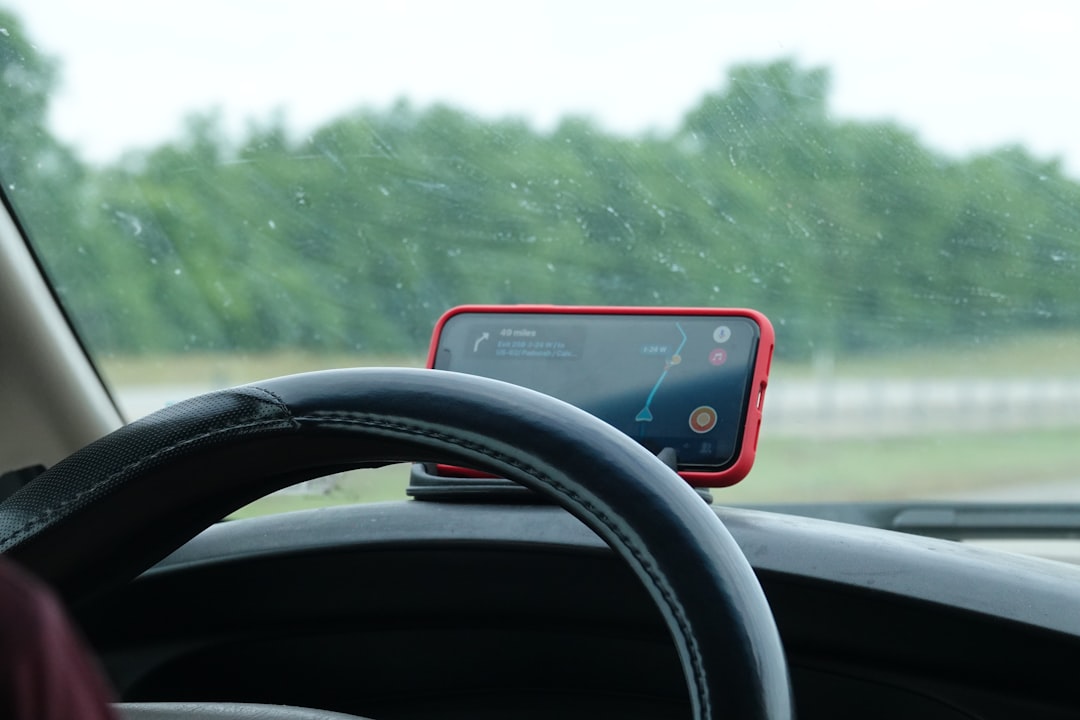
The advent of GPS technology has transformed the way we navigate and interact with maps. Global Positioning System (GPS) devices provide us with precise location data, allowing us to determine our position in real-time and receive turn-by-turn directions to our desired destinations. As business owners, we can harness this technology to streamline our operations and enhance customer experiences.
For instance, delivery services can utilize GPS tracking to optimize routes, reduce fuel costs, and improve delivery times. This not only increases efficiency but also enhances customer satisfaction by ensuring timely service. Furthermore, GPS technology enables us to gather valuable data about our operations.
By analyzing location data from GPS devices, we can identify patterns in customer behavior, assess traffic conditions, and optimize our supply chain logistics. This information is invaluable for making informed decisions about resource allocation and operational improvements. As we navigate the complexities of running a business, GPS technology serves as a powerful ally that enhances our ability to respond to changing circumstances and seize opportunities as they arise.
Mapping Journeys in the Digital Age
| Metrics | Data |
|---|---|
| Number of Digital Journeys | 1000 |
| Customer Satisfaction | 85% |
| Conversion Rate | 10% |
| Engagement Rate | 70% |
In today’s digital age, mapping journeys has taken on new dimensions with the integration of technology and data analytics. We now have access to sophisticated mapping tools that allow us to create detailed visualizations of our business journeys across various areas. For instance, customer journey mapping enables us to visualize the entire experience a customer has with our brand—from initial awareness to post-purchase interactions.
By mapping out these journeys, we can identify pain points and opportunities for improvement, ultimately enhancing customer satisfaction and loyalty. Additionally, digital mapping tools enable us to collaborate more effectively within our teams. We can share interactive maps that highlight key performance indicators, sales territories, or Marketing campaigns.
This collaborative approach fosters transparency and alignment among team members as we work towards common goals. By leveraging technology to map our journeys, we can make data-driven decisions that propel our businesses forward while ensuring that every team member is on the same page.
Historical Maps and Their Significance
Historical maps offer a fascinating glimpse into the past and provide context for understanding how geographical perceptions have evolved over time. As business owners, we can draw valuable lessons from historical maps that inform our current strategies. For example, examining old trade routes can reveal insights into how commerce has developed in specific regions and how cultural exchanges have shaped local economies.
By understanding these historical contexts, we can better appreciate the dynamics at play in today’s markets. Moreover, historical maps serve as reminders of the importance of adaptability in business. They illustrate how societies have navigated changes in geography, politics, and technology throughout history.
As we face an ever-evolving business landscape characterized by rapid technological advancements and shifting consumer preferences, we can learn from the resilience demonstrated by those who came before us. By studying historical maps, we gain perspective on the challenges faced by previous generations and the innovative solutions they devised—insights that can inspire us as we navigate our own journeys.
Using Maps for Travel and Exploration

Maps have always been integral to travel and exploration, guiding adventurers through uncharted territories and helping them discover new places. As business owners involved in the travel industry or related sectors, we understand the significance of providing accurate and engaging maps for our customers. Whether it’s a travel agency offering curated itineraries or a hotel providing local attractions information, well-designed maps enhance the overall travel experience by empowering customers to explore their surroundings confidently.
In addition to traditional paper maps, digital mapping applications have revolutionized how travelers navigate new destinations. These apps offer real-time updates on traffic conditions, public transportation options, and points of interest—all at our fingertips. As business owners in the travel sector, we can leverage these technologies to create personalized experiences for our customers.
By integrating mapping solutions into our services, we not only enhance customer satisfaction but also position ourselves as forward-thinking businesses that prioritize convenience and accessibility.
Mapping Journeys in Literature and Art
The concept of mapping journeys extends beyond physical navigation; it also permeates literature and art as a means of exploring human experiences and emotions. Many authors use maps as metaphors for character development or plot progression—illustrating how characters navigate their internal landscapes while embarking on physical journeys. As business owners engaged in creative industries or storytelling endeavors, we can draw inspiration from these literary techniques to craft compelling narratives around our brands.
Similarly, artists often incorporate mapping elements into their work to convey themes of exploration and discovery. By visually representing journeys through art, they invite viewers to reflect on their own experiences and interpretations of space. As we develop marketing campaigns or brand stories, we can harness these artistic approaches to create engaging content that resonates with our audience on a deeper level.
By mapping journeys in literature and art, we enrich our understanding of human experiences—insights that can inform how we connect with customers through storytelling.
The Future of Mapping and Navigation
As we look ahead to the future of mapping and navigation, it is clear that technological advancements will continue to shape how we interact with geographical information. Innovations such as augmented reality (AR) and virtual reality (VR) are poised to revolutionize the way we visualize spaces and navigate environments. For instance, AR applications could overlay digital information onto physical landscapes—allowing us to see real-time data about locations while exploring them in person.
As business owners, embracing these technologies will enable us to create immersive experiences for our customers that blend the physical and digital worlds seamlessly. Moreover, the integration of artificial intelligence (AI) into mapping technologies holds immense potential for enhancing decision-making processes across various business areas. AI algorithms can analyze vast amounts of data to identify trends and predict future behaviors—empowering us to make proactive decisions based on real-time insights.
As we navigate an increasingly complex business landscape characterized by rapid change and uncertainty, leveraging these emerging technologies will be crucial for staying ahead of the competition. The future of mapping is not just about navigating physical spaces; it is about harnessing data-driven insights that inform every aspect of our businesses—ultimately leading us toward greater success in an ever-evolving world.
If you’re interested in exploring the concept of mapping journeys and how it can be applied to personal development, you might find the article “Creating an Atmosphere of Peace” particularly enlightening. This piece discusses the importance of cultivating a peaceful environment, which can be crucial when mapping out personal or professional journeys. To read more about how to create such an atmosphere and its benefits, you can visit the article here.
FAQs
What is mapping journeys?
Mapping journeys refers to the process of creating visual representations of travel routes, whether it be for personal trips, transportation systems, or historical expeditions.
Why is mapping journeys important?
Mapping journeys is important as it helps individuals and organizations to plan and navigate their travels more effectively. It also provides valuable insights into patterns of movement and can be used for historical and geographical analysis.
What are the different types of mapping journeys?
There are various types of mapping journeys, including personal travel maps, transportation system maps, historical expedition maps, and digital mapping tools such as GPS and online mapping platforms.
How is mapping journeys done?
Mapping journeys can be done using traditional methods such as paper maps and compasses, as well as modern digital tools such as GPS devices and online mapping software.
What are the benefits of mapping journeys?
The benefits of mapping journeys include improved navigation, better planning, historical documentation, and the ability to analyze and understand patterns of movement and travel.


