



In the past, the consumer journey was a linear process that followed a predictable path. We would start with awareness, where we first learned about a product or service through advertisements, word of mouth, or in-store displays. This initial stage was crucial, as it set the stage for our interest and consideration.
Once we became aware of a product, we would move into the consideration phase, where we would gather information, compare options, and evaluate the benefits and drawbacks of each choice. This often involved visiting multiple stores, speaking with sales representatives, and seeking advice from friends and family. The traditional consumer journey was characterized by a series of steps that required time and effort, but it also provided us with a sense of control over our purchasing decisions.
As we progressed through the journey, we would eventually reach the decision-making stage. This was the moment when we would commit to a purchase, often influenced by factors such as price, availability, and perceived value. After making a purchase, we would enter the post-purchase phase, where our experience with the product would either reinforce our decision or lead to buyer’s remorse.
This traditional model emphasized the importance of customer satisfaction and loyalty, as businesses relied on repeat customers to sustain their operations. However, while this journey was straightforward, it lacked the dynamic nature of today’s consumer experiences, which are shaped by a multitude of factors that extend beyond mere transactions.
Key Takeaways
- The traditional consumer journey involved a linear path from awareness to purchase, often influenced by advertising and in-store experiences.
- Technology has revolutionized the consumer journey, providing access to information, reviews, and recommendations at the touch of a button.
- Online shopping and e-commerce have transformed the way consumers make purchases, offering convenience, variety, and competitive pricing.
- Social media plays a significant role in shaping the consumer journey, with influencers and user-generated content impacting purchasing decisions.
- Personalization and customization are increasingly important to consumers, who seek tailored experiences and products that reflect their individual preferences.
The Impact of Technology on the Consumer Journey
As technology has evolved, so too has the consumer journey. We have witnessed a significant shift from traditional methods of shopping to more digital-centric approaches. The advent of the internet has transformed how we research products and services.
We no longer need to rely solely on in-store visits or recommendations from friends; instead, we can access a wealth of information at our fingertips. Online reviews, product comparisons, and detailed specifications are just a click away, allowing us to make informed decisions without ever stepping foot in a store. This shift has not only streamlined our decision-making process but has also empowered us as consumers, giving us greater control over our purchasing journeys.
Moreover, technology has introduced new touchpoints along the consumer journey that were previously unimaginable. We can now engage with brands through various channels such as websites, mobile apps, social media platforms, and email marketing. Each of these touchpoints offers unique opportunities for interaction and engagement.
For instance, we might discover a new product on Instagram, read reviews on a dedicated website, and ultimately make a purchase through an app. This interconnectedness has blurred the lines between different stages of the consumer journey, creating a more fluid experience that allows us to move seamlessly between awareness, consideration, and decision-making.
The Rise of Online Shopping and E-commerce
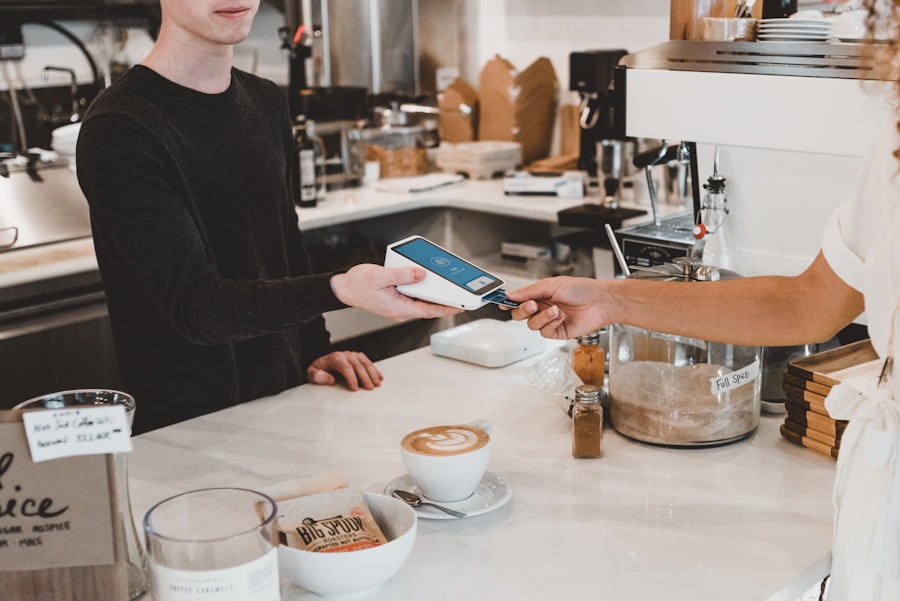
The rise of online shopping and e-commerce has fundamentally altered how we approach the consumer journey. Gone are the days when we had to physically visit stores to browse products; now we can explore vast online marketplaces from the comfort of our homes. This convenience has not only expanded our options but has also changed our expectations regarding speed and accessibility.
We can compare prices across multiple retailers in seconds and have products delivered to our doorsteps within days or even hours. This shift has made shopping more efficient and has encouraged us to explore new brands and products that we may not have encountered in traditional retail settings. However, while online shopping offers unparalleled convenience, it also presents challenges for businesses.
As owners, we must navigate an increasingly competitive landscape where consumers have countless options at their fingertips. To stand out in this crowded marketplace, we need to focus on creating exceptional online experiences that resonate with our target audience. This includes optimizing our websites for user experience, ensuring fast loading times, providing detailed product descriptions and images, and offering seamless checkout processes.
By prioritizing these elements, we can enhance the online shopping experience for our customers and foster loyalty in an environment where choices are abundant.
The Role of Social Media in Shaping the Consumer Journey
| Stage of Consumer Journey | Impact of Social Media |
|---|---|
| Awareness | Increases brand visibility and reach |
| Consideration | Provides product information and reviews |
| Decision | Influences purchase decisions through targeted ads |
| Post-Purchase | Facilitates customer feedback and loyalty programs |
Social media has emerged as a powerful force in shaping the consumer journey. Platforms like Facebook, Instagram, Twitter, and TikTok have become essential tools for brand discovery and engagement. As business owners, we recognize that social media is not just a Marketing channel; it is an integral part of how consumers interact with brands throughout their journeys.
We can leverage these platforms to create compelling content that captures attention and drives interest in our products or services. Whether through eye-catching visuals, engaging stories, or interactive polls, social media allows us to connect with consumers on a personal level. Furthermore, social media serves as a platform for peer influence and recommendations.
We often turn to our social networks for advice on purchases or seek inspiration from influencers who align with our values and preferences. This shift towards social validation has made it essential for businesses to cultivate a strong online presence and engage authentically with their audience. By fostering community and encouraging user-generated content, we can enhance brand loyalty and create advocates who will share their positive experiences with others.
In this way, social media not only shapes our awareness but also influences our consideration and decision-making processes.
The Importance of Personalization and Customization
In today’s competitive landscape, personalization and customization have become paramount in enhancing the consumer journey. As business owners, we understand that consumers are no longer satisfied with one-size-fits-all solutions; they crave tailored experiences that resonate with their individual preferences and needs. By leveraging data analytics and customer insights, we can create personalized marketing campaigns that speak directly to our audience’s interests.
This could involve recommending products based on past purchases or sending targeted promotions that align with their preferences. Moreover, customization extends beyond marketing efforts; it encompasses the entire customer experience. We can offer options for consumers to personalize products or services according to their specifications.
Whether it’s allowing customers to choose colors or features for a product or providing personalized recommendations based on their browsing history, these efforts create a sense of ownership and connection with our brand. By prioritizing personalization and customization in our business strategies, we can foster deeper relationships with our customers and enhance their overall satisfaction throughout their journeys.
The Influence of Reviews and Recommendations

In an age where information is readily available at our fingertips, reviews and recommendations play a pivotal role in shaping our consumer journeys. As business owners, we recognize that potential customers often rely on the experiences of others before making purchasing decisions. Online reviews on platforms like Google, Yelp, or Amazon can significantly influence our reputation and credibility in the eyes of consumers.
Positive reviews can serve as powerful endorsements that encourage new customers to choose our products or services over competitors. Conversely, negative reviews can have detrimental effects on our business. We must actively monitor feedback and address any concerns raised by customers promptly.
Engaging with reviewers—whether they leave positive or negative feedback—demonstrates our commitment to customer satisfaction and can help mitigate potential damage to our reputation. Additionally, encouraging satisfied customers to leave reviews can create a cycle of positive reinforcement that bolsters our brand image. By understanding the influence of reviews and recommendations on the consumer journey, we can implement strategies that enhance our credibility and foster trust among potential buyers.
The Shift towards Mobile and Omnichannel Experiences
The shift towards mobile devices has revolutionized how we engage with brands throughout the consumer journey. As business owners, we must recognize that consumers increasingly rely on their smartphones for shopping, research, and communication. Mobile optimization is no longer optional; it is essential for providing seamless experiences that cater to our audience’s preferences.
From responsive website designs to mobile apps that facilitate easy browsing and purchasing, investing in mobile-friendly solutions is crucial for staying competitive in today’s market. Moreover, the concept of omnichannel experiences has gained prominence as consumers expect consistency across all touchpoints—whether they are shopping online via their mobile devices or visiting physical stores. We must ensure that our branding, messaging, and customer service remain cohesive across channels to create a unified experience for consumers.
By integrating online and offline interactions—such as offering click-and-collect options or providing personalized recommendations based on previous purchases—we can enhance customer satisfaction and loyalty throughout their journeys.
The Future of the Consumer Journey
Looking ahead, the future of the consumer journey promises to be even more dynamic and multifaceted than ever before. As technology continues to advance at an unprecedented pace, we anticipate further innovations that will reshape how consumers interact with brands. Artificial intelligence (AI) is poised to play a significant role in personalizing experiences by analyzing vast amounts of data to predict consumer behavior accurately.
This could lead to hyper-targeted marketing campaigns that resonate deeply with individual preferences. Additionally, emerging technologies such as augmented reality (AR) and virtual reality (VR) have the potential to transform how we experience products before making purchases. Imagine being able to virtually try on clothing or visualize how furniture would look in our homes—all from the comfort of our devices.
As business owners, embracing these technologies will be essential for staying relevant in an ever-evolving landscape. In conclusion, as we navigate this rapidly changing environment together as business owners and consumers alike, it is crucial to remain adaptable and responsive to emerging trends shaping the consumer journey. By understanding the traditional pathways while embracing technological advancements—such as e-commerce growth or social media influence—we can create meaningful connections with our audience that foster loyalty and drive success in an increasingly competitive marketplace.
If you’re interested in enhancing your understanding of the consumer journey and how to create a conducive environment for business growth, you might find the article “Creating an Atmosphere of Peace” particularly insightful. This piece discusses the importance of cultivating a peaceful and inviting atmosphere that can significantly influence a customer’s experience and interaction with your business. You can read more about these strategies and their impact on consumer behavior by visiting Creating an Atmosphere of Peace. This article provides valuable insights that can help you improve your consumer journey and business outcomes.
FAQs
What is a consumer journey?
A consumer journey refers to the process that a consumer goes through when making a purchasing decision. It includes all the touchpoints and interactions a consumer has with a brand or product, from initial awareness to the final purchase and beyond.
What are the stages of a consumer journey?
The stages of a consumer journey typically include awareness, consideration, purchase, and post-purchase. During the awareness stage, consumers become aware of a need or desire for a product or service. In the consideration stage, they research and evaluate different options. The purchase stage involves the actual buying decision, and the post-purchase stage includes the consumer’s experience with the product or service.
Why is understanding the consumer journey important for businesses?
Understanding the consumer journey is important for businesses because it allows them to tailor their marketing and sales efforts to meet the needs and preferences of their target audience at each stage of the journey. This can lead to more effective and personalized communication, increased customer satisfaction, and ultimately, higher sales and customer loyalty.
How can businesses map the consumer journey?
Businesses can map the consumer journey by conducting research, analyzing customer data, and creating customer personas to understand the different touchpoints and interactions that consumers have with their brand. This can involve using tools such as customer journey mapping software, surveys, and customer feedback to gain insights into the consumer’s experience.
What are some common touchpoints in a consumer journey?
Common touchpoints in a consumer journey include social media, search engines, websites, email marketing, customer reviews, in-store experiences, customer service interactions, and post-purchase follow-ups. These touchpoints can vary depending on the industry and the specific consumer’s preferences and behaviors.


