



As business owners, we recognize that understanding the customer journey is paramount to our success. The customer journey encompasses every interaction a consumer has with our brand, from the initial awareness to post-purchase experiences. By mapping out this journey, we can identify key touchpoints where we can engage with our customers effectively.
This process involves delving into the various stages of the journey, including awareness, consideration, decision-making, and retention. Each stage presents unique opportunities for us to connect with our audience and influence their purchasing decisions. By gaining insights into our customers’ motivations and behaviors at each stage, we can tailor our marketing strategies to resonate with their needs and preferences.
Moreover, we must consider the emotional aspects of the customer journey. Customers often experience a range of feelings as they navigate through their interactions with our brand. By understanding these emotions, we can create more meaningful connections and foster loyalty.
For instance, during the consideration phase, customers may feel overwhelmed by choices. By providing clear information and guidance, we can alleviate their concerns and position ourselves as trusted advisors. Additionally, we should pay attention to the post-purchase phase, where customers may experience buyer’s remorse or satisfaction.
By proactively engaging with them through follow-up communications and support, we can enhance their overall experience and encourage repeat business.
Key Takeaways
- Understanding the customer journey is crucial for creating a successful user experience.
- Building a seamless user experience involves designing intuitive interfaces and easy navigation.
- Leveraging data and analytics helps in understanding customer behavior and preferences.
- Personalizing the customer experience can lead to higher customer satisfaction and loyalty.
- Optimizing the checkout process is essential for reducing cart abandonment and increasing conversions.
Building a Seamless User Experience
In our quest to build a successful business, we must prioritize creating a seamless user experience across all platforms. A seamless experience means that customers can transition effortlessly between different touchpoints, whether they are browsing our website, engaging with us on social media, or visiting our physical store. To achieve this, we need to ensure that our branding, messaging, and design elements are consistent across all channels.
This consistency not only reinforces our brand identity but also instills confidence in our customers as they interact with us. Furthermore, we should invest in user-friendly design and functionality. This includes optimizing our website for mobile devices, ensuring fast loading times, and simplifying navigation.
When customers encounter obstacles or frustrations while interacting with our brand, they are more likely to abandon their journey altogether. By prioritizing usability and accessibility, we can create an environment where customers feel comfortable exploring our offerings. Additionally, we should gather feedback from users to identify pain points and areas for improvement.
By actively listening to our customers and making necessary adjustments, we can continuously enhance their experience and foster long-term loyalty.
Leveraging Data and Analytics

As business owners, we have access to a wealth of data that can inform our decision-making processes. Leveraging data and analytics allows us to gain valuable insights into customer behavior, preferences, and trends. By analyzing this data, we can identify patterns that help us understand what drives customer engagement and conversion.
For instance, tracking website traffic and user interactions can reveal which products or services are most popular among our audience. This information enables us to optimize our offerings and Marketing strategies accordingly. Moreover, data analytics empowers us to segment our audience effectively.
By categorizing customers based on demographics, purchasing behavior, or engagement levels, we can tailor our messaging and promotions to resonate with specific groups. This targeted approach not only increases the likelihood of conversion but also enhances the overall customer experience. Additionally, we should continuously monitor key performance indicators (KPIs) to assess the effectiveness of our strategies.
By regularly reviewing our data and making data-driven decisions, we can adapt to changing market conditions and stay ahead of the competition.
Personalizing the Customer Experience
| Metrics | 2019 | 2020 | 2021 |
|---|---|---|---|
| Customer Satisfaction | 85% | 87% | 89% |
| Customer Retention Rate | 75% | 78% | 80% |
| Personalized Offers Redemption | 20% | 22% | 25% |
In today’s competitive landscape, personalization has become a crucial element of the customer experience. As business owners, we must strive to create tailored experiences that resonate with individual customers. Personalization goes beyond simply addressing customers by their names; it involves understanding their preferences and behaviors to deliver relevant content and recommendations.
By utilizing data collected from previous interactions, we can create personalized marketing campaigns that speak directly to our audience’s interests. Additionally, we should consider implementing personalized product recommendations on our website or through email marketing. When customers receive suggestions based on their past purchases or browsing history, they are more likely to engage with our offerings.
This level of personalization not only enhances the shopping experience but also fosters a sense of connection between the customer and our brand. Furthermore, we should encourage feedback from customers regarding their preferences and experiences. By actively seeking input and adapting our strategies accordingly, we can create a more personalized journey that keeps customers coming back for more.
Optimizing the Checkout Process
The checkout process is a critical stage in the customer journey that can significantly impact conversion rates. As business owners, we must prioritize optimizing this process to minimize cart abandonment and enhance customer satisfaction. A streamlined checkout experience involves reducing the number of steps required to complete a purchase while ensuring that customers feel secure throughout the transaction.
We should offer multiple payment options to accommodate different preferences and provide clear information about shipping costs and delivery times. Moreover, we should consider implementing features such as guest checkout options to simplify the process for first-time buyers. Requiring customers to create an account before completing their purchase can deter potential buyers who may be hesitant to share personal information.
By allowing them to check out as guests while still offering the option to create an account afterward, we can strike a balance between convenience and customer retention. Additionally, incorporating progress indicators during the checkout process can help manage customer expectations and reduce anxiety about completing their purchase.
Providing Exceptional Customer Service
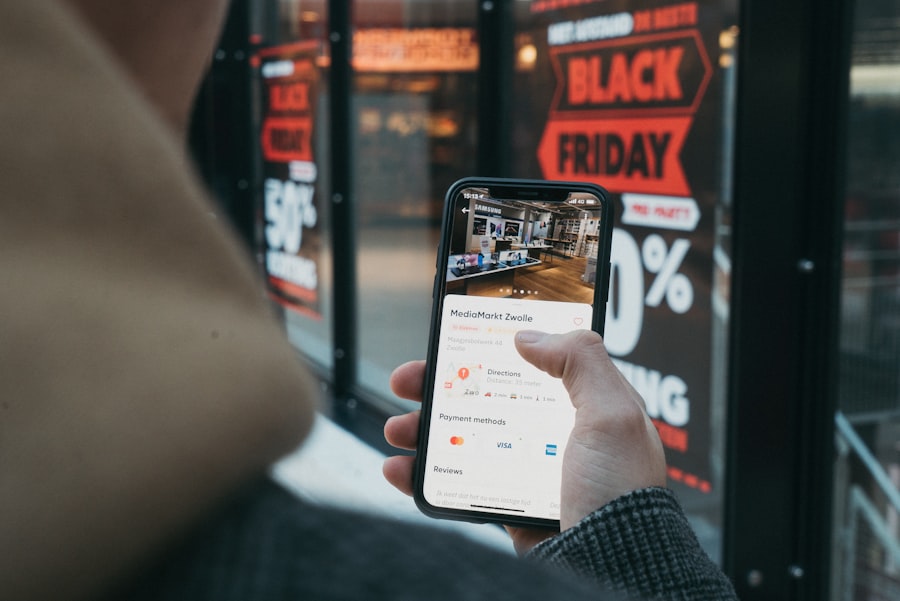
Building a Culture of Service Excellence
Exceptional customer service is a cornerstone of any successful business model. As business owners, we must prioritize creating a culture of service excellence within our organizations. This begins with training our staff to be knowledgeable about our products and services while also equipping them with strong communication skills.
Providing Valued Support to Customers
When customers reach out for assistance or have inquiries about their purchases, they should feel valued and supported throughout their interactions with us. We should strive to make every customer feel appreciated and understood, addressing their concerns in a timely and professional manner.
Embracing Multiple Channels for Customer Support
We should explore various channels for providing customer support. While traditional methods such as phone support remain important, many customers now prefer digital communication options like live chat or social media messaging. By offering multiple avenues for support, we can cater to diverse customer preferences and ensure that assistance is readily available when needed.
Continuous Improvement through Customer Feedback
We should actively seek feedback from customers regarding their service experiences. By listening to their concerns and making necessary improvements based on their input, we can continuously enhance our service offerings and build lasting relationships with our clientele.
Retaining Customers through Loyalty Programs
Customer retention is essential for sustainable business growth, and loyalty programs serve as an effective strategy for achieving this goal. As business owners, we should design loyalty programs that reward repeat customers for their continued support. These programs can take various forms, such as points-based systems where customers earn rewards for every purchase or tiered memberships that offer exclusive benefits based on spending levels.
By incentivizing loyalty, we encourage customers to choose us over competitors. Moreover, effective communication is key to maximizing the impact of loyalty programs. We should regularly update customers about their rewards status and highlight exclusive offers available only to loyalty members.
This not only keeps them engaged but also reinforces their connection to our brand. Additionally, we should consider incorporating personalized elements into our loyalty programs by tailoring rewards based on individual preferences or past purchases. By making customers feel valued and appreciated through personalized rewards, we can foster long-term loyalty that translates into increased sales and brand advocacy.
Adapting to Changing Consumer Trends
In an ever-evolving marketplace, adaptability is crucial for business success. As business owners, we must stay attuned to changing consumer trends and preferences to remain relevant in the eyes of our audience. This requires continuous market research and analysis to identify emerging trends that may impact our industry or target demographic.
By being proactive in understanding shifts in consumer behavior—whether driven by technological advancements or societal changes—we can adjust our strategies accordingly. Moreover, embracing innovation is essential for staying ahead of the competition. We should explore new technologies or platforms that enhance the customer experience or streamline operations within our business model.
For instance, incorporating artificial intelligence into customer service or utilizing augmented reality for product demonstrations can set us apart from competitors who may be slower to adapt. By fostering a culture of innovation within our organization and encouraging team members to share ideas for improvement, we position ourselves as forward-thinking leaders in our industry who are committed to meeting the evolving needs of our customers. In conclusion, as business owners navigating the complexities of today’s marketplace, it is imperative that we understand the customer journey comprehensively while building seamless user experiences across all touchpoints.
By leveraging data analytics for informed decision-making and personalizing interactions with customers at every stage of their journey—from optimizing checkout processes to providing exceptional service—we can foster loyalty through well-designed programs while remaining adaptable in response to changing consumer trends. Ultimately, these strategies will not only enhance customer satisfaction but also drive sustainable growth for our businesses in an increasingly competitive landscape.
If you’re interested in enhancing your understanding of the ecommerce customer journey, you might find valuable insights in an article I came across recently. It discusses various strategies to optimize the customer experience from initial contact through to post-purchase follow-up. You can read more about these effective strategies and how they can be applied to your business by visiting this link. This resource is particularly useful for those looking to refine their ecommerce approach and improve overall customer satisfaction.
FAQs
What is an ecommerce customer journey?
An ecommerce customer journey refers to the process that a customer goes through when interacting with an online store, from the initial awareness of a product or service to the final purchase and beyond.
What are the stages of an ecommerce customer journey?
The stages of an ecommerce customer journey typically include awareness, consideration, decision, purchase, and post-purchase. These stages may vary slightly depending on the specific customer and product.
How does the awareness stage of the ecommerce customer journey work?
During the awareness stage, customers become aware of a product or service through various channels such as social media, search engines, or word of mouth. This is when they first encounter the brand or product.
What happens during the consideration stage of the ecommerce customer journey?
In the consideration stage, customers research and compare different products or services. They may read reviews, compare prices, and evaluate the features and benefits of the options available to them.
What is the decision stage of the ecommerce customer journey?
The decision stage is when customers are ready to make a purchase. They may have narrowed down their options and are now deciding which specific product or service to buy.
How does the purchase stage of the ecommerce customer journey work?
During the purchase stage, customers complete the transaction and make the actual purchase. This may involve adding items to a cart, entering payment and shipping information, and confirming the order.
What is the post-purchase stage of the ecommerce customer journey?
The post-purchase stage involves the customer’s experience after making a purchase. This may include receiving the product, using it, and providing feedback or reviews. It also includes any follow-up communication from the brand.
Why is understanding the ecommerce customer journey important for businesses?
Understanding the ecommerce customer journey is important for businesses because it helps them identify opportunities to improve the customer experience, optimize their marketing and sales strategies, and build long-term customer relationships.


