


As business owners, we recognize that understanding the customer journey is fundamental to our success. The customer journey encompasses every interaction a customer has with our brand, from the initial awareness stage to post-purchase experiences. By mapping out this journey, we can identify the various stages our customers go through and the emotions they experience at each point.
This understanding allows us to tailor our offerings and communications to meet their needs effectively. We must consider not only the direct interactions but also the indirect influences that shape customer perceptions and decisions. By doing so, we can create a more holistic view of our customers’ experiences, which ultimately leads to stronger relationships and increased loyalty.
Moreover, as we delve deeper into the customer journey, we realize that it is not a linear process. Customers often move back and forth between stages, influenced by various factors such as marketing campaigns, peer recommendations, or even their own research. This non-linear nature of the journey requires us to be agile and responsive in our approach.
We must continuously gather feedback and insights to adapt our strategies accordingly. By embracing this dynamic perspective, we can better anticipate customer needs and preferences, ensuring that we remain relevant in an ever-evolving marketplace. Understanding the customer journey is not just about mapping out a path; it is about fostering a deeper connection with our audience and creating meaningful experiences that resonate with them.
Key Takeaways
- Understanding the customer journey is crucial for businesses to effectively engage and retain customers.
- Leveraging data for customer insights helps businesses understand their customers’ needs and preferences.
- Identifying touchpoints and interactions allows businesses to map out the customer journey and improve their overall experience.
- Analyzing customer behavior and preferences provides valuable insights for businesses to tailor their products and services.
- Improving customer experience with journey analytics enables businesses to optimize their customer journey and drive loyalty.
Leveraging Data for Customer Insights
Unlocking Customer Insights through Data Analysis
In today’s customer-centric landscape, leveraging data for customer insights has become an essential tool in enhancing the customer journey. With access to a vast array of data from various sources such as website analytics, social media interactions, and customer feedback surveys, we can uncover valuable insights into customer behavior, preferences, and pain points.
Informing Business Decisions with Data-Driven Insights
By analyzing this data, we can make informed decisions that align with our customers’ needs and expectations. For instance, if we notice a significant drop-off at a particular stage in the purchasing process, we can investigate further to identify potential barriers and address them proactively. This proactive approach enables us to refine our processes and improve the overall customer experience.
Segmenting Audiences for Targeted Marketing Efforts
Data-driven insights also allow us to segment our audience more effectively. By categorizing customers based on their behaviors and preferences, we can tailor our marketing efforts to resonate with specific groups. This targeted approach not only enhances engagement but also increases the likelihood of conversion.
Building Trust through Transparency and Personalization
As we harness the power of data, we must also remain mindful of privacy concerns and ensure that we are transparent in our data collection practices. By building trust with our customers, we can create a more positive experience that encourages them to share their insights willingly. Ultimately, leveraging data for customer insights enables us to create a more personalized and relevant journey for each individual.
Identifying Touchpoints and Interactions
As we embark on the journey of enhancing customer experiences, identifying touchpoints and interactions becomes a critical focus for us as business owners. Touchpoints are the various moments when customers engage with our brand, whether through advertisements, social media posts, website visits, or in-store experiences. By mapping out these touchpoints, we gain a clearer understanding of where customers are interacting with us and how these interactions influence their perceptions and decisions.
This comprehensive view allows us to optimize each touchpoint to ensure that it aligns with our brand values and meets customer expectations. In addition to identifying touchpoints, we must also consider the quality of interactions at each stage. A positive interaction can significantly enhance a customer’s perception of our brand, while a negative experience can lead to dissatisfaction and disengagement.
Therefore, it is essential for us to evaluate not only the quantity of interactions but also their quality. We can achieve this by soliciting feedback from customers after key interactions or monitoring social media sentiment regarding our brand. By actively listening to our customers and making necessary adjustments based on their feedback, we can create a seamless and enjoyable experience across all touchpoints.
Analyzing Customer Behavior and Preferences
| Customer ID | Age | Gender | Location | Product Category | Time Spent on Website (minutes) | Number of Purchases |
|---|---|---|---|---|---|---|
| 001 | 25 | Male | New York | Clothing | 30 | 5 |
| 002 | 35 | Female | Los Angeles | Electronics | 45 | 3 |
| 003 | 28 | Male | Chicago | Beauty | 20 | 7 |
As we continue to refine our understanding of the customer journey, analyzing customer behavior and preferences becomes paramount. By examining how customers interact with our brand across various channels, we can identify patterns that inform our marketing strategies. For instance, if we notice that a significant portion of our audience engages with us primarily through social media platforms, we can prioritize our efforts in those areas to maximize reach and engagement.
Additionally, understanding customer preferences allows us to tailor our product offerings and services to better meet their needs. Moreover, analyzing customer behavior extends beyond mere engagement metrics; it also involves understanding the motivations behind those behaviors. By conducting surveys or interviews, we can gain deeper insights into what drives our customers’ decisions.
Are they motivated by price, quality, convenience, or brand values? This knowledge enables us to craft messaging that resonates with their motivations and ultimately influences their purchasing decisions. As we analyze customer behavior and preferences, we must remain adaptable and open to change; consumer trends evolve rapidly, and staying attuned to these shifts is essential for maintaining relevance in the marketplace.
Improving Customer Experience with Journey Analytics
In our pursuit of excellence in customer experience, journey analytics has emerged as a powerful tool for improvement. By utilizing advanced analytics techniques, we can gain insights into how customers navigate their journeys with us. This involves tracking key metrics such as conversion rates, drop-off points, and overall satisfaction levels at various stages of the journey.
With this data in hand, we can pinpoint areas for enhancement and implement targeted strategies to address any shortcomings. Furthermore, journey analytics allows us to visualize the entire customer experience from start to finish. By creating detailed visual representations of the customer journey, we can identify bottlenecks or friction points that may hinder progress.
For example, if analytics reveal that customers frequently abandon their shopping carts at a specific stage in the checkout process, we can investigate potential causes—such as complicated forms or unexpected shipping costs—and make necessary adjustments. By continuously monitoring and refining the customer experience through journey analytics, we can foster greater satisfaction and loyalty among our audience.
Personalizing Marketing and Communication
As business owners committed to enhancing the customer journey, personalizing marketing and communication has become a cornerstone of our strategy. In an age where consumers are inundated with generic advertisements and messages, personalization stands out as a powerful way to connect with our audience on a deeper level. By leveraging data insights gathered from previous interactions, we can tailor our marketing efforts to align with individual preferences and behaviors.
This could involve sending personalized email campaigns based on past purchases or recommending products that complement previous selections. Moreover, personalization extends beyond just marketing messages; it encompasses the entire customer experience. When customers feel recognized and valued as individuals rather than just numbers on a spreadsheet, they are more likely to engage with our brand positively.
We can achieve this by utilizing dynamic content on our websites or social media platforms that adapts based on user behavior or demographics. By creating personalized experiences at every touchpoint along the journey, we not only enhance engagement but also foster long-term loyalty among our customers.
Measuring and Monitoring Customer Engagement
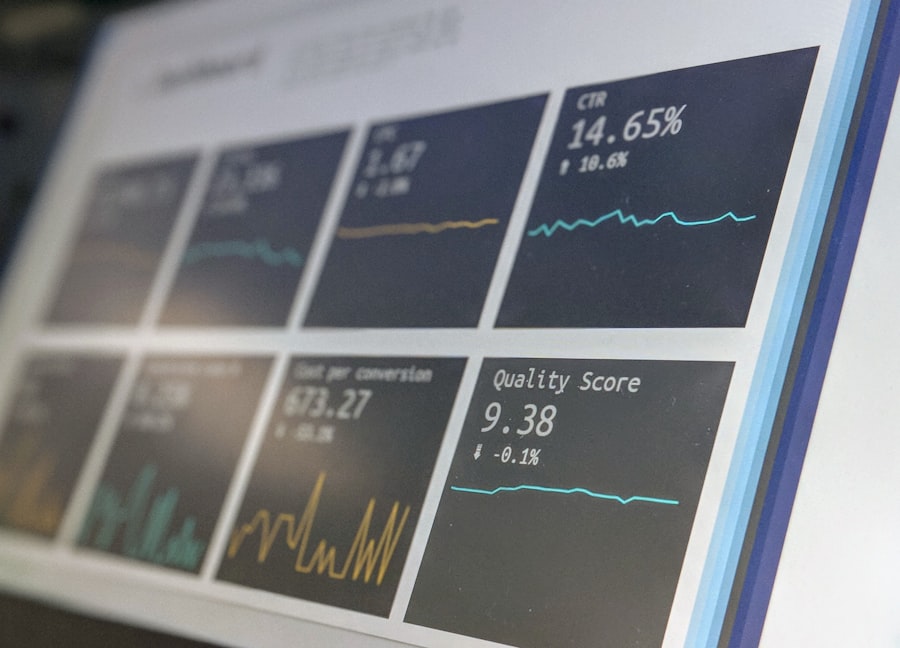
To ensure that our efforts in enhancing the customer journey are effective, measuring and monitoring customer engagement is essential for us as business owners. Engagement metrics provide valuable insights into how well our strategies resonate with our audience. Key performance indicators (KPIs) such as click-through rates, time spent on site, and social media interactions allow us to gauge the effectiveness of our marketing campaigns and overall customer experience initiatives.
Additionally, monitoring customer engagement goes beyond just quantitative metrics; it also involves qualitative feedback from customers themselves. We can gather insights through surveys or feedback forms that ask customers about their experiences with our brand. This direct feedback helps us understand what aspects of the journey are working well and where improvements are needed.
By combining both quantitative data and qualitative insights, we can create a comprehensive picture of customer engagement that informs our decision-making processes moving forward.
Implementing Actionable Strategies from Journey Analytics
As we analyze the wealth of information gathered through journey analytics, implementing actionable strategies becomes crucial for driving meaningful change within our organizations. The insights derived from analytics should not remain theoretical; they must translate into concrete actions that enhance the customer experience. For instance, if analytics reveal that customers are struggling with a particular aspect of the purchasing process—such as navigating product categories—we can streamline website navigation or provide clearer product descriptions.
Moreover, collaboration across different business areas is essential when implementing these strategies effectively. Marketing teams may need to work closely with IT departments to ensure that website updates align with user experience goals while sales teams may need training on new communication protocols based on customer feedback trends identified through analytics. By fostering cross-functional collaboration and ensuring alignment around shared goals related to improving the customer journey, we can create a cohesive approach that drives lasting results for both our customers and our business as a whole.
In conclusion, as business owners navigating the complexities of today’s marketplace, understanding the intricacies of the customer journey is paramount for success. By leveraging data-driven insights, identifying key touchpoints, analyzing behavior patterns, improving experiences through analytics, personalizing communication efforts, measuring engagement metrics effectively, and implementing actionable strategies collaboratively across departments—we position ourselves not only to meet but exceed customer expectations consistently over time. Ultimately this commitment leads not just towards increased sales but fosters deeper connections between brands like ours—and those who choose us—creating lasting loyalty in an ever-evolving landscape where consumer preferences continue shifting rapidly forward into new horizons ahead!
If you’re interested in enhancing your understanding of journey analytics and how it can improve customer experience, you might find the article “Creating an Atmosphere of Peace” relevant. Although it primarily focuses on cultivating a peaceful environment, the principles discussed can be applied to creating smoother and more engaging customer journeys. By understanding the elements that contribute to a peaceful atmosphere, businesses can better design their customer interactions to be more harmonious and effective. You can read more about this on Creating an Atmosphere of Peace.
FAQs
What is journey analytics?
Journey analytics is the process of tracking and analyzing the entire customer journey across various touchpoints and channels, such as websites, mobile apps, social media, and customer service interactions. It helps businesses understand the customer’s behavior, preferences, and pain points throughout their journey.
How is journey analytics different from traditional analytics?
Traditional analytics focus on individual touchpoints or channels, while journey analytics looks at the entire customer journey as a holistic experience. Journey analytics provides a more comprehensive view of the customer’s interactions and helps businesses identify opportunities for improvement.
What are the benefits of using journey analytics?
Some of the benefits of using journey analytics include gaining insights into customer behavior, identifying pain points in the customer journey, improving customer experience, optimizing marketing and sales strategies, and increasing customer retention and loyalty.
What are some common use cases for journey analytics?
Common use cases for journey analytics include understanding the path to purchase, identifying drop-off points in the customer journey, personalizing the customer experience, improving customer support processes, and optimizing marketing campaigns based on customer behavior.
What are the key components of journey analytics?
The key components of journey analytics include data collection from various touchpoints, data integration and consolidation, customer journey mapping, analysis and visualization of the customer journey, and the implementation of insights to improve the customer experience.


