


As business owners, we recognize that understanding the customer journey is paramount to our success. The customer journey encompasses every interaction a customer has with our brand, from the initial awareness stage to post-purchase experiences. By mapping out this journey, we can identify key touchpoints where customers engage with our products or services.
This process allows us to visualize the path our customers take, helping us to pinpoint areas where we can enhance their experience. We must consider various factors, such as customer motivations, pain points, and expectations at each stage of their journey. By doing so, we can create a more seamless and enjoyable experience that encourages customers to return.
Moreover, understanding the customer journey enables us to tailor our marketing strategies effectively. We can segment our audience based on their behaviors and preferences, allowing us to deliver targeted messages that resonate with them. This level of personalization not only improves engagement but also fosters a deeper connection between our brand and our customers.
As we delve into the intricacies of the customer journey, we begin to see how each interaction contributes to the overall perception of our brand. By prioritizing the customer experience and continuously refining our approach, we can build lasting relationships that drive loyalty and advocacy.
Key Takeaways
- Understanding the customer journey is crucial for businesses to effectively engage and retain customers.
- Leveraging data for customer insights allows businesses to make informed decisions and tailor their strategies to meet customer needs.
- Utilizing Adobe Customer Journey Analytics provides a comprehensive view of customer interactions across various touchpoints.
- Analyzing customer behavior and interactions helps businesses identify patterns and trends to improve their marketing and sales strategies.
- Personalizing customer experiences based on insights can lead to increased customer satisfaction and loyalty.
Leveraging Data for Customer Insights
In our quest to enhance the customer journey, leveraging data for customer insights has become an indispensable tool. We have access to a wealth of information that can inform our decisions and strategies. By analyzing data from various sources—such as website analytics, social media interactions, and customer feedback—we can gain a comprehensive understanding of our customers’ preferences and behaviors.
This data-driven approach allows us to identify trends and patterns that may not be immediately apparent, enabling us to make informed decisions that align with our customers’ needs. Furthermore, utilizing data effectively empowers us to anticipate customer needs and preferences. By analyzing historical data, we can predict future behaviors and tailor our offerings accordingly.
For instance, if we notice a spike in interest for a particular product during a specific season, we can adjust our inventory and Marketing efforts to capitalize on that trend. This proactive approach not only enhances the customer experience but also positions us as a brand that truly understands its audience. As we continue to harness the power of data, we can refine our strategies and create more meaningful connections with our customers.
Utilizing Adobe Customer Journey Analytics
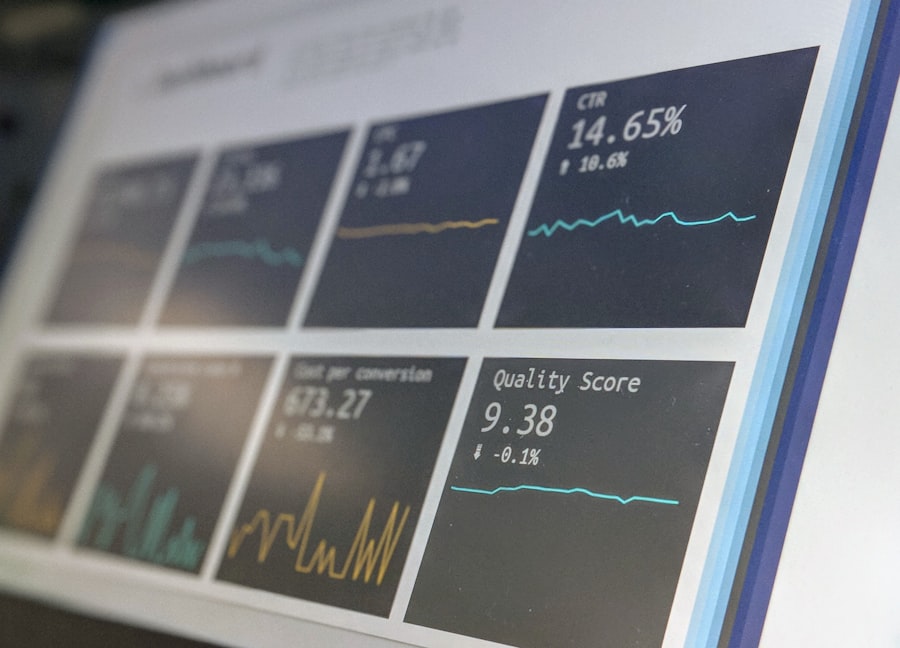
As we explore tools that can enhance our understanding of the customer journey, Adobe Customer Journey Analytics stands out as a powerful resource. This platform provides us with a comprehensive view of customer interactions across multiple channels, allowing us to analyze their behavior in real-time. By integrating data from various touchpoints—such as email campaigns, social media engagement, and website visits—we can create a holistic view of the customer experience.
This level of insight enables us to identify bottlenecks in the journey and make data-driven adjustments that improve overall satisfaction. Moreover, Adobe Customer Journey Analytics allows us to segment our audience based on their behaviors and preferences. By creating detailed profiles of our customers, we can tailor our marketing efforts to meet their specific needs.
For instance, if we identify a group of customers who frequently engage with our brand through social media but rarely make purchases, we can develop targeted campaigns aimed at converting them into buyers. This personalized approach not only enhances the effectiveness of our marketing strategies but also fosters a sense of connection between our brand and our customers.
Analyzing Customer Behavior and Interactions
| Customer Behavior and Interactions Metrics | January | February | March |
|---|---|---|---|
| Number of website visits | 5000 | 6000 | 7000 |
| Conversion rate | 3% | 4% | 5% |
| Average time spent on site (minutes) | 4 | 5 | 6 |
Analyzing customer behavior and interactions is crucial for us as business owners seeking to optimize the customer journey. By examining how customers engage with our brand at various touchpoints, we can uncover valuable insights that inform our strategies. For instance, we might analyze website traffic patterns to determine which pages are most popular or where customers tend to drop off during the purchasing process.
This information allows us to make data-driven decisions about website design and functionality, ultimately leading to a more user-friendly experience. In addition to website analytics, we must also consider other forms of customer interaction, such as social media engagement and customer service inquiries. By monitoring these channels, we can gain insights into customer sentiment and identify areas for improvement.
For example, if we notice an increase in negative feedback regarding a specific product or service, we can take immediate action to address the issue and communicate transparently with our customers. This proactive approach not only helps us resolve problems but also demonstrates our commitment to customer satisfaction.
Personalizing Customer Experiences
Personalizing customer experiences is a key strategy for fostering loyalty and enhancing satisfaction. As business owners, we understand that each customer is unique, with distinct preferences and needs. By leveraging data and insights gathered from various touchpoints, we can create tailored experiences that resonate with individual customers.
For instance, we might use purchase history data to recommend products that align with a customer’s previous purchases or send personalized offers based on their browsing behavior. Moreover, personalization extends beyond product recommendations; it encompasses every aspect of the customer experience. From personalized email communications to customized landing pages on our website, every interaction should reflect an understanding of the customer’s preferences.
By creating a more personalized experience, we not only increase the likelihood of conversion but also build trust and loyalty among our customers. As we continue to refine our personalization strategies, we can create memorable experiences that keep customers coming back for more.
Improving Marketing and Sales Strategies
As business owners striving for growth, improving our marketing and sales strategies is essential for success. By analyzing customer behavior and preferences, we can identify opportunities for optimization within our marketing efforts. For instance, if we notice that certain channels yield higher engagement rates than others, we can allocate resources accordingly to maximize our reach.
Additionally, by leveraging insights from Adobe Customer Journey Analytics, we can refine our messaging and targeting to ensure that we are reaching the right audience with the right message at the right time. Furthermore, enhancing collaboration between marketing and sales teams is crucial for driving results. By sharing insights and data across departments, we can create a unified approach that aligns marketing efforts with sales goals.
For example, if the sales team identifies common objections from potential customers during the sales process, the marketing team can develop targeted content that addresses those concerns upfront. This collaborative approach not only improves conversion rates but also fosters a culture of continuous improvement within our organization.
Enhancing Customer Retention and Loyalty
Enhancing customer retention and loyalty is a top priority for us as business owners seeking sustainable growth. We understand that acquiring new customers is often more costly than retaining existing ones; therefore, investing in strategies that foster loyalty is essential. By analyzing customer behavior and feedback, we can identify opportunities to improve the overall experience and address any pain points that may hinder retention.
For instance, if we notice that customers frequently express dissatisfaction with shipping times, we can explore options for faster fulfillment or better communication regarding delivery expectations. Moreover, implementing loyalty programs is an effective way to incentivize repeat purchases and strengthen customer relationships. By offering rewards for continued engagement—such as discounts on future purchases or exclusive access to new products—we can encourage customers to choose our brand over competitors.
Additionally, by personalizing these rewards based on individual preferences, we can create a sense of exclusivity that resonates with our loyal customers. As we prioritize retention strategies, we not only enhance customer satisfaction but also cultivate brand advocates who will promote our business through word-of-mouth.
Driving Business Growth through Customer Insights
Ultimately, driving business growth through customer insights is at the core of our mission as business owners. By leveraging data and analytics to understand customer behavior and preferences, we can make informed decisions that propel our business forward. Whether it’s optimizing marketing strategies or enhancing product offerings based on feedback, every action should be guided by a commitment to understanding our customers’ needs.
As we continue to invest in tools like Adobe Customer Journey Analytics and prioritize personalization in every interaction, we position ourselves for long-term success. The insights gained from analyzing customer journeys not only inform immediate strategies but also shape our overall business vision. By fostering a culture of continuous improvement driven by customer insights, we can adapt to changing market dynamics and remain competitive in an ever-evolving landscape.
Ultimately, by placing the customer at the center of everything we do, we pave the way for sustainable growth and lasting success in our business endeavors.
If you’re interested in enhancing your understanding of customer journey analytics, particularly how tools like Adobe can be leveraged, you might find related insights on creating effective digital environments for your customers. A recommended read is an article that discusses the importance of creating an atmosphere conducive to customer engagement and satisfaction. You can explore these concepts further by visiting Creating an Atmosphere of Peace, which, while not directly about Adobe, touches on the broader themes of crafting environments that positively impact customer experiences.
FAQs
What is customer journey analytics?
Customer journey analytics is the process of tracking and analyzing the interactions and touchpoints a customer has with a company across various channels and devices. This includes understanding the customer’s behavior, preferences, and experiences throughout their entire journey with the company.
Why is customer journey analytics important?
Customer journey analytics is important because it helps companies gain insights into their customers’ behaviors, preferences, and pain points. By understanding the customer journey, companies can improve their marketing strategies, customer service, and overall customer experience.
How does Adobe help with customer journey analytics?
Adobe offers a customer journey analytics platform that allows companies to track and analyze customer interactions across different channels, such as websites, mobile apps, and social media. Adobe’s platform provides tools for data collection, analysis, and visualization to help companies understand and optimize their customer journeys.
What are the benefits of using customer journey analytics?
Some of the benefits of using customer journey analytics include:
– Understanding customer behavior and preferences
– Improving marketing strategies and targeting
– Enhancing customer experience and satisfaction
– Identifying pain points and areas for improvement
– Increasing customer retention and loyalty
How can companies use customer journey analytics to improve their business?
Companies can use customer journey analytics to improve their business by:
– Identifying and addressing pain points in the customer journey
– Personalizing marketing and communication efforts
– Optimizing the customer experience across different touchpoints
– Gaining insights into customer behavior and preferences
– Improving customer retention and loyalty


