


As a startup or business owner, you may often find yourself navigating the complex waters of entrepreneurship, where every decision can significantly impact your venture’s success. One of the most critical components of this journey is market research. Understanding your target audience, their preferences, and the competitive landscape is essential for making informed decisions.
Market research provides you with valuable insights that can guide your product development, marketing strategies, and overall business direction. By investing time and resources into understanding the market, you can identify opportunities and threats, allowing you to position your business effectively and increase your chances of success. Moreover, market research is not just a one-time task; it is an ongoing process that evolves as your business grows and the market changes.
By continuously gathering data and analyzing trends, you can stay ahead of the curve and adapt to shifting consumer behaviors. This proactive approach enables you to refine your offerings, enhance customer satisfaction, and ultimately drive sales. In a world where consumer preferences can change overnight, having a solid foundation of market research allows you to pivot quickly and make strategic decisions that align with your audience’s needs.
Key Takeaways
- Market research is crucial for understanding consumer behavior and preferences, and for making informed business decisions.
- Data analytics can provide valuable insights into market trends, customer behavior, and competitive landscape.
- Surveys and questionnaires are effective tools for gathering customer feedback and understanding their needs and preferences.
- Social media and online platforms offer valuable data for understanding consumer sentiment and behavior, and for identifying market trends.
- Competitor analysis provides strategic insights into the strengths and weaknesses of competitors, and helps in identifying opportunities and threats in the market.
Utilizing Data Analytics for Market Research
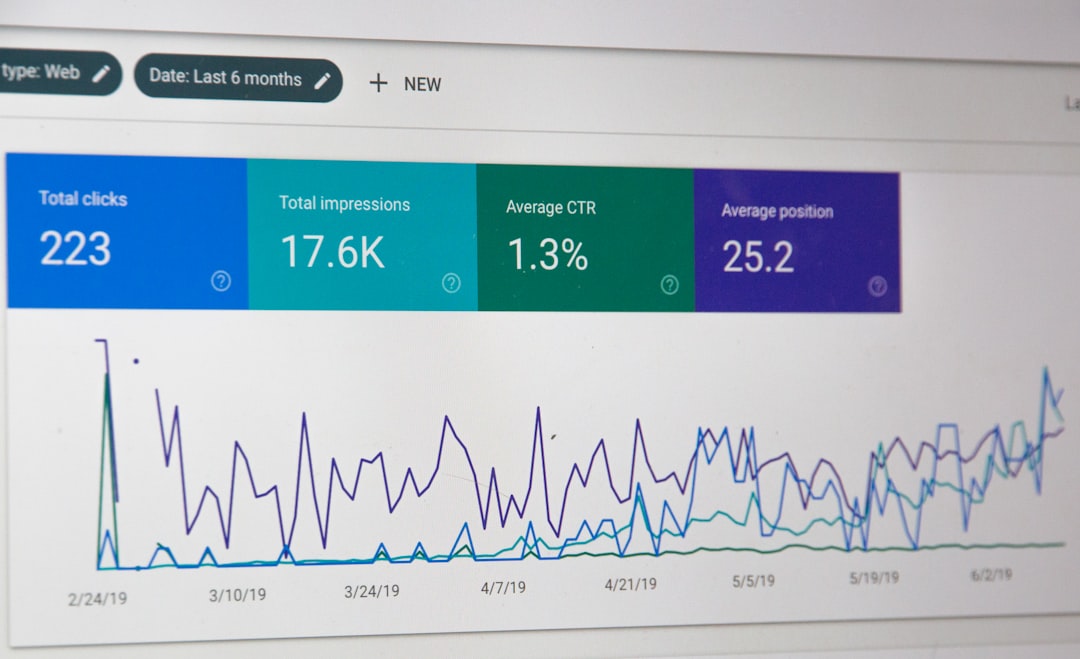
In today’s digital age, data analytics has become an indispensable tool for conducting market research. As a business owner, you have access to a wealth of data that can provide insights into consumer behavior, market trends, and competitive dynamics. By harnessing data analytics, you can transform raw data into actionable insights that inform your business strategies.
For instance, analyzing website traffic can reveal which products or services are most popular among your audience, helping you tailor your offerings accordingly. Additionally, tracking customer interactions across various touchpoints allows you to understand their preferences and pain points better. Furthermore, data analytics enables you to segment your audience effectively.
By categorizing customers based on demographics, purchasing behavior, or engagement levels, you can create targeted marketing campaigns that resonate with specific groups. This level of personalization not only enhances customer experience but also increases conversion rates. As you delve deeper into data analytics, consider utilizing tools like Google Analytics or customer relationship management (CRM) software to streamline your research efforts.
These tools can help you visualize trends and patterns, making it easier to derive insights that drive your business forward.
Implementing Surveys and Questionnaires for Customer Feedback

Surveys and questionnaires are powerful tools for gathering direct feedback from your customers. As a startup owner, you should prioritize understanding your audience’s thoughts and feelings about your products or services. By designing well-structured surveys, you can collect valuable information that informs your decision-making process.
Consider using a mix of open-ended and closed-ended questions to capture both quantitative data and qualitative insights. This approach allows you to gauge customer satisfaction levels while also uncovering specific areas for improvement. Moreover, the timing and distribution of your surveys play a crucial role in their effectiveness.
You might want to send out surveys after a purchase or following a significant interaction with your brand. This ensures that the feedback is fresh in the customer’s mind and increases the likelihood of receiving thoughtful responses. Additionally, consider offering incentives for completing surveys, such as discounts or entry into a prize draw.
This not only encourages participation but also demonstrates that you value their opinions. By actively seeking customer feedback through surveys, you can foster a sense of community and loyalty among your audience.
Leveraging Social Media and Online Platforms for Market Research
| Platform | Metrics |
|---|---|
| Number of likes, shares, and comments on market research posts | |
| Engagement rate, retweets, and mentions related to market research | |
| Number of followers, likes, and comments on market research content | |
| Engagement on market research articles, shares, and comments | |
| YouTube | Views, likes, and comments on market research videos |
Social media has revolutionized the way businesses conduct market research. As a business owner, you can tap into various online platforms to gather insights about your target audience’s preferences and behaviors. Social media channels like Facebook, Twitter, Instagram, and LinkedIn provide a wealth of information about consumer interests and trends.
By monitoring conversations around your brand or industry, you can identify emerging topics and gauge public sentiment. This real-time feedback allows you to adjust your marketing strategies and product offerings accordingly. Additionally, social media platforms offer advanced analytics tools that enable you to track engagement metrics such as likes, shares, comments, and click-through rates.
These metrics provide valuable insights into what content resonates with your audience and what doesn’t. You can also conduct polls or ask questions directly on social media to encourage interaction and gather feedback in a more informal setting. By leveraging social media for market research, you not only gain insights but also build relationships with your audience, fostering brand loyalty in the process.
Conducting Competitor Analysis for Strategic Insights
Understanding your competitors is crucial for positioning your business effectively in the market. Conducting a thorough competitor analysis allows you to identify their strengths and weaknesses while uncovering opportunities for differentiation. As a startup owner, take the time to analyze your competitors’ products, pricing strategies, marketing tactics, and customer engagement efforts.
This information can help you identify gaps in the market that your business can fill or areas where you can outperform them. Moreover, competitor analysis is not just about identifying threats; it also provides valuable insights into industry trends and best practices. By studying successful competitors, you can learn from their successes and failures, allowing you to refine your own strategies.
Consider creating a competitive matrix that outlines key metrics such as market share, customer reviews, and social media presence. This visual representation will help you assess where you stand in relation to your competitors and inform your strategic decisions moving forward.
Using Focus Groups for In-Depth Consumer Understanding

Focus groups are an excellent method for gaining in-depth insights into consumer attitudes and perceptions. As a business owner, organizing focus group sessions allows you to engage directly with potential customers and gather qualitative feedback on your products or services. During these sessions, participants can share their thoughts in a collaborative environment, providing valuable insights that may not emerge through surveys or online research alone.
This qualitative data can help you understand the motivations behind consumer behavior and identify potential barriers to purchase. When conducting focus groups, it’s essential to create a comfortable atmosphere where participants feel free to express their opinions openly. Consider hiring a skilled moderator who can guide the discussion effectively while ensuring that all voices are heard.
Additionally, be prepared to ask probing questions that encourage deeper exploration of participants’ thoughts and feelings. The insights gained from focus groups can be instrumental in shaping your product development process and refining your marketing strategies to better align with consumer expectations.
Incorporating Artificial Intelligence and Machine Learning in Market Research
Artificial intelligence (AI) and machine learning (ML) are transforming the landscape of market research by enabling businesses to analyze vast amounts of data quickly and efficiently. As a startup owner, incorporating these technologies into your research efforts can provide you with deeper insights than traditional methods alone. AI algorithms can identify patterns in consumer behavior that may not be immediately apparent through manual analysis.
This allows you to make data-driven decisions based on predictive analytics rather than relying solely on historical data. Moreover, AI-powered tools can automate various aspects of market research, from data collection to analysis. For instance, chatbots can engage with customers on your website or social media platforms to gather feedback in real time.
This not only streamlines the research process but also enhances customer engagement by providing immediate responses to inquiries. By leveraging AI and ML technologies in your market research efforts, you position yourself at the forefront of innovation while gaining a competitive edge in understanding consumer needs.
Measuring and Tracking Key Performance Indicators for Market Analysis
To ensure that your market research efforts yield tangible results, it’s essential to measure and track key performance indicators (KPIs). As a business owner, identifying relevant KPIs allows you to assess the effectiveness of your marketing strategies and overall business performance. Common KPIs include customer acquisition cost (CAC), customer lifetime value (CLV), conversion rates, and customer satisfaction scores.
By regularly monitoring these metrics, you can gain insights into how well your business is meeting its goals and where adjustments may be necessary. Additionally, tracking KPIs over time enables you to identify trends and patterns that inform future decision-making. For example, if you notice a decline in customer satisfaction scores after launching a new product line, it may prompt you to investigate further or make necessary adjustments based on customer feedback.
Establishing a robust system for measuring KPIs ensures that you’re not only gathering data but also using it effectively to drive continuous improvement within your business. By prioritizing measurement in your market research efforts, you’ll be better equipped to navigate challenges and seize opportunities as they arise in an ever-evolving marketplace.
If you’re delving into the realm of market research and seeking effective tools to enhance your strategies, it’s essential to explore relevant resources that can provide you with comprehensive insights and methodologies. A particularly useful article that I recommend is available on a dedicated business enhancement website. You can read more about how to create an effective environment for conducting market research by visiting Creating an Atmosphere of Peace. This article offers valuable tips on setting the right atmosphere that can significantly influence the quality and outcomes of your market research efforts.
FAQs
What are market research tools?
Market research tools are software, applications, or platforms that help businesses gather, analyze, and interpret data related to their target market, customers, and competitors. These tools provide valuable insights that can be used to make informed business decisions.
What are the different types of market research tools?
There are various types of market research tools, including survey tools, data analytics platforms, social media monitoring tools, customer relationship management (CRM) software, competitive intelligence tools, and online focus group platforms. Each type of tool serves a specific purpose in the market research process.
How do market research tools help businesses?
Market research tools help businesses by providing them with valuable data and insights that can be used to understand customer preferences, identify market trends, assess competition, and make informed strategic decisions. These tools enable businesses to gather and analyze data more efficiently and accurately.
What are some popular market research tools?
Some popular market research tools include SurveyMonkey, Google Analytics, Hootsuite, HubSpot, SEMrush, and Qualtrics. These tools offer a range of features and capabilities to support different aspects of market research, such as survey creation, data analysis, social media monitoring, and competitive analysis.
How can businesses choose the right market research tools?
Businesses can choose the right market research tools by first identifying their specific research needs and objectives. They should then evaluate the features, pricing, and user reviews of different tools to determine which ones align best with their requirements. It’s also important to consider factors such as ease of use, integration with existing systems, and customer support.


