


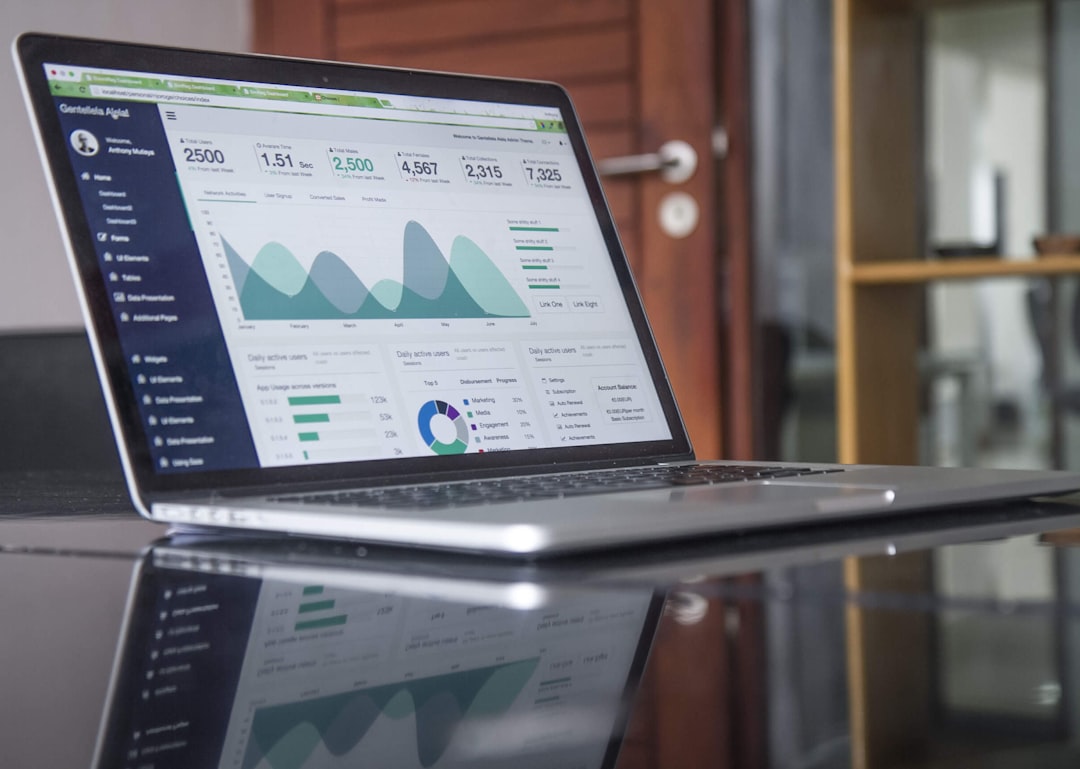
As business owners and founders, we must first grasp the concept of the B2B sales funnel. This funnel represents the journey our potential customers take from the moment they become aware of our product or service to the point of making a purchase. It is a structured approach that allows us to visualize and manage the various stages of this journey, which typically includes awareness, consideration, and decision-making.
By understanding this framework, we can better tailor our marketing and sales strategies to guide leads through each stage effectively. The B2B sales funnel is not just a linear path; it is a dynamic process that requires us to be adaptable and responsive to the needs of our prospects. At the top of the funnel, we attract a broad audience through various marketing efforts, such as content marketing, social media, and paid advertising.
As leads move down the funnel, they become more qualified and engaged, allowing us to focus our resources on those who are most likely to convert. By recognizing the importance of each stage in the funnel, we can create targeted strategies that resonate with our audience and ultimately drive sales.
Key Takeaways
- The B2B sales funnel is a multi-stage process that involves attracting, engaging, and converting potential leads into customers.
- Identifying and targeting the right leads is crucial for the success of the B2B sales funnel, as it ensures that resources are focused on potential customers with the highest likelihood of conversion.
- Creating compelling content for each stage of the funnel is essential to keep leads engaged and moving through the sales process.
- Leveraging marketing automation and CRM tools can streamline the sales process, improve efficiency, and provide valuable insights into lead behavior and preferences.
- Nurturing and qualifying leads is an ongoing process that involves building relationships, addressing concerns, and determining the readiness of leads to make a purchase.
Identifying and Targeting the Right Leads
To effectively fill our sales funnel, we must first identify and target the right leads. This process begins with defining our ideal customer profile (ICP). By understanding who our best customers are, we can create a clear picture of the characteristics that make them a good fit for our offerings.
This includes factors such as industry, company size, location, and specific pain points that our product or service addresses. Once we have established our ICP, we can use this information to guide our lead generation efforts. In addition to defining our ICP, we should also leverage data analytics and market research to identify potential leads.
Tools like LinkedIn Sales Navigator or industry-specific databases can help us find companies that match our criteria. Furthermore, we can utilize social listening tools to monitor conversations around relevant topics in our industry. By engaging with these discussions, we can position ourselves as thought leaders and attract leads who are already interested in what we have to offer.
Ultimately, targeting the right leads ensures that we are investing our time and resources in prospects who are more likely to convert into paying customers.
Creating Compelling Content for Each Stage of the Funnel

Once we have identified our target leads, the next step is to create compelling content tailored to each stage of the sales funnel. At the top of the funnel, our goal is to generate awareness and attract potential customers. This can be achieved through blog posts, infographics, and social media content that addresses common pain points or industry trends.
By providing valuable information, we can establish trust and credibility with our audience, encouraging them to engage further with our brand. As leads move into the consideration stage, we need to provide more in-depth content that helps them evaluate their options. This could include case studies, whitepapers, or webinars that showcase how our product or service has solved similar challenges for other businesses.
By demonstrating our expertise and providing tangible evidence of our success, we can help prospects see the value in choosing us over competitors. Finally, at the decision stage, we should focus on creating content that facilitates the final purchasing decision. This might involve offering free trials, product demos, or detailed comparisons with competitors.
By addressing any remaining objections and providing clear calls to action, we can guide leads toward making a purchase.
Leveraging Marketing Automation and CRM Tools
| Metrics | Value |
|---|---|
| Leads Generated | 500 |
| Conversion Rate | 15% |
| Customer Engagement Score | 80 |
| Opportunities Created | 100 |
In today’s fast-paced business environment, leveraging marketing automation and customer relationship management (CRM) tools is essential for optimizing our sales funnel. These technologies allow us to streamline our marketing efforts and manage leads more effectively. For instance, marketing automation platforms enable us to nurture leads through personalized email campaigns based on their behavior and engagement with our content.
By automating these processes, we can ensure that no lead falls through the cracks while also saving valuable time. CRM tools play a crucial role in tracking interactions with leads throughout their journey in the sales funnel. By maintaining detailed records of each prospect’s engagement history, we can tailor our communication strategies accordingly.
This data-driven approach allows us to identify which leads are most engaged and ready for a sales conversation. Additionally, CRM systems provide valuable insights into overall funnel performance, helping us identify bottlenecks or areas for improvement. By integrating these tools into our sales strategy, we can enhance efficiency and drive better results.
Nurturing and Qualifying Leads
Nurturing leads is a critical component of maintaining momentum within our sales funnel. As leads progress through the various stages, it is essential for us to stay engaged with them by providing relevant content and personalized communication. This nurturing process helps build relationships and trust over time, increasing the likelihood of conversion.
We can utilize email marketing campaigns to share valuable resources or updates about our offerings while also inviting prospects to participate in webinars or events that align with their interests. Qualifying leads is equally important as it allows us to focus our efforts on those who are most likely to convert into customers.
By prioritizing high-scoring leads for follow-up conversations or personalized outreach, we can maximize our chances of closing deals. Additionally, regular check-ins with leads can help us gauge their interest level and address any concerns they may have before making a final decision.
Aligning Sales and Marketing Efforts
For our sales funnel to function optimally, it is crucial for us to align our sales and marketing efforts effectively. This alignment ensures that both teams are working toward common goals and sharing valuable insights about lead behavior and preferences. Regular communication between sales and marketing teams allows us to refine our strategies based on real-time feedback from prospects.
For instance, if the sales team identifies common objections during calls, marketing can create targeted content that addresses these concerns. Moreover, establishing shared metrics for success helps both teams understand their contributions to the overall sales process. By tracking key performance indicators (KPIs) such as conversion rates at each stage of the funnel or lead response times, we can identify areas for improvement and celebrate successes together.
This collaborative approach fosters a culture of accountability and encourages both teams to work together toward achieving revenue goals.
Measuring and Analyzing Funnel Performance
To ensure that our sales funnel is effective, we must consistently measure and analyze its performance. By tracking key metrics such as lead conversion rates, average deal size, and time spent at each stage of the funnel, we can gain valuable insights into how well our strategies are working. Utilizing analytics tools allows us to visualize this data in real-time, making it easier for us to identify trends or patterns that may require adjustments.
Regularly reviewing funnel performance also enables us to pinpoint specific areas where leads may be dropping off or losing interest. For example, if we notice a significant drop in conversion rates between the consideration and decision stages, it may indicate that our content is not effectively addressing objections or providing enough value at this critical juncture. By analyzing these metrics and making data-driven decisions, we can continuously refine our approach and improve overall funnel efficiency.
Continuously Optimizing the Sales Funnel Strategy
Finally, continuous optimization of our sales funnel strategy is essential for long-term success. The business landscape is constantly evolving, and so are customer preferences and behaviors. To stay ahead of the competition, we must remain agile and open to experimenting with new tactics or technologies that could enhance our funnel performance.
Regularly soliciting feedback from both customers and team members can provide valuable insights into areas for improvement. Additionally, conducting A/B testing on various elements of our funnel—such as landing pages, email subject lines, or call-to-action buttons—can help us determine what resonates best with our audience. By analyzing the results of these tests and implementing changes based on data-driven insights, we can create a more effective sales funnel that drives higher conversion rates over time.
Ultimately, by committing to continuous optimization, we position ourselves for sustained growth and success in an ever-changing marketplace.
If you’re looking to enhance your understanding of B2B sales funnels, I recommend checking out an insightful article on


