


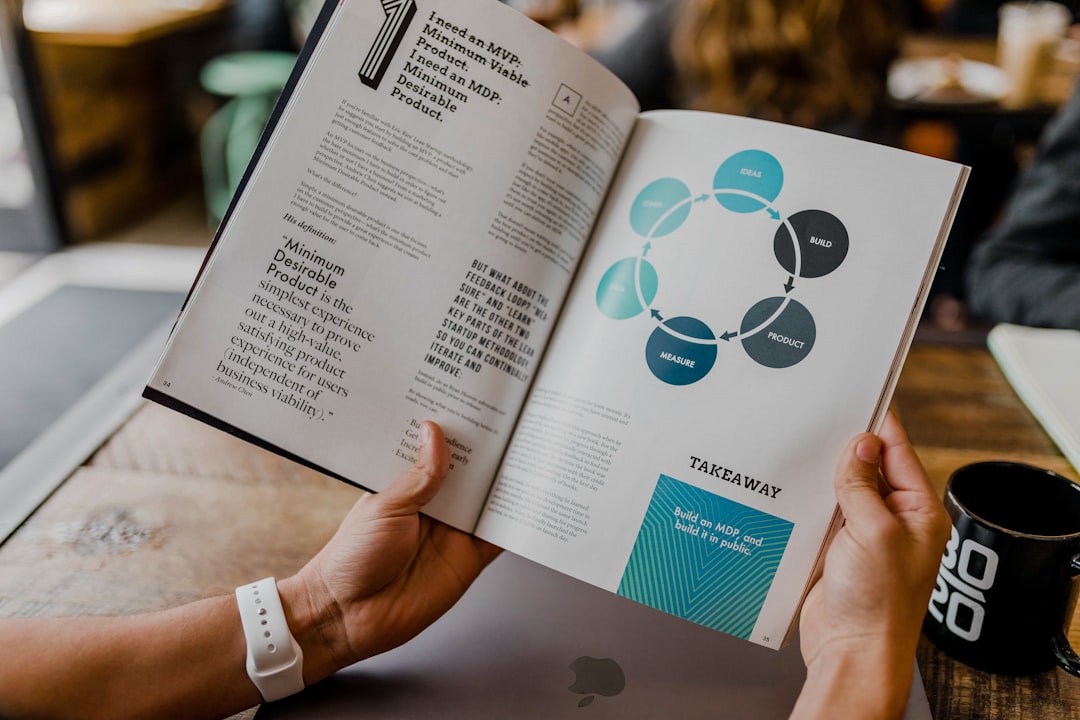
As business owners and founders, we must first grasp the concept of the B2B sales funnel. This funnel represents the journey our potential customers take from the moment they become aware of our product or service to the point where they make a purchase. It is typically divided into several stages: awareness, consideration, and decision.
Each stage requires a tailored approach to effectively guide prospects through their buying journey. By understanding this funnel, we can better strategize our marketing efforts and align them with our sales processes. The awareness stage is where potential customers first encounter our brand.
They may come across our content through social media, search engines, or word-of-mouth referrals. At this point, they are not yet familiar with our offerings, so our goal is to capture their attention and pique their interest. As they move into the consideration stage, they begin to evaluate their options and compare different solutions.
Here, we need to provide valuable information that addresses their pain points and showcases how our product or service can meet their needs. Finally, in the decision stage, prospects are ready to make a purchase. Our focus should be on reinforcing their choice and providing any final incentives that encourage them to convert.
Key Takeaways
- The B2B sales funnel consists of multiple stages, including awareness, consideration, decision, and retention, each requiring different strategies and content.
- Identifying the target audience is crucial for effective B2B sales, as it allows for personalized and targeted content that resonates with potential customers.
- Creating compelling content for each stage of the funnel involves understanding the needs and pain points of the target audience and providing valuable and relevant information.
- Implementing lead nurturing strategies, such as personalized email campaigns and targeted content, helps to build relationships and guide leads through the sales funnel.
- Leveraging marketing automation tools can streamline processes, improve efficiency, and provide valuable insights for optimizing B2B sales efforts.
Identifying the Target Audience
Understanding Your Target Audience
——————————–
### Identifying Ideal Customers
To effectively navigate the B2B sales funnel, it’s essential to identify our target audience. This involves understanding who our ideal customers are, what challenges they face, and how our solutions can help them. By creating detailed buyer personas, we can gain insights into their demographics, preferences, and behaviors.
### Tailoring Marketing Messages
This information is crucial as it allows us to tailor our marketing messages and strategies to resonate with our audience. Once we have established our buyer personas, we can segment our audience based on various criteria such as industry, company size, or geographic location. This segmentation enables us to create more personalized marketing campaigns that speak directly to the needs of each group.
### Crafting Compelling Messages
By understanding the specific pain points and motivations of our target audience, we can craft messages that not only capture their attention but also build trust and credibility. Ultimately, this targeted approach will lead to higher engagement rates and increased conversions as we guide prospects through the sales funnel.
Creating Compelling Content for Each Stage of the Funnel

Content plays a pivotal role in guiding prospects through the B2B sales funnel. At each stage, we need to create compelling content that addresses the unique needs and concerns of our audience. In the awareness stage, we should focus on educational content that raises awareness about industry challenges and introduces our brand as a potential solution.
Blog posts, infographics, and social media content can be effective in capturing attention and driving traffic to our website. As prospects move into the consideration stage, we need to provide more in-depth content that helps them evaluate their options. Case studies, whitepapers, and webinars can showcase our expertise and demonstrate how our solutions have successfully addressed similar challenges for other clients.
This type of content not only builds credibility but also positions us as thought leaders in our industry. Finally, in the decision stage, we should offer content that reinforces the value of our product or service. This could include product demos, testimonials, or comparison guides that highlight the benefits of choosing us over competitors.
Implementing Lead Nurturing Strategies
| Metrics | Results |
|---|---|
| Number of leads generated | 200 |
| Conversion rate | 15% |
| Engagement rate | 25% |
| Qualified leads | 50 |
Lead nurturing is an essential component of guiding prospects through the sales funnel. As business owners and founders, we must recognize that not all leads are ready to make a purchase immediately. By implementing effective lead nurturing strategies, we can maintain engagement with prospects and keep our brand top-of-mind until they are ready to convert.
One effective lead nurturing strategy is email marketing. By segmenting our email list based on where prospects are in the sales funnel, we can send targeted messages that provide relevant content and resources. For example, leads in the awareness stage may benefit from educational articles, while those in the consideration stage may appreciate case studies or product comparisons.
Additionally, we can use marketing automation tools to streamline this process and ensure that leads receive timely follow-ups based on their interactions with our content.
Leveraging Marketing Automation Tools
In today’s fast-paced business environment, leveraging marketing automation tools is crucial for optimizing our sales funnel efforts. These tools allow us to automate repetitive tasks such as email campaigns, social media posting, and lead scoring.
Marketing automation also enables us to track user behavior and engagement across various channels. This data provides valuable insights into how prospects interact with our content and where they may be dropping off in the sales funnel. By analyzing this information, we can make informed decisions about how to adjust our strategies and improve overall performance.
Furthermore, automation tools often come equipped with features that allow us to personalize communication with leads based on their preferences and behaviors, enhancing the overall customer experience.
Aligning Sales and Marketing Efforts

For a successful B2B sales funnel, it is imperative that we align our sales and marketing efforts. Often, there can be a disconnect between these two departments, leading to missed opportunities and inefficiencies. By fostering collaboration between sales and marketing teams, we can create a seamless experience for prospects as they move through the funnel.
Regular communication between teams is essential for sharing insights about lead quality and customer feedback. By working together to define what constitutes a qualified lead, both teams can ensure they are on the same page regarding expectations and goals. Additionally, joint brainstorming sessions can help generate new ideas for content creation and lead nurturing strategies that cater to the needs of prospects at different stages of the funnel.
Measuring and Analyzing Key Metrics
To effectively manage our B2B sales funnel, we must measure and analyze key metrics that indicate performance at each stage. Metrics such as conversion rates, lead generation costs, and customer acquisition costs provide valuable insights into how well our strategies are working. By regularly reviewing these metrics, we can identify areas for improvement and make data-driven decisions.
For instance, if we notice a high drop-off rate in the consideration stage, it may indicate that our content is not resonating with prospects or that they are not finding enough value in what we offer. Conversely, if conversion rates are high in the decision stage but low in earlier stages, it may suggest that we need to enhance our lead nurturing efforts or improve our targeting strategies. By continuously monitoring these metrics, we can adapt our approach to better meet the needs of our audience.
Continuous Optimization and Improvement
Finally, continuous optimization and improvement are vital for maintaining an effective B2B sales funnel. The business landscape is constantly evolving, and so are customer preferences and behaviors. As business owners and founders, we must remain agile and open to change in order to stay ahead of the competition.
Regularly testing different strategies—such as A/B testing email subject lines or experimenting with various content formats—can provide valuable insights into what resonates best with our audience. Additionally, gathering feedback from customers can help us identify areas where we can enhance their experience throughout the sales funnel. By fostering a culture of continuous improvement within our organization, we can ensure that our sales funnel remains effective in driving conversions and achieving long-term success.
In conclusion, by understanding the B2B sales funnel and implementing targeted strategies at each stage—such as identifying our target audience, creating compelling content, nurturing leads effectively, leveraging automation tools, aligning sales and marketing efforts, measuring key metrics, and committing to continuous optimization—we can create a robust framework for driving sales growth in our businesses.
If you’re looking to deepen your understanding of B2B marketing and specifically how to optimize your sales funnel, you might find the article on “Creating an Atmosphere of Peace” intriguing. Although it primarily focuses on creating a peaceful work environment, the principles discussed can be subtly integrated into how you manage customer interactions and sales processes, ultimately enhancing the effectiveness of your B2B marketing strategy. You can read more about these insights by visiting Creating an Atmosphere of Peace. This resource could provide you with unique perspectives on maintaining a conducive atmosphere that could positively impact your sales funnel efficiency.
FAQs
What is a B2B marketing sales funnel?
A B2B marketing sales funnel is a visual representation of the customer journey from initial awareness of a product or service to making a purchase. It is used by businesses to understand and optimize the sales process.
What are the stages of a B2B marketing sales funnel?
The stages of a B2B marketing sales funnel typically include awareness, interest, consideration, intent, evaluation, and purchase. These stages represent the progression of a potential customer from first learning about a product or service to making a buying decision.
How is a B2B marketing sales funnel different from a B2C marketing sales funnel?
A B2B marketing sales funnel focuses on the unique needs and behaviors of businesses as customers, while a B2C marketing sales funnel is tailored to individual consumers. B2B sales funnels often involve longer sales cycles and multiple decision-makers.
What are the key strategies for optimizing a B2B marketing sales funnel?
Key strategies for optimizing a B2B marketing sales funnel include creating targeted content for each stage of the funnel, nurturing leads through personalized communication, leveraging data and analytics to track and improve performance, and aligning sales and marketing efforts.
How can businesses measure the effectiveness of their B2B marketing sales funnel?
Businesses can measure the effectiveness of their B2B marketing sales funnel by tracking key performance indicators (KPIs) such as conversion rates at each stage, customer acquisition cost, customer lifetime value, and sales velocity. This data can provide insights into areas for improvement.


