



In the ever-evolving landscape of marketing, direct mail remains a powerful tool that can significantly enhance our business growth. While digital Marketing has taken center stage, we must not overlook the unique advantages that direct mail offers. Unlike emails that can easily get lost in crowded inboxes, direct mail provides a tangible connection to our audience.
When we send a physical piece of mail, we create an opportunity for our brand to stand out in a way that digital formats often cannot. The tactile experience of holding a well-designed postcard or brochure can evoke emotions and foster a sense of trust that is crucial for converting leads into loyal customers. Moreover, direct mail marketing boasts impressive response rates compared to many digital channels.
Studies have shown that direct mail can achieve response rates as high as 5% to 9%, depending on the industry and the quality of the campaign. This effectiveness stems from the ability to target specific demographics and deliver personalized messages directly to potential customers’ mailboxes. By leveraging this medium, we can create a more intimate connection with our audience, leading to higher engagement and ultimately, increased revenue.
As we explore the various facets of direct mail marketing, we will uncover strategies that can help us harness its full potential.
Key Takeaways
- Direct mail marketing can be a powerful tool for reaching and engaging with your target audience.
- Understanding your target audience is crucial for creating a successful direct mail campaign.
- Effective direct mail campaigns require thoughtful and strategic design to capture attention and drive action.
- Choosing the right format for your direct mail piece can significantly impact its success.
- Personalization and customization techniques can help make your direct mail more relevant and impactful for recipients.
Understanding Your Target Audience
To maximize the effectiveness of our direct mail campaigns, we must first gain a deep understanding of our target audience. This involves conducting thorough market research to identify who our ideal customers are, what their preferences are, and how they behave. By segmenting our audience based on demographics, interests, and purchasing habits, we can tailor our messaging to resonate with each group.
This targeted approach not only increases the likelihood of engagement but also enhances the overall customer experience. Additionally, we should consider utilizing customer personas to visualize our audience segments. These personas represent fictional characters that embody the traits of our ideal customers, allowing us to empathize with their needs and motivations.
By putting ourselves in their shoes, we can craft messages that speak directly to their pain points and desires. Understanding our audience is not just about demographics; it’s about connecting with them on a personal level. When we know who we are speaking to, we can create campaigns that feel relevant and compelling, ultimately driving higher conversions.
Designing an Effective Direct Mail Campaign

Once we have a clear understanding of our target audience, the next step is to design an effective direct mail campaign. The design process should begin with a clear objective in mind—what do we want to achieve with this campaign? Whether it’s generating leads, promoting a new product, or increasing brand awareness, having a defined goal will guide our creative decisions.
We should also consider the overall look and feel of our mail piece; it should align with our brand identity while being visually appealing enough to capture attention. Incorporating strong calls-to-action (CTAs) is another critical element in our design process. A well-placed CTA encourages recipients to take immediate action, whether it’s visiting our website, calling for more information, or redeeming a special offer.
We should ensure that our CTAs are clear and compelling, making it easy for recipients to understand what we want them to do next. Additionally, using high-quality images and engaging copy can further enhance the effectiveness of our direct mail pieces. By focusing on both aesthetics and functionality, we can create campaigns that not only look good but also drive results.
Choosing the Right Direct Mail Format
| Direct Mail Format | Response Rate | Cost | Lead Generation |
|---|---|---|---|
| Postcard | 4.25% | Low | Good |
| Letter | 3.5% | Medium | High |
| Catalog | 2.5% | High | Low |
Selecting the right format for our direct mail campaign is crucial in determining its success. There are various formats available, including postcards, letters, brochures, and catalogs, each serving different purposes and audiences. For instance, postcards are often effective for quick promotions or announcements due to their simplicity and cost-effectiveness.
On the other hand, letters may be more suitable for personalized communication or detailed information about a product or service. We should also consider the size and layout of our mail piece. Larger formats may stand out more in a mailbox but could also incur higher postage costs.
Conversely, smaller formats may be more economical but could risk being overlooked. It’s essential to weigh these factors against our campaign goals and budget constraints. Ultimately, the right format will depend on our message and how we want it to be perceived by our audience.
By carefully selecting the appropriate format, we can enhance the impact of our direct mail efforts.
Personalization and Customization Techniques
In today’s marketing landscape, personalization is key to capturing attention and driving engagement. Direct mail offers unique opportunities for customization that can significantly enhance our campaigns’ effectiveness. By incorporating personalized elements such as the recipient’s name or tailored offers based on their previous interactions with our brand, we can create a sense of exclusivity that resonates with our audience.
This level of personalization not only increases open rates but also fosters a deeper connection between our brand and potential customers. Moreover, we can leverage data analytics to inform our customization efforts further. By analyzing customer behavior and preferences, we can segment our audience into smaller groups and craft messages that speak directly to their interests.
For example, if we know that a particular segment has shown interest in a specific product category, we can tailor our messaging to highlight relevant offers or promotions. This targeted approach not only improves engagement but also enhances the likelihood of conversion as recipients feel understood and valued.
Tracking and Measuring Direct Mail Success
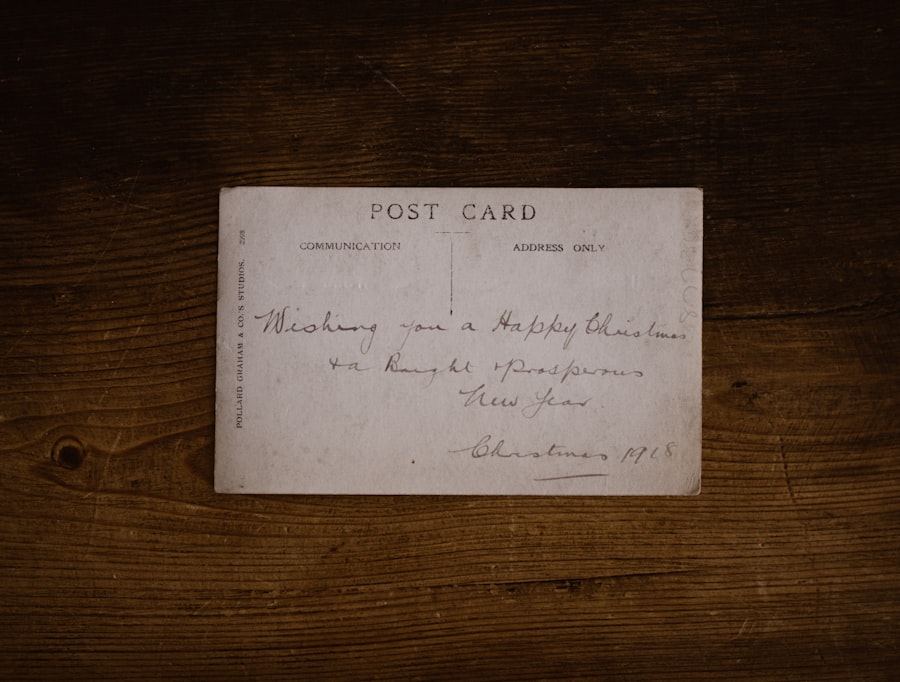
To ensure that our direct mail campaigns are effective, we must implement tracking and measurement strategies that allow us to evaluate their performance accurately. One way to do this is by using unique tracking codes or QR codes on our mail pieces. These codes enable us to monitor responses and interactions from recipients who engage with our campaign online or through phone calls.
By analyzing this data, we can gain valuable insights into which elements of our campaign resonated most with our audience. Additionally, we should establish key performance indicators (KPIs) that align with our campaign objectives. These KPIs could include response rates, conversion rates, return on investment (ROI), and customer acquisition costs.
By regularly reviewing these metrics, we can identify areas for improvement and make data-driven decisions for future campaigns. Tracking and measuring success not only helps us understand the effectiveness of our current efforts but also informs our overall marketing strategy moving forward.
Integrating Direct Mail with Digital Marketing
In today’s multi-channel marketing environment, integrating direct mail with digital marketing strategies can amplify our reach and effectiveness. By creating cohesive campaigns that leverage both mediums, we can engage customers at multiple touchpoints throughout their buying journey. For instance, we might send out a direct mail piece that includes a QR code linking to an exclusive online offer or landing page.
This seamless integration encourages recipients to take action while providing us with valuable data on their engagement. Furthermore, retargeting strategies can be employed to reinforce our messaging across digital platforms after sending out direct mail. For example, if someone receives a postcard from us but doesn’t immediately respond, we can use digital ads to remind them of the offer they received in the mail.
This multi-faceted approach not only keeps our brand top-of-mind but also increases the chances of conversion as potential customers encounter our messaging through various channels.
Tips for Creating Compelling Direct Mail Content
Creating compelling content is at the heart of any successful direct mail campaign. To capture attention and drive engagement, we must focus on crafting messages that resonate with our audience’s needs and desires. One effective strategy is to tell a story that connects emotionally with recipients.
By sharing relatable experiences or testimonials from satisfied customers, we can build trust and credibility while making our message more memorable. Additionally, using clear and concise language is essential in ensuring that our message is easily understood at first glance. We should avoid jargon or overly complex terms that may confuse recipients; instead, we should aim for simplicity and clarity in our writing.
Incorporating visuals such as images or infographics can also enhance comprehension and retention of information. Ultimately, by prioritizing compelling content that speaks directly to our audience’s interests and needs, we can create direct mail campaigns that not only capture attention but also drive conversions and revenue growth. In conclusion, as business owners looking to grow our ventures through higher conversions on leads and revenue, embracing the power of direct mail marketing is essential.
By understanding our target audience, designing effective campaigns, choosing the right formats, personalizing content, tracking success metrics, integrating with digital strategies, and creating compelling content, we position ourselves for success in this competitive landscape. Direct mail may be traditional in nature, but when executed thoughtfully and strategically, it remains a potent tool for driving business growth in today’s market.
If you’re exploring effective marketing strategies, you might find the insights on direct mail particularly useful. For a deeper understanding, consider reading an article that complements the topic of direct mail by discussing the broader aspects of marketing and business strategies. You can find such valuable information on this page, which offers a range of articles and resources tailored to enhancing your business’s marketing efforts.
FAQs
What is direct mail?
Direct mail is a marketing strategy that involves sending physical promotional materials, such as postcards, flyers, or catalogs, directly to a targeted audience through the postal service.
What are the benefits of using direct mail?
Direct mail allows businesses to target specific demographics, personalize their message, and track the effectiveness of their campaigns. It also has a tangible and personal touch that can help businesses stand out in a digital world.
How effective is direct mail as a marketing strategy?
Direct mail can be highly effective when used strategically. According to the Data & Marketing Association, the average response rate for direct mail is around 5%, compared to 0.6% for email and 0.6% for online display ads.
What are some best practices for creating a successful direct mail campaign?
Some best practices for direct mail include defining a clear target audience, personalizing the message, creating eye-catching designs, and including a strong call to action. It’s also important to track and analyze the results to continually improve future campaigns.
What are some common types of direct mail materials?
Common types of direct mail materials include postcards, letters, brochures, catalogs, and promotional items such as magnets or stickers. The choice of material depends on the goals and target audience of the campaign.


