


As a startup or business owner, you must recognize that customer feedback is not just a formality; it is a vital component of your business strategy. Feedback serves as a mirror reflecting your customers’ perceptions, experiences, and expectations. By actively seeking and valuing this input, you can gain insights that are crucial for refining your products or services.
Understanding the importance of feedback allows you to identify areas for improvement, innovate effectively, and ultimately enhance customer satisfaction. When customers feel heard and valued, they are more likely to remain loyal to your brand, recommend it to others, and contribute to a positive reputation in the marketplace. Moreover, feedback can act as a catalyst for growth and transformation within your organization.
It provides you with the opportunity to pivot your strategies based on real-world data rather than assumptions. By embracing feedback, you can foster a culture of continuous improvement that not only benefits your customers but also empowers your team. When employees see that their efforts lead to tangible changes based on customer input, it boosts morale and encourages them to engage more deeply with their work.
In this way, feedback becomes a powerful tool for aligning your business objectives with customer needs, ultimately driving success in an increasingly competitive landscape.
Key Takeaways
- Feedback is important for growth and improvement
- Clear communication channels are essential for effective feedback
- Setting specific goals and criteria helps in providing constructive feedback
- Regular feedback sessions help in tracking progress and making necessary adjustments
- Open and honest communication encourages a positive feedback culture
Establishing Clear Communication Channels
To effectively gather customer feedback, you need to establish clear communication channels that facilitate open dialogue. This means creating multiple avenues through which customers can share their thoughts and experiences with your business. Whether it’s through surveys, social media platforms, email, or direct conversations, providing various options ensures that customers can choose the method that feels most comfortable for them.
By making it easy for customers to reach out, you demonstrate that their opinions matter and that you are genuinely interested in their insights. In addition to offering diverse communication methods, it’s essential to ensure that these channels are well-promoted and easily accessible. You might consider integrating feedback forms directly into your website or app, or even using QR codes on physical products that link to online
When seeking customer feedback, it’s crucial to set specific goals and criteria that guide your efforts. This means identifying what aspects of your product or service you want to improve or understand better. For instance, if you’re launching a new feature, you might focus on gathering feedback related to its usability and effectiveness.
By having clear objectives in mind, you can tailor your questions and methods accordingly, ensuring that the feedback you receive is relevant and actionable. Additionally, establishing criteria for evaluating the feedback will help you prioritize which insights to act upon first. Not all feedback will carry the same weight; some may be based on personal preferences while others may highlight systemic issues affecting multiple customers.
By categorizing feedback into themes or urgency levels, you can create a structured approach to addressing concerns. This not only streamlines the process of analyzing feedback but also ensures that you are making informed decisions that align with your business goals.
Implementing Regular Feedback Sessions
| Metrics | Results |
|---|---|
| Number of feedback sessions conducted | 20 |
| Percentage of employees participating in feedback sessions | 90% |
| Improvement in employee satisfaction scores | 15% |
| Number of actionable items identified through feedback | 30 |
Incorporating regular feedback sessions into your business operations is essential for maintaining an ongoing dialogue with your customers. These sessions can take various forms, such as quarterly reviews, monthly check-ins, or even informal discussions during customer events. The key is to create a routine where feedback becomes an integral part of your business culture rather than an afterthought.
Regular sessions allow you to stay attuned to customer needs and preferences over time, enabling you to adapt quickly to changing market dynamics. Moreover, these sessions provide an opportunity for you to engage directly with your customers and build stronger relationships. When customers see that you are committed to listening and acting on their feedback, they are more likely to feel valued and invested in your brand.
This engagement can lead to deeper insights as customers may share more candidly in a conversational setting than they would in a survey. By fostering an environment where feedback is welcomed and encouraged, you create a sense of community around your brand that can significantly enhance customer loyalty.
Encouraging Open and Honest Communication
Creating an environment that encourages open and honest communication is vital for obtaining genuine customer feedback. You want your customers to feel comfortable sharing their thoughts without fear of judgment or repercussions. To achieve this, consider implementing anonymous feedback options where customers can express their opinions candidly.
Anonymity can often lead to more honest responses, as customers may feel freer to voice concerns or criticisms without worrying about potential backlash. Additionally, it’s important to actively demonstrate that you value transparency in your interactions with customers. Share how their feedback has influenced changes within your business and communicate openly about any challenges you face in addressing their concerns.
When customers see that you are not only receptive but also responsive to their input, it fosters trust and encourages them to continue sharing their thoughts in the future. Open communication is a two-way street; by being transparent about your processes and decisions, you invite customers into the conversation and make them feel like integral partners in your business journey.
Analyzing and Acting on Feedback

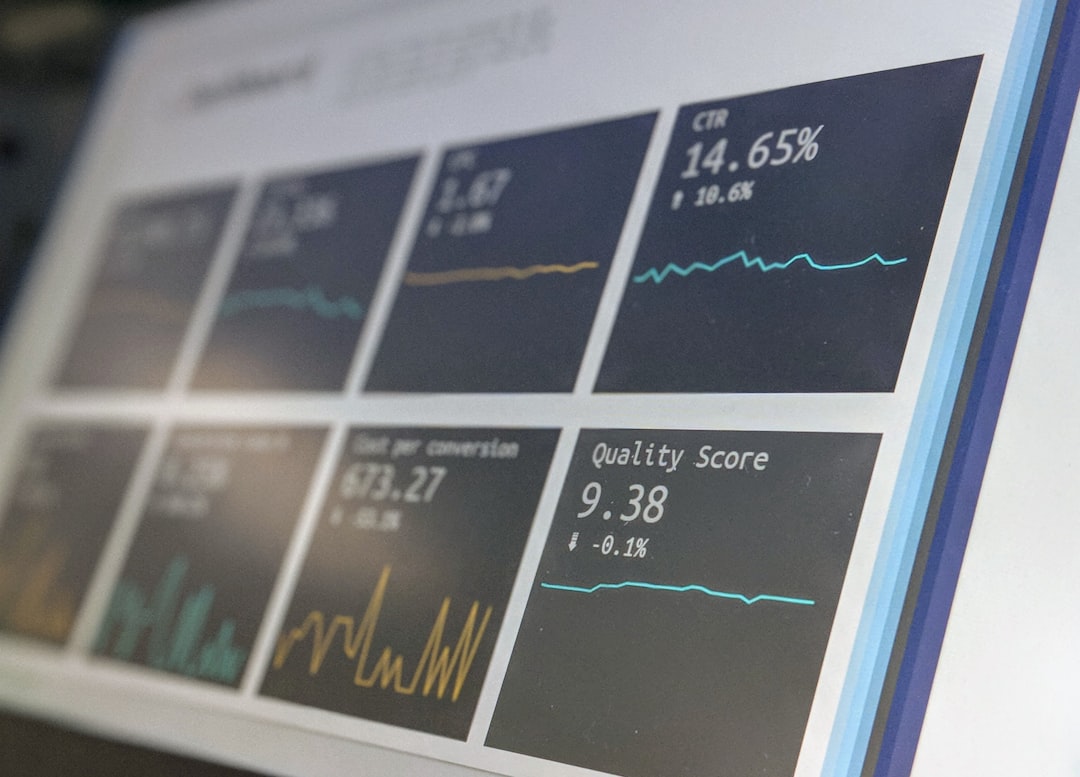
Once you’ve gathered customer feedback, the next step is analyzing it effectively to extract meaningful insights. This involves categorizing the feedback into themes or trends that can help identify common pain points or areas for improvement. Utilize data analysis tools or software that can help streamline this process by providing visual representations of the data collected.
By quantifying qualitative feedback, you can better understand the overall sentiment of your customer base and prioritize which issues need immediate attention. Acting on the feedback is equally important; it’s not enough to simply collect data without implementing changes based on what you’ve learned. Develop an action plan that outlines how you will address the key issues identified through customer feedback.
This could involve making adjustments to existing products or services, enhancing customer support processes, or even re-evaluating marketing strategies. Communicate these changes back to your customers so they know their voices have been heard and valued. This not only reinforces their trust in your brand but also encourages ongoing engagement as they see tangible results from their input.
Monitoring Progress and Making Adjustments
After implementing changes based on customer feedback, it’s crucial to monitor progress continuously and make necessary adjustments along the way. Establish key performance indicators (KPIs) that align with the goals set during the feedback process so you can measure the effectiveness of the changes made. Regularly review these metrics to assess whether the adjustments have led to improved customer satisfaction or if further modifications are needed.
Additionally, maintaining an ongoing dialogue with your customers post-implementation is essential for understanding how well the changes resonate with them. Continue soliciting feedback through follow-up surveys or informal check-ins to gauge their reactions to the adjustments made. This iterative process allows you to remain agile in responding to customer needs while reinforcing the idea that their opinions are integral to shaping your business direction.
Celebrating and Recognizing Improvements
Finally, celebrating and recognizing improvements resulting from customer feedback is an important aspect of fostering a positive relationship with your clientele. When you achieve milestones or successfully implement changes based on customer input, take the time to acknowledge these accomplishments publicly—whether through social media shout-outs, newsletters, or even special promotions. This not only highlights your commitment to listening but also reinforces the value of customer contributions.
Moreover, consider recognizing individual customers who have provided particularly insightful feedback by featuring them in case studies or testimonials. This personal touch not only makes those customers feel appreciated but also encourages others to share their thoughts knowing they could be acknowledged as well. Celebrating improvements creates a positive cycle where customers feel empowered to contribute further while reinforcing their loyalty to your brand as they witness tangible results from their input.
If you’re interested in understanding how feedback loops can influence business environments and personal productivity, you might find the article “Creating an Atmosphere of Peace” particularly enlightening. This piece explores how setting the right atmosphere can facilitate better feedback and communication, which are essential components of effective feedback loops. You can read more about this topic by visiting Creating an Atmosphere of Peace. This article provides insights into how a peaceful environment can enhance the receptivity and effectiveness of feedback, ultimately contributing to improved outcomes in both personal and professional settings.
FAQs
What is a feedback loop?
A feedback loop is a process in which the output of a system is returned to the input, which can either amplify or diminish the original input. This can create a self-perpetuating cycle of cause and effect.
How does a feedback loop work?
In a feedback loop, the output of a system is “fed back” as input, which can then affect the system’s behavior. This can either reinforce the original input (positive feedback) or counteract it (negative feedback).
What are examples of feedback loops in nature?
Examples of feedback loops in nature include the regulation of body temperature in mammals (negative feedback), the growth of populations in ecosystems (positive feedback), and the regulation of blood sugar levels in the human body (negative feedback).
How are feedback loops used in technology?
Feedback loops are used in technology for various purposes, such as in control systems for maintaining stability and regulating processes. They are also used in machine learning algorithms for improving performance based on previous outputs.
What are the implications of feedback loops in society?
Feedback loops can have significant implications in society, influencing behaviors, trends, and systems. They can contribute to the amplification of certain phenomena (such as social media echo chambers) or the stabilization of others (such as economic regulation).


