


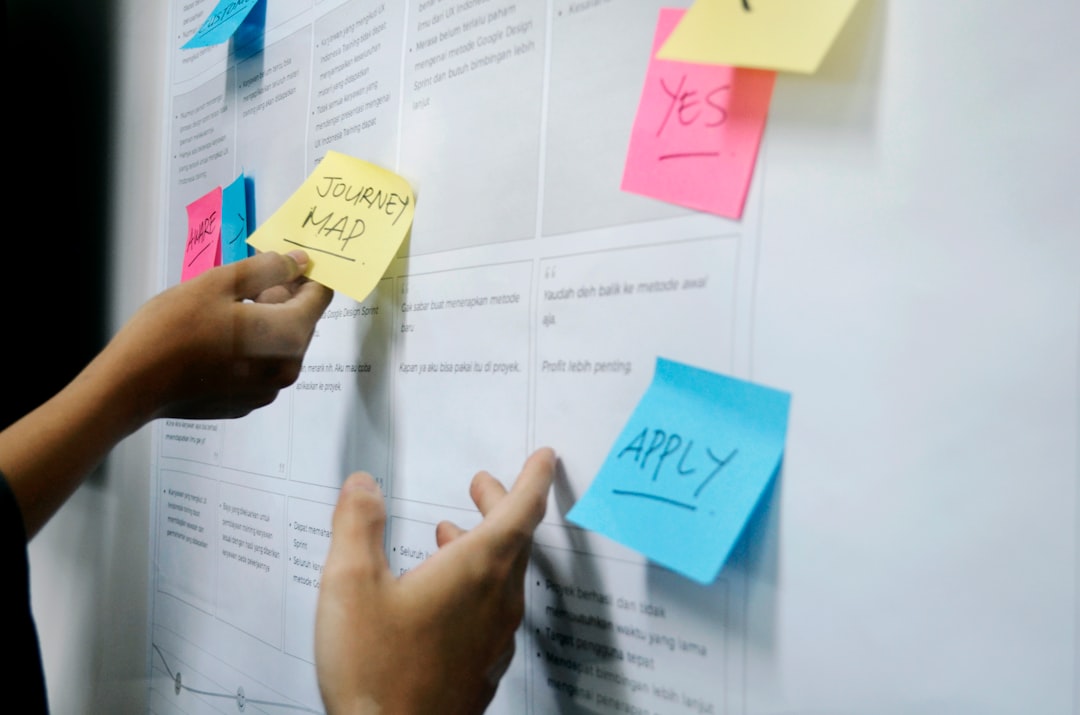
As business owners, we recognize that understanding the user experience is paramount to our success. The user experience encompasses every interaction a customer has with our brand, from the first moment they hear about us to their ongoing relationship with our products or services. We must delve deep into the psyche of our users, exploring their motivations, needs, and expectations.
By doing so, we can create a more tailored experience that resonates with them on a personal level. This understanding allows us to craft a narrative that speaks directly to our audience, ensuring that every touchpoint is meaningful and impactful. Moreover, we must consider the emotional journey our users embark upon when engaging with our brand.
Each interaction can evoke a range of feelings, from excitement and curiosity to frustration and confusion. By mapping out these emotional highs and lows, we can identify opportunities to enhance the user experience. We can create moments of delight that surprise and engage our customers, fostering loyalty and encouraging them to share their positive experiences with others.
Ultimately, by prioritizing the user experience, we position ourselves to build stronger relationships with our customers and drive long-term success.
Key Takeaways
- Understanding the User Experience is crucial for creating a successful website design.
- Identifying Key Touchpoints helps in understanding where users interact with the website.
- Mapping User Goals and Actions helps in aligning the website design with user needs.
- Analyzing User Pain Points is essential for addressing and resolving user frustrations.
- Designing a Seamless User Flow ensures a smooth and intuitive experience for users.
Identifying Key Touchpoints
In our quest to enhance the user experience, identifying key touchpoints becomes a critical step. Touchpoints are the various interactions that users have with our brand across different channels and platforms. These can range from social media engagements and website visits to customer service calls and in-store experiences.
By mapping out these touchpoints, we gain valuable insights into how users perceive our brand at each stage of their journey. This comprehensive view allows us to pinpoint areas where we can improve or innovate, ensuring that we meet our customers where they are. Furthermore, we must recognize that not all touchpoints hold equal weight in shaping the user experience.
Some interactions may be more influential than others, significantly impacting user perceptions and decisions. For instance, a seamless checkout process on our website may lead to higher conversion rates than a poorly designed landing page. By prioritizing these key touchpoints, we can allocate resources effectively and focus on enhancing the interactions that matter most.
This strategic approach enables us to create a cohesive and engaging user experience that drives customer satisfaction and loyalty.
Mapping User Goals and Actions
As we continue to refine our understanding of the user experience, mapping user goals and actions becomes essential. Users come to us with specific objectives in mind, whether it’s finding information, making a purchase, or seeking support. By identifying these goals, we can align our offerings with their needs, ensuring that we provide value at every stage of their journey.
This alignment not only enhances the user experience but also increases the likelihood of conversion and retention. In addition to understanding user goals, we must also analyze the actions users take to achieve those goals. This involves examining the steps they follow, the decisions they make, and the obstacles they encounter along the way.
By mapping these actions, we can identify patterns and trends that inform our strategies moving forward. For instance, if we notice that users frequently abandon their carts during checkout, it may indicate a need for simplification or additional support. By addressing these insights proactively, we can create a more intuitive user journey that guides customers seamlessly toward their desired outcomes.
Analyzing User Pain Points
| User Pain Points | Frequency | Impact |
|---|---|---|
| Slow website loading | High | High |
| Confusing navigation | Medium | High |
| Complicated checkout process | High | High |
| Poor mobile responsiveness | High | Medium |
As business owners committed to enhancing the user experience, analyzing user pain points is a crucial aspect of our journey mapping process. Pain points are the challenges or frustrations users encounter while interacting with our brand. These can manifest in various forms, such as confusing navigation on our website, long wait times for customer support, or unclear product information.
By identifying these pain points, we gain valuable insights into areas where we can improve and innovate. Moreover, understanding user pain points allows us to empathize with our customers and address their concerns effectively. We must approach this analysis with an open mind, actively seeking feedback from users through surveys, interviews, or usability testing.
By listening to their experiences and frustrations, we can uncover underlying issues that may not be immediately apparent. This empathetic approach not only helps us resolve existing pain points but also fosters a culture of continuous improvement within our organization. Ultimately, by addressing these challenges head-on, we can create a more positive user experience that builds trust and loyalty among our customers.
Designing a Seamless User Flow
With a comprehensive understanding of user goals and pain points in hand, we can now focus on designing a seamless user flow. A well-structured user flow guides customers through their journey in a logical and intuitive manner, minimizing friction and confusion along the way. We must consider each step users take as they interact with our brand, ensuring that transitions between touchpoints are smooth and cohesive.
This involves creating clear pathways for users to follow while providing them with the necessary information and support at each stage. In designing this seamless flow, we must also prioritize accessibility and inclusivity. Our goal is to create an experience that caters to diverse audiences with varying needs and preferences.
This may involve optimizing our website for mobile devices, ensuring compatibility with assistive technologies, or providing multiple channels for customer support. By embracing inclusivity in our design process, we not only enhance the user experience for all customers but also demonstrate our commitment to serving a broader audience. Ultimately, a seamless user flow fosters engagement and satisfaction while driving conversions and loyalty.
Incorporating User Feedback

The Importance of User Feedback
Incorporating user feedback is a crucial aspect of creating an exceptional user experience. By gathering insights into how users perceive our brand and interact with our offerings, we can refine our approach to meet their needs more effectively. This involves actively seeking input from customers through various channels, including surveys, reviews, and social media interactions.
Encouraging Open Dialogue and Analysis
Encouraging open dialogue with our customers allows us to gain a deeper understanding of their needs and preferences. By listening attentively to their experiences, we can identify areas for improvement and make data-driven decisions that enhance the overall experience. Analyzing trends in feedback is also essential, as it helps us identify common themes or recurring issues that require attention.
Responding to User Feedback and Building Trust
Responding to user feedback is vital in demonstrating our commitment to their satisfaction. For instance, if multiple users express frustration with a specific feature on our website, it may warrant further investigation and potential redesign. By addressing these concerns, we not only improve the user experience but also build trust and loyalty among our customers. This iterative approach ensures that we remain aligned with user expectations as we evolve our offerings over time.
Testing and Iterating the Journey Map
Once we have developed an initial journey map based on our research and insights, testing and iterating become essential steps in refining the user experience further. Testing allows us to validate our assumptions about how users interact with our brand while identifying areas for improvement. We can conduct usability tests with real users to observe their behaviors as they navigate through different touchpoints.
This hands-on approach provides us with direct feedback on what works well and what may need adjustment. Iteration is equally important in this process; it involves continuously refining our journey map based on testing results and ongoing feedback from users. As business owners committed to excellence, we must embrace a mindset of adaptability and openness to change.
The digital landscape is constantly evolving, as are user expectations; therefore, our journey map should be a living document that evolves alongside these shifts. By regularly revisiting and updating our map based on new insights or emerging trends, we ensure that we remain responsive to user needs while delivering an exceptional experience.
Implementing the Journey Map into Website Design
Finally, implementing the journey map into our website design is where all our efforts come together in a tangible way. The journey map serves as a blueprint for creating an intuitive and engaging online experience for users. We must ensure that every element of our website aligns with the insights gained from our mapping process—this includes navigation structures, content organization, visual design elements, and calls-to-action.
In this implementation phase, collaboration across teams becomes crucial; designers, developers, marketers, and customer support representatives must work together harmoniously to bring the journey map to life. By fostering cross-functional collaboration, we can ensure that all aspects of the website reflect a cohesive vision centered around enhancing the user experience. Additionally, ongoing monitoring of user interactions post-launch allows us to gather data on how well the new design meets user needs—this feedback loop will enable us to make further refinements as necessary.
In conclusion, as business owners dedicated to creating exceptional experiences for our customers, building out journeys across different business areas requires careful consideration of various factors—from understanding user experiences to implementing effective designs based on thorough research and feedback analysis. By following this comprehensive approach throughout each stage of the journey mapping process—identifying touchpoints; mapping goals; analyzing pain points; designing flows; incorporating feedback; testing iteratively; implementing thoughtfully—we position ourselves for success in today’s competitive landscape while fostering lasting relationships with our valued customers.
If you’re interested in enhancing your website’s user experience, you might find the concept of website journey mapping particularly useful. A related article that delves into creating an engaging and peaceful atmosphere on your website can be found at Creating an Atmosphere of Peace. This article explores how the right environment can significantly impact user interaction and satisfaction, which is a crucial element when considering the overall journey and experience of your website visitors.
FAQs
What is website journey mapping?
Website journey mapping is the process of visually representing the steps a user takes when interacting with a website. It helps to understand the user’s experience and identify areas for improvement.
Why is website journey mapping important?
Website journey mapping is important because it allows businesses to gain insights into the user experience, identify pain points, and optimize the website to improve user satisfaction and achieve business goals.
How is website journey mapping done?
Website journey mapping is typically done by creating visual representations, such as flowcharts or diagrams, that illustrate the user’s path through the website, including key touchpoints and interactions.
What are the benefits of website journey mapping?
The benefits of website journey mapping include improved user experience, increased customer satisfaction, higher conversion rates, and better alignment with business objectives.
What tools can be used for website journey mapping?
There are various tools available for website journey mapping, including customer journey mapping software, flowchart software, and even simple pen and paper. It ultimately depends on the specific needs and preferences of the business or individual conducting the mapping.


