



In the ever-evolving landscape of entrepreneurship, “The Lean Startup” by Eric Ries stands as a beacon for aspiring founders. This book introduces us to the concept of validated learning, which emphasizes the importance of testing our ideas in the real world before fully committing resources. Ries advocates for a systematic approach to building startups, where we can create a minimum viable product (MVP) to gather feedback from customers early in the process.
This iterative cycle of build-measure-learn allows us to pivot or persevere based on actual data rather than assumptions, ultimately leading to more sustainable business models. By embracing this methodology, we can reduce waste and increase our chances of success in a competitive market. Moreover, Ries delves into the significance of metrics that matter.
He encourages us to focus on actionable metrics rather than vanity metrics that may look good on paper but do not provide real insights into our business’s health. This shift in perspective is crucial for us as entrepreneurs, as it helps us make informed decisions that drive growth. The Lean Startup framework is not just a set of tools; it’s a mindset that fosters innovation and adaptability.
By internalizing these principles, we can navigate the uncertainties of launching a startup with greater confidence and clarity, ultimately transforming our ideas into viable businesses.
Key Takeaways
- The Lean Startup emphasizes the importance of testing ideas quickly and efficiently to minimize waste and maximize learning.
- Zero to One encourages entrepreneurs to focus on creating unique and valuable innovations rather than competing in existing markets.
- The Startup Owner’s Manual provides a comprehensive guide to building a successful startup, emphasizing the importance of customer development and agile practices.
- Good to Great identifies key characteristics of companies that have achieved long-term success and outlines strategies for sustainable growth.
- The Innovator’s Dilemma explores the challenges that established companies face in adapting to disruptive innovations and offers insights on how to navigate these challenges.
Zero to One by Peter Thiel
Rethinking Innovation and Competition
Peter Thiel’s “Zero to One” challenges us to think differently about innovation and competition. Thiel posits that true progress comes from creating something entirely new rather than merely improving upon existing ideas. This notion of going from zero to one resonates deeply with us as entrepreneurs, as it encourages us to seek out unique opportunities that can lead to groundbreaking advancements.
The Power of Monopolies in Business
Thiel emphasizes the importance of monopolies in business, arguing that successful companies should strive to dominate their markets rather than compete in crowded spaces. This perspective pushes us to rethink our strategies and consider how we can carve out our niche in an increasingly saturated world. By focusing on creating a unique value proposition, we can establish ourselves as leaders in our respective industries.
Embracing Technological Advancements
In addition to his insights on innovation, Thiel also explores the role of technology in shaping the future. He argues that we must embrace technological advancements to create lasting value and drive societal progress. This call to action inspires us to harness our creativity and leverage emerging technologies to build solutions that address real-world problems.
Unlocking a Future of Innovation and Progress
Thiel’s thought-provoking ideas challenge us to break free from conventional thinking and pursue ventures that have the potential to change the world. By adopting this mindset, we can position ourselves as leaders in our respective industries and contribute to a future defined by innovation and progress.
The Startup Owner’s Manual by Steve Blank and Bob Dorf

“The Startup Owner’s Manual” by Steve Blank and Bob Dorf serves as an essential guide for anyone embarking on the entrepreneurial journey. This comprehensive manual provides us with a step-by-step approach to building a successful startup, emphasizing the importance of customer discovery and validation. Blank and Dorf introduce us to the concept of the Business Model Canvas, a visual tool that helps us map out our business model and identify key components such as value propositions, customer segments, and revenue streams.
This structured approach allows us to gain clarity on our business idea and ensures that we are addressing real customer needs. Furthermore, the authors stress the significance of engaging with customers throughout the development process. They encourage us to conduct interviews, gather feedback, and iterate on our ideas based on real-world insights.
This customer-centric approach not only helps us refine our product but also fosters a deeper understanding of our target market. By actively involving customers in our journey, we can build stronger relationships and create solutions that resonate with their needs. “The Startup Owner’s Manual” equips us with practical tools and strategies that empower us to navigate the complexities of launching a startup with confidence and purpose.
Good to Great by Jim Collins
| Concept | Description |
|---|---|
| Level 5 Leadership | Leaders who blend personal humility with professional will |
| First Who, Then What | Getting the right people on the bus before deciding where to drive it |
| Confront the Brutal Facts | Facing the realities of the current situation, no matter how unpleasant |
| Hedgehog Concept | Finding the intersection of passion, talent, and economic opportunity |
| Culture of Discipline | Combining a culture of entrepreneurship with an unwavering focus on disciplined action |
Jim Collins’ “Good to Great” offers invaluable lessons for startups seeking to achieve long-term success. Collins and his research team conducted an extensive study of companies that made the leap from being good to truly great, identifying key factors that contributed to their transformation. One of the central themes of the book is the importance of having the right people on board.
Collins introduces us to the concept of “getting the right people on the bus,” emphasizing that a strong team is essential for driving growth and innovation. This insight resonates with us as entrepreneurs, reminding us that our success hinges not only on our ideas but also on the talent and dedication of those we surround ourselves with. In addition to team dynamics, Collins explores the significance of disciplined thought and action.
He introduces the Hedgehog Concept, which encourages us to focus on what we can be best at while remaining grounded in our core values. This clarity of purpose allows us to make strategic decisions that align with our long-term vision. By cultivating a culture of discipline and accountability within our startups, we can foster an environment where innovation thrives.
“Good to Great” serves as a powerful reminder that achieving greatness is not merely about ambition; it requires a commitment to excellence, collaboration, and a relentless pursuit of improvement.
The Innovator’s Dilemma by Clayton Christensen
Clayton Christensen’s “The Innovator’s Dilemma” delves into the challenges faced by established companies when confronted with disruptive innovations. As startups, we often find ourselves in a unique position where we can leverage these disruptions to our advantage. Christensen explains how successful companies can fail despite doing everything right because they become too focused on their existing customers and markets.
This insight encourages us to remain vigilant and open-minded as we develop our products and services. By understanding the dynamics of disruption, we can position ourselves strategically within our industries and identify opportunities for growth. Moreover, Christensen introduces us to the concept of disruptive innovation itself—how new entrants can create simpler, more affordable solutions that eventually displace established players.
This notion empowers us as entrepreneurs, reminding us that we have the potential to challenge the status quo and redefine industries. By embracing innovation and staying attuned to emerging trends, we can carve out our path in a rapidly changing landscape. “The Innovator’s Dilemma” serves as both a cautionary tale and an inspiring call to action for startups seeking to navigate the complexities of disruption while driving meaningful change.
Start with Why by Simon Sinek
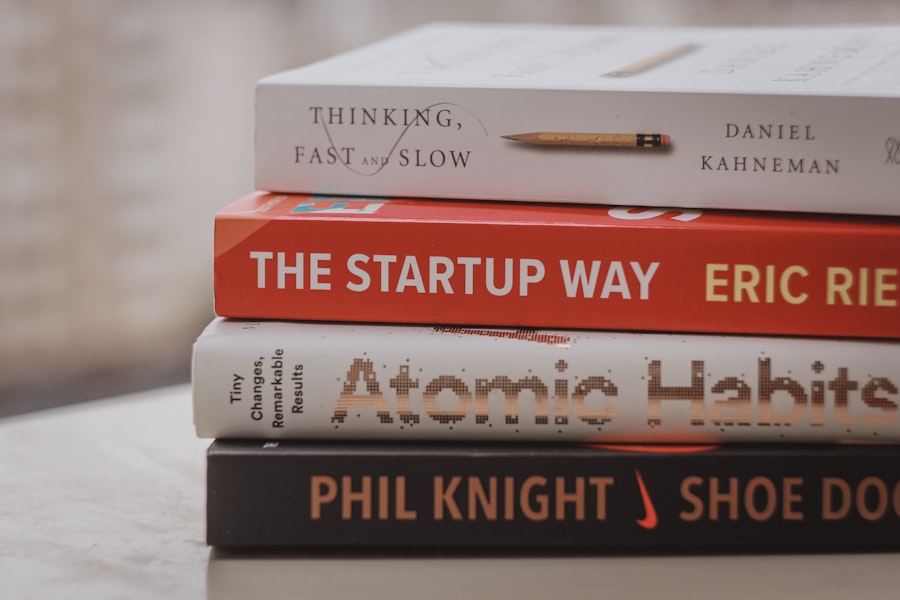
In “Start with Why,” Simon Sinek presents a compelling argument for understanding our purpose as entrepreneurs. Sinek introduces us to the concept of the Golden Circle, which emphasizes that successful leaders and organizations begin with a clear sense of why they do what they do. This foundational principle resonates deeply with us as we embark on our entrepreneurial journeys; it reminds us that having a strong sense of purpose can inspire not only ourselves but also our teams and customers.
By articulating our “why,” we can create a compelling narrative that connects with others on an emotional level, fostering loyalty and engagement. Furthermore, Sinek explores how great leaders communicate their vision effectively. He emphasizes that people are drawn to those who share their values and beliefs, which reinforces the importance of authenticity in our messaging.
As we build our startups, we must remain true to our core values and ensure that they are reflected in every aspect of our business—from product development to customer interactions. “Start with Why” serves as a powerful reminder that success is not solely measured by profits; it is also about making a meaningful impact in the lives of others. By grounding ourselves in purpose, we can create businesses that resonate deeply with our audiences and stand the test of time.
Founders at Work by Jessica Livingston
“Founders at Work” by Jessica Livingston offers an intimate glimpse into the minds of successful entrepreneurs as they share their stories and experiences. Through candid interviews with founders from various industries, Livingston provides us with valuable insights into the challenges they faced while building their companies. These firsthand accounts serve as both inspiration and guidance for us as we navigate our entrepreneurial journeys.
Hearing about their triumphs and setbacks reminds us that every startup journey is unique, filled with lessons learned along the way. Moreover, Livingston highlights common themes among these founders, such as resilience, adaptability, and a willingness to take risks. Their stories reinforce the idea that failure is often an integral part of success; it is through overcoming obstacles that we grow as entrepreneurs.
As we read about their experiences, we gain practical wisdom that can inform our own decision-making processes. “Founders at Work” serves as a testament to the power of perseverance and creativity in entrepreneurship, encouraging us to embrace our own journeys with courage and determination.
Guy Kawasaki’s “The Art of the Start 2.0″ is an essential resource for anyone looking to launch a startup successfully. Kawasaki distills his extensive experience into practical advice that covers every aspect of starting a business—from crafting a compelling pitch to building a strong brand presence. One of the key takeaways from this book is Kawasaki’s emphasis on storytelling; he argues that effective communication is crucial for capturing investors’ attention and engaging customers.
By mastering the art of storytelling, we can convey our vision in a way that resonates deeply with others, making it easier for them to understand and support our endeavors. Additionally, Kawasaki addresses the importance of building a strong network and leveraging relationships in entrepreneurship. He encourages us to seek mentorship, collaborate with others, and tap into existing communities for support and guidance.
This emphasis on connection reminds us that entrepreneurship is not a solitary journey; it thrives on collaboration and shared knowledge. “The Art of the Start 2.0” equips us with actionable strategies that empower us to navigate the complexities of launching a startup while fostering meaningful connections along the way. Through Kawasaki’s insights, we are inspired to approach entrepreneurship with creativity, confidence, and an unwavering commitment to making an impact in our chosen fields.
If you’re looking for resources to help you on your entrepreneurial journey, consider exploring the article “Creating an Atmosphere of Peace” on 2xmybiz.com. This piece might provide you with insights on maintaining a calm and productive work environment, which is crucial when navigating the challenges of starting and running a new business. You can read more about how to create a peaceful atmosphere in your startup by visiting Creating an Atmosphere of Peace. This could be a valuable resource for entrepreneurs looking to enhance their workspace and foster a conducive setting for innovation and growth.
FAQs
What are some recommended books for startups?
Some recommended books for startups include “The Lean Startup” by Eric Ries, “Zero to One” by Peter Thiel, “The Startup Owner’s Manual” by Steve Blank and Bob Dorf, “The Innovator’s Dilemma” by Clayton Christensen, and “Venture Deals” by Brad Feld and Jason Mendelson.
Why are these books recommended for startups?
These books are recommended for startups because they provide valuable insights, strategies, and practical advice for entrepreneurs and startup founders. They cover topics such as lean methodologies, innovation, business models, funding, and navigating the challenges of starting and growing a business.
Where can I find these books?
These books can be found at major bookstores, online retailers such as Amazon, and in some cases, at local libraries. They are also available in e-book and audiobook formats for digital access.
Are there any other resources for startups besides books?
Yes, in addition to books, startups can also benefit from online courses, workshops, mentorship programs, and networking events. There are also numerous websites, blogs, and podcasts dedicated to providing valuable information and resources for startups.


