


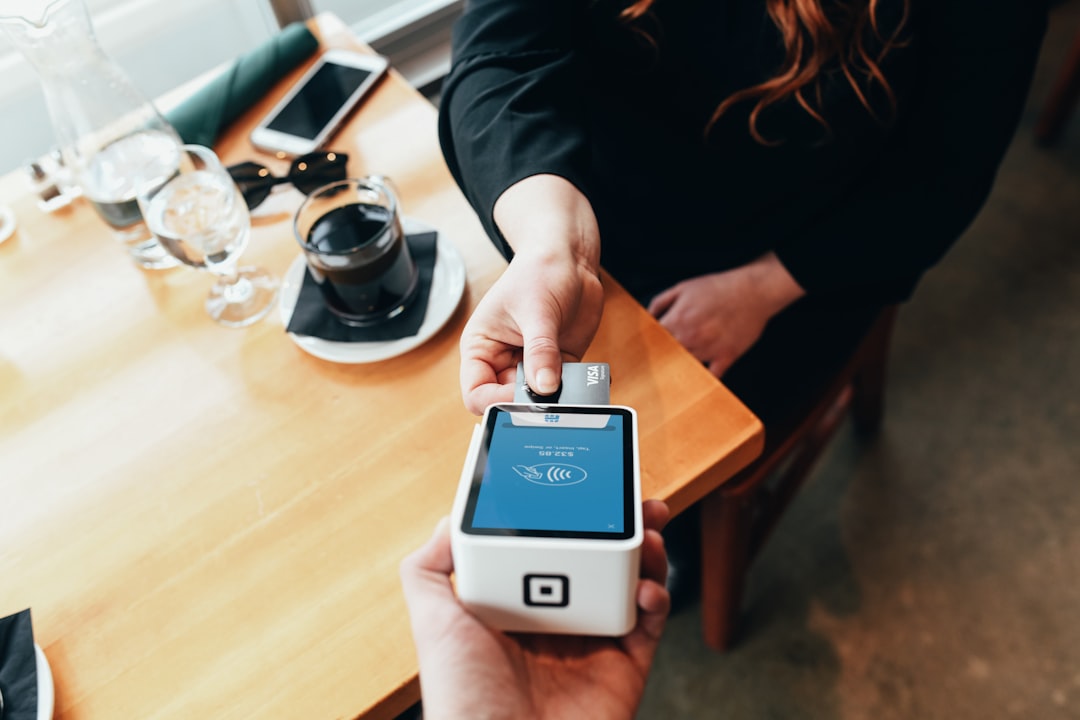
In the ever-evolving landscape of business, understanding the customer journey has become a pivotal aspect of our strategy. Customer journey mapping is a visual representation of the process that customers go through when interacting with our brand, from the initial awareness stage to the final purchase and beyond. By creating a detailed map of this journey, we can gain insights into our customers’ experiences, preferences, and pain points.
This process not only helps us identify areas for improvement but also allows us to tailor our marketing efforts to better meet the needs of our target audience. As we embark on this journey of mapping, we recognize that it is not merely a one-time exercise but an ongoing process that requires continuous refinement and adaptation. As we delve deeper into customer journey mapping, we realize that it encompasses various stages and touchpoints that customers encounter along their path.
Each interaction, whether it be through social media, email, or in-store experiences, contributes to their overall perception of our brand. By understanding these interactions, we can create a more cohesive and engaging experience for our customers. This understanding is crucial in today’s competitive market, where consumers have numerous options at their fingertips.
Therefore, we must prioritize customer journey mapping as a fundamental component of our business strategy to foster loyalty and drive growth.
Key Takeaways
- Customer journey mapping is a visual representation of the customer’s experience with a business, from initial contact to the final purchase and beyond.
- Understanding the path to purchase is crucial for businesses to identify opportunities for improvement and to provide a seamless customer experience.
- Customer touchpoints are the various interactions a customer has with a business, including online and offline channels, and they play a key role in shaping the customer journey.
- Analyzing customer behavior at each touchpoint helps businesses understand customer preferences, pain points, and opportunities for engagement.
- Data is essential for mapping the customer journey, as it provides insights into customer behavior, preferences, and interactions with the business.
The Importance of Understanding the Path to Purchase
Understanding the Customer’s Journey
Understanding the path to purchase is crucial for business owners as it allows us to see the world through our customers’ eyes. By mapping out this journey, we can identify the various stages that lead a potential customer from awareness to decision-making. This insight enables us to create targeted Marketing strategies that resonate with our audience at each stage of their journey.
Creating Targeted Marketing Strategies
For instance, we can develop content that addresses their specific needs and concerns, ultimately guiding them toward making a purchase. Moreover, by recognizing the emotional triggers that influence their decisions, we can craft messages that connect on a deeper level, fostering trust and loyalty. This approach enables us to build strong relationships with our customers and increase the chances of conversion.
Identifying and Overcoming Roadblocks
Comprehending the path to purchase also helps us identify potential roadblocks that may hinder our customers from completing their transactions. By analyzing these obstacles, we can implement solutions that streamline the purchasing process and enhance the overall customer experience. For example, if we notice that customers frequently abandon their shopping carts at a particular stage, we can investigate the reasons behind this behavior and make necessary adjustments.
Improving Conversion Rates and Customer Satisfaction
This proactive approach not only improves conversion rates but also demonstrates our commitment to understanding and meeting our customers’ needs. By continuously monitoring and refining the purchasing process, we can ensure that our customers have a seamless and enjoyable experience, leading to increased loyalty and long-term success.
Identifying Customer Touchpoints

Identifying customer touchpoints is a critical step in our journey mapping process. Touchpoints are the various interactions that customers have with our brand throughout their journey. These can range from online advertisements and social media posts to in-store visits and customer service interactions.
By cataloging these touchpoints, we can gain a comprehensive view of how customers engage with us at different stages of their journey. This understanding allows us to prioritize which touchpoints require more attention and resources to enhance the overall customer experience. Moreover, recognizing touchpoints enables us to create a more integrated approach to our marketing efforts.
For instance, if we identify that social media is a significant touchpoint for our audience, we can develop targeted campaigns that leverage this platform effectively. Additionally, by ensuring consistency across all touchpoints, we can reinforce our brand message and create a seamless experience for our customers. This consistency not only builds trust but also encourages repeat business as customers feel more connected to our brand.
Analyzing Customer Behavior at Each Touchpoint
| Touchpoint | Metrics | Data |
|---|---|---|
| Website | Page views | 10,000 |
| Social Media | Engagement rate | 5% |
| Open rate | 20% | |
| Customer Service | Response time | 30 minutes |
Once we have identified the various customer touchpoints, the next step is to analyze customer behavior at each of these interactions. This analysis provides us with valuable insights into how customers engage with our brand and what influences their decisions at each stage of their journey. By examining metrics such as engagement rates, conversion rates, and customer feedback, we can gain a clearer understanding of what works and what doesn’t.
This data-driven approach allows us to make informed decisions about where to focus our efforts for maximum impact. Furthermore, analyzing customer behavior helps us uncover patterns and trends that may not be immediately apparent. For example, we might discover that customers who engage with our content on social media are more likely to convert than those who only visit our website.
Armed with this knowledge, we can allocate resources more effectively and develop strategies that capitalize on these insights. By continuously monitoring and analyzing customer behavior at each touchpoint, we can adapt our approach in real-time, ensuring that we remain responsive to our customers’ needs.
Using Data to Map the Customer Journey
Data plays a crucial role in mapping the customer journey effectively. By leveraging analytics tools and customer feedback mechanisms, we can gather quantitative and qualitative data that informs our understanding of the customer experience. This data allows us to visualize the journey in a way that highlights key trends and insights.
For instance, we can track how long customers spend at each touchpoint or identify which channels drive the most traffic to our website. This information is invaluable as it helps us pinpoint areas for improvement and optimize our marketing strategies accordingly. Moreover, using data to map the customer journey enables us to create more personalized experiences for our customers.
By analyzing past behaviors and preferences, we can tailor our communications and offers to meet individual needs. For example, if we notice that a segment of our audience frequently engages with specific product categories, we can send targeted promotions or recommendations that align with their interests. This level of personalization not only enhances the customer experience but also increases the likelihood of conversion as customers feel understood and valued.
Strategies for Improving the Customer Experience

Improving the customer experience is an ongoing endeavor that requires us to be proactive and innovative in our approach. One effective strategy is to implement feedback loops that allow us to gather insights directly from our customers. By encouraging them to share their thoughts and experiences through surveys or reviews, we can gain valuable feedback on what they appreciate about our brand and where they see room for improvement.
This direct line of communication fosters a sense of community and shows our customers that their opinions matter. Another strategy involves leveraging technology to enhance the customer experience at various touchpoints. For instance, implementing chatbots on our website can provide instant support for customers seeking assistance or information.
Additionally, utilizing CRM systems allows us to track customer interactions and preferences over time, enabling us to deliver more personalized experiences. By embracing technology in this way, we can streamline processes and create a more efficient experience for our customers while also freeing up resources for other critical areas of our business.
Implementing Customer Journey Mapping in Your Business
Implementing customer journey mapping in our business requires a collaborative effort across all departments. It begins with gathering input from various teams—marketing, sales, customer service, and product development—to ensure a holistic view of the customer experience. By involving multiple perspectives, we can create a more comprehensive map that reflects the diverse interactions customers have with our brand.
This collaborative approach fosters alignment among teams and ensures that everyone is working toward a common goal: enhancing the customer experience. Once we have developed our customer journey map, it is essential to communicate it effectively throughout the organization. By sharing insights and findings with all employees, we can cultivate a customer-centric culture where everyone understands their role in shaping the customer experience.
Regular training sessions and workshops can help reinforce this culture and encourage employees to think critically about how their actions impact customers at each touchpoint. Ultimately, by embedding customer journey mapping into our organizational practices, we can create a more responsive and agile business that adapts to changing customer needs.
Measuring the Success of Customer Journey Mapping
Measuring the success of our customer journey mapping efforts is crucial for understanding its impact on our business outcomes. Key performance indicators (KPIs) such as customer satisfaction scores, Net Promoter Scores (NPS), conversion rates, and retention rates provide valuable insights into how well we are meeting customer expectations. By regularly tracking these metrics, we can assess whether our initiatives are driving positive results or if adjustments are needed.
Additionally, qualitative feedback from customers can offer deeper insights into their experiences with our brand. Conducting interviews or focus groups allows us to gather rich narratives about their journeys and identify specific areas where we excel or fall short. By combining quantitative data with qualitative insights, we can develop a more nuanced understanding of the effectiveness of our customer journey mapping efforts.
Ultimately, this ongoing evaluation process enables us to refine our strategies continually and ensure that we are delivering exceptional experiences that resonate with our customers. In conclusion, as business owners navigating the complexities of today’s market, embracing customer journey mapping is essential for fostering meaningful connections with our audience. By understanding the path to purchase, identifying touchpoints, analyzing behavior, leveraging data, improving experiences, implementing strategies collaboratively, and measuring success effectively, we position ourselves for sustained growth and success in an increasingly competitive landscape.
If you’re interested in enhancing your understanding of the customer journey and how to optimize it for better engagement and sales, you might find the article “Creating an Atmosphere of Peace” particularly insightful. This piece discusses the importance of crafting a welcoming and peaceful environment that can significantly influence customer perceptions and interactions with your brand. You can read more about these strategies and their impact on the customer experience by visiting Creating an Atmosphere of Peace. This article provides valuable insights that can help you improve your customer journey mapping and overall business strategy.
FAQs
What is a customer journey?
A customer journey is the process a customer goes through when interacting with a company or brand, from the initial awareness stage to the final purchase and beyond.
Why is the customer journey important?
Understanding the customer journey is important for businesses as it helps them to identify and address pain points, improve customer experience, and ultimately increase customer satisfaction and loyalty.
What are the stages of the customer journey?
The stages of the customer journey typically include awareness, consideration, purchase, retention, and advocacy. These stages may vary slightly depending on the industry and type of business.
How can businesses map the customer journey?
Businesses can map the customer journey by gathering data from various touchpoints, such as website interactions, social media engagement, and customer feedback. This data can then be used to create a visual representation of the customer journey.
What are some common touchpoints in the customer journey?
Common touchpoints in the customer journey include social media, websites, email marketing, customer service interactions, and in-person interactions at physical locations.
How can businesses improve the customer journey?
Businesses can improve the customer journey by personalizing interactions, providing seamless omni-channel experiences, and actively seeking and acting on customer feedback. Additionally, offering relevant and timely information can also enhance the customer journey.


