


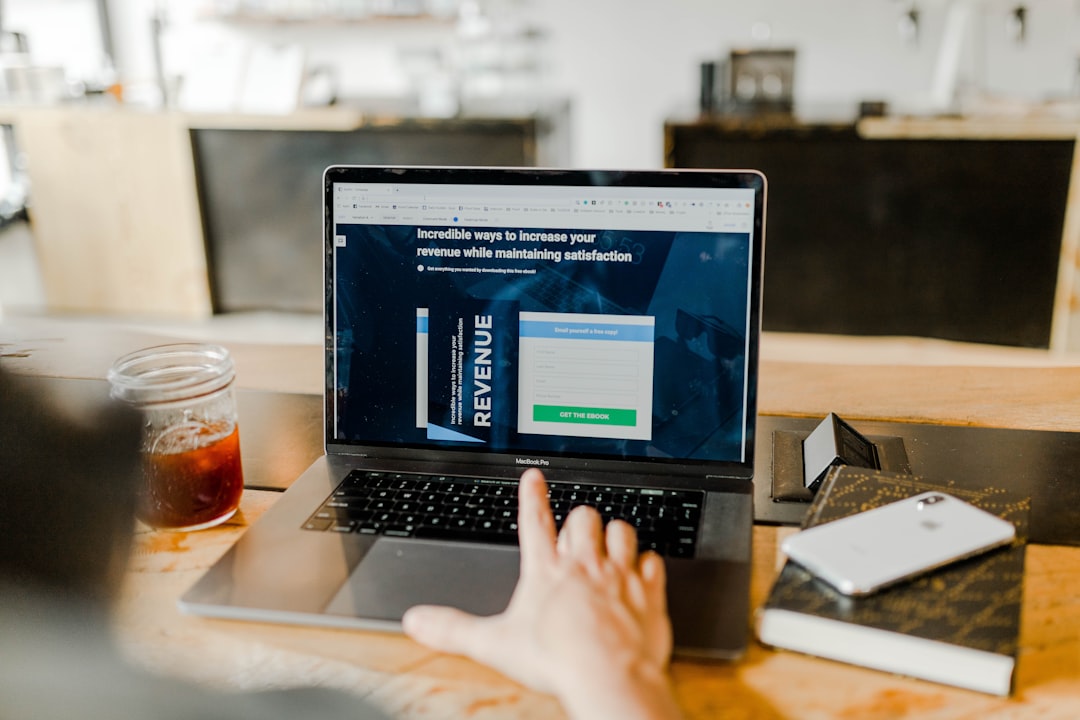
As business owners and founders, we often find ourselves navigating the complex landscape of customer acquisition and retention. At the heart of this journey lies the marketing funnel, a conceptual model that illustrates the stages potential customers go through before making a purchase. Understanding this funnel is crucial for us, as it allows us to tailor our strategies to meet the needs of our audience at each stage.
The funnel typically consists of several key phases: awareness, interest, consideration, intent, evaluation, and purchase. By grasping how these stages interconnect, we can create a more effective sales strategy that resonates with our target market. The marketing funnel serves as a roadmap for our marketing efforts.
It helps us visualize the customer journey from the moment they first hear about our brand to the point where they become loyal customers. Each stage of the funnel requires different tactics and approaches. For instance, in the awareness stage, our goal is to attract potential customers and make them aware of our products or services.
As they move down the funnel, we need to engage them further, nurturing their interest and guiding them toward making a purchase decision. By understanding this progression, we can develop targeted campaigns that address the specific needs and concerns of our audience at every step.
Key Takeaways
- The marketing funnel is a model that represents the customer journey from awareness to purchase and beyond.
- Attracting potential customers involves creating compelling content and utilizing various channels to reach and capture their interest.
- Engaging and nurturing leads requires building relationships through personalized communication and providing valuable information.
- Converting leads into customers involves guiding them through the decision-making process and addressing any concerns or objections they may have.
- Retaining and delighting customers is essential for long-term success, and can be achieved through exceptional customer service and ongoing value delivery.
Attracting Potential Customers
To effectively attract potential customers, we must first identify our target audience. This involves conducting thorough market research to understand their demographics, preferences, and pain points. By creating detailed buyer personas, we can tailor our marketing messages to resonate with our ideal customers.
Once we have a clear picture of who we are trying to reach, we can implement various strategies to draw them into our funnel. Content marketing, social media engagement, and search engine optimization (SEO) are just a few tactics we can employ to increase our visibility and attract potential leads.
Platforms like Google Ads and social media advertising allow us to target specific audiences based on their interests and behaviors. By crafting compelling ad copy and eye-catching visuals, we can capture the attention of potential customers and encourage them to learn more about our offerings. Furthermore, hosting webinars or creating valuable resources such as eBooks can position us as thought leaders in our industry, attracting individuals who are seeking solutions to their problems.
Engaging and Nurturing Leads

Once we have attracted potential customers into our funnel, the next step is to engage and nurture these leads. This is where relationship-building becomes essential. We need to provide value through personalized communication and relevant content that addresses their specific needs.
Email marketing is a powerful tool for nurturing leads; by sending targeted emails that offer insights, tips, or exclusive offers, we can keep our brand top-of-mind while guiding them further down the funnel. In addition to email marketing, we should also consider utilizing social media platforms to engage with our audience. Responding to comments, sharing user-generated content, and participating in discussions can help us build a community around our brand.
By fostering genuine connections with our leads, we create an environment where they feel valued and understood. This not only enhances their experience but also increases the likelihood of conversion as they move closer to making a purchase decision.
Converting Leads into Customers
| Month | Leads Generated | Leads Converted | Conversion Rate |
|---|---|---|---|
| January | 150 | 30 | 20% |
| February | 200 | 40 | 20% |
| March | 180 | 45 | 25% |
Converting leads into customers is often seen as the most critical stage of the marketing funnel. To achieve this, we must ensure that our sales process is seamless and user-friendly. This includes optimizing our website for conversions by having clear calls-to-action (CTAs), easy navigation, and a straightforward checkout process.
We should also consider offering incentives such as discounts or free trials to encourage leads to take that final step toward making a purchase. Moreover, addressing any objections or concerns that potential customers may have is vital during this stage. We can do this by providing comprehensive product information, customer testimonials, and case studies that showcase the value of our offerings.
By building trust and demonstrating how our products or services can solve their problems, we increase the likelihood of converting leads into loyal customers.
Retaining and Delighting Customers
Once we have successfully converted leads into customers, our focus should shift toward retention and delighting them. Customer retention is not only more cost-effective than acquiring new customers but also fosters brand loyalty and advocacy. To achieve this, we must continue providing exceptional value even after the sale.
This can be done through excellent customer service, follow-up communications, and loyalty programs that reward repeat purchases. Additionally, seeking feedback from our customers is crucial for understanding their experiences and identifying areas for improvement. By actively listening to their suggestions and concerns, we can make necessary adjustments to enhance their overall experience with our brand.
When customers feel valued and appreciated, they are more likely to become repeat buyers and refer others to our business.
Analyzing and Optimizing the Funnel

To ensure the effectiveness of our sales funnel, we must regularly analyze its performance and optimize it based on data-driven insights.
Tracking Key Metrics
This involves tracking key metrics such as conversion rates, customer acquisition costs, and customer lifetime value. By analyzing these metrics, we can identify bottlenecks in the funnel where potential customers may be dropping off and make informed decisions on how to address these issues.
The Power of A/B Testing
A/B testing is an invaluable tool in this optimization process. By experimenting with different elements of our marketing strategies—such as email subject lines, landing page designs, or ad copy—we can determine what resonates best with our audience.
Continuous Improvement for Better Results
Continuous improvement is essential for staying competitive in today’s fast-paced market; by regularly assessing and refining our funnel based on real-time data, we can enhance its effectiveness and drive better results.
Utilizing Automation and Personalization
In today’s digital landscape, automation and personalization are key components of an effective sales funnel. As business owners and founders, we can leverage marketing automation tools to streamline repetitive tasks such as email campaigns, social media posting, and lead scoring. This not only saves us time but also allows us to focus on more strategic initiatives that drive growth.
Personalization plays a significant role in enhancing the customer experience throughout the funnel. By utilizing data analytics, we can segment our audience based on their behaviors and preferences, allowing us to deliver tailored content that speaks directly to their needs. Personalized emails that address recipients by name or recommend products based on past purchases can significantly increase engagement rates and drive conversions.
Implementing A/B Testing and Continuous Improvement
Finally, implementing A/B testing as part of our continuous improvement strategy is essential for optimizing our sales funnel. This process involves comparing two versions of a marketing element—such as a landing page or email—to determine which one performs better in terms of conversion rates or engagement metrics. By systematically testing different variables, we can gain valuable insights into what resonates with our audience.
Continuous improvement should be ingrained in our company culture. We must remain open to feedback from both customers and team members while staying informed about industry trends and best practices. By fostering a mindset of experimentation and learning within our organization, we can adapt quickly to changing market conditions and ensure that our sales funnel remains effective in driving growth for our business.
In conclusion, creating an effective sales funnel requires a deep understanding of each stage of the customer journey—from attracting potential customers to retaining loyal ones. By employing targeted strategies at every phase and continuously analyzing performance metrics, we can optimize our approach for maximum impact. Embracing automation and personalization will further enhance the customer experience while A/B testing allows us to refine our tactics over time.
As business owners and founders committed to growth, let’s leverage these insights to build robust sales funnels that drive success for our ventures.
If you’re interested in learning more about how to effectively structure your marketing and sales funnel, you might find the article on “Creating an Atmosphere of Peace” insightful. Although it primarily focuses on creating a peaceful environment, the principles discussed can be subtly integrated into how you design your marketing strategies to ensure a smooth and stress-free journey for your customers through the sales funnel. You can read more about these strategies by visiting Creating an Atmosphere of Peace.
FAQs
What is a marketing funnel?
A marketing funnel is a model that represents the stages a customer goes through before making a purchase. It typically includes the stages of awareness, interest, consideration, intent, evaluation, and purchase.
What is a sales funnel?
A sales funnel is a visual representation of the customer journey from initial contact to the final purchase. It includes stages such as lead generation, lead nurturing, and conversion.
What is the difference between a marketing funnel and a sales funnel?
The marketing funnel focuses on the entire customer journey, from initial awareness to the decision to purchase, while the sales funnel specifically focuses on the stages leading up to the purchase, such as lead generation and conversion.
What are the stages of a marketing funnel?
The stages of a marketing funnel typically include awareness, interest, consideration, intent, evaluation, and purchase.
What are the stages of a sales funnel?
The stages of a sales funnel typically include lead generation, lead nurturing, and conversion.
How are marketing funnels and sales funnels used in business?
Marketing funnels and sales funnels are used to understand and optimize the customer journey, improve conversion rates, and ultimately increase sales and revenue for a business.
What are some common strategies for optimizing marketing and sales funnels?
Common strategies for optimizing marketing and sales funnels include creating targeted content for each stage of the funnel, implementing lead nurturing campaigns, and analyzing and adjusting the funnel based on data and customer feedback.


