


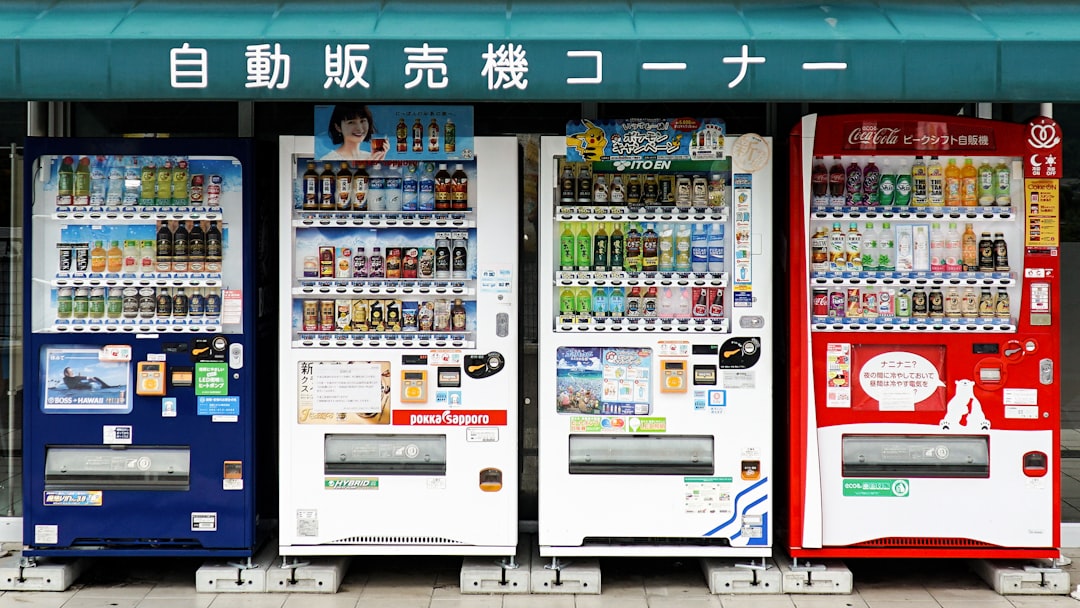
As we delve into the vending machine market, we must first recognize its dynamic nature and the opportunities it presents for business owners. The vending machine industry has evolved significantly over the years, transitioning from simple snack dispensers to sophisticated machines that offer a wide range of products, including healthy options, beverages, and even electronics. This evolution has been driven by changing consumer preferences and technological advancements, making it essential for us to stay informed about market trends and customer demands.
By understanding the current landscape, we can position ourselves to capitalize on emerging opportunities and cater to the needs of our target audience. Moreover, we should consider the competitive landscape within the vending machine sector. With numerous players vying for market share, it is crucial for us to identify our unique selling proposition (USP) that sets us apart from the competition.
This could involve offering niche products, superior customer service, or innovative vending solutions that enhance user experience. By conducting thorough market research and analyzing competitors, we can gain valuable insights that will inform our business strategies and help us carve out a profitable niche in this ever-evolving industry.
Key Takeaways
- The vending machine market is a growing industry with a wide range of opportunities for entrepreneurs.
- Choosing the right location for your vending machine is crucial for success, as foot traffic and consumer demographics play a key role in sales.
- Selecting the most profitable products to stock in your vending machine requires market research and understanding consumer preferences.
- Implementing effective pricing strategies, such as competitive pricing and bundling, can help maximize profits and attract customers.
- Regular maintenance and servicing of vending machines is essential to ensure smooth operations and customer satisfaction.
Choosing the Right Location for Your Vending Machine
Selecting the right location for our vending machines is one of the most critical decisions we will make as business owners. The success of our vending operations largely hinges on foot traffic and visibility. High-traffic areas such as schools, office buildings, hospitals, and shopping centers are prime spots where we can maximize our sales potential.
By strategically placing our machines in locations frequented by our target demographic, we can significantly increase our chances of generating higher revenue. In addition to foot traffic, we must also consider the demographics of the area where we plan to install our machines. Understanding the preferences and purchasing habits of the local population will enable us to tailor our product offerings accordingly.
For instance, if we place a vending machine in a gym, stocking it with healthy snacks and protein shakes would likely yield better results than traditional candy bars. By aligning our product selection with the needs of our customers, we can enhance customer satisfaction and drive repeat business.
Selecting the Most Profitable Products to Stock

Once we have secured a prime location for our vending machines, the next step is to carefully select the products we will offer. The key to maximizing profitability lies in understanding consumer preferences and trends. We should conduct market research to identify which products are in high demand within our target demographic.
This could involve analyzing sales data from similar vending machines or conducting surveys to gather insights directly from potential customers. Additionally, we should consider diversifying our product offerings to cater to various tastes and dietary preferences. By stocking a mix of traditional snacks, healthy options, beverages, and even specialty items like organic or gluten-free products, we can appeal to a broader audience.
It’s also essential for us to regularly review our inventory and sales performance to identify underperforming items. By replacing slow-moving products with more popular alternatives, we can optimize our stock and ensure that our vending machines remain profitable.
Implementing Effective Pricing Strategies
| Metrics | Definition | Importance |
|---|---|---|
| Customer Segmentation | The process of dividing customers into groups based on characteristics | Helps in targeting specific customer needs and setting prices accordingly |
| Competitive Analysis | Evaluating the strengths and weaknesses of competitors | Assists in setting competitive prices and differentiating from rivals |
| Price Elasticity | Measure of how demand for a product changes with price | Guides in determining optimal pricing to maximize revenue |
| Value-Based Pricing | Setting prices based on the perceived value to the customer | Ensures customers are willing to pay for the benefits received |
Pricing is a crucial factor that can significantly impact our vending machine sales. To maximize revenue, we need to implement effective pricing strategies that strike a balance between competitiveness and profitability. One approach is to conduct a pricing analysis of similar products offered by competitors in the area.
By understanding the price points that resonate with customers, we can set our prices accordingly while ensuring that we maintain healthy profit margins. Moreover, we should consider employing psychological pricing techniques to encourage purchases. For instance, pricing items at $1.99 instead of $2.00 can create a perception of value in the minds of consumers.
Additionally, offering bundle deals or discounts for multiple purchases can incentivize customers to buy more at once. By experimenting with different pricing strategies and monitoring their impact on sales, we can refine our approach and optimize revenue generation.
Maintaining and Servicing Your Vending Machines
To ensure the long-term success of our vending machine business, regular maintenance and servicing are paramount. A well-maintained machine not only enhances customer satisfaction but also minimizes downtime and repair costs. We should establish a routine maintenance schedule that includes cleaning the machines, checking inventory levels, and inspecting for any mechanical issues.
By proactively addressing maintenance needs, we can prevent potential problems that could disrupt our operations. In addition to routine maintenance, we must also prioritize customer service. Providing prompt responses to customer inquiries or complaints can foster loyalty and encourage repeat business.
We should consider implementing a feedback system that allows customers to report issues or suggest improvements. By actively engaging with our customers and addressing their concerns, we can create a positive experience that sets us apart from competitors.
Utilizing Technology to Boost Profits

In today’s digital age, leveraging technology is essential for enhancing the profitability of our vending machine business. Smart vending machines equipped with cashless payment options, touch screens, and inventory tracking systems can streamline operations and improve customer experience. By offering cashless payment methods such as mobile wallets or credit card options, we can cater to tech-savvy consumers who prefer convenience over cash transactions.
Furthermore, utilizing data analytics tools can provide us with valuable insights into customer behavior and preferences. By analyzing sales data, we can identify peak purchasing times, popular products, and trends over time. This information allows us to make informed decisions regarding inventory management and product selection.
Additionally, technology can help us automate inventory replenishment processes, ensuring that our machines are always stocked with high-demand items.
Marketing and Promoting Your Vending Machine Business
Effective marketing is crucial for driving awareness and attracting customers to our vending machines. We should develop a comprehensive Marketing strategy that includes both online and offline tactics. Social media platforms provide an excellent opportunity for us to engage with potential customers and promote our offerings.
By sharing enticing visuals of our products and highlighting any unique features of our vending machines, we can generate interest and encourage foot traffic. Additionally, collaborating with local businesses or organizations can enhance our visibility within the community. For instance, partnering with gyms or schools to provide exclusive discounts or promotions can create a win-win situation for both parties.
We should also consider utilizing signage on or near our vending machines to draw attention and inform passersby about what we offer. By combining various marketing efforts, we can effectively promote our vending machine business and drive sales.
Expanding and Diversifying Your Vending Machine Portfolio
As we establish a successful vending machine business, it’s essential for us to consider expansion and diversification opportunities. This could involve adding more machines in different locations or exploring new product categories that align with market trends. For instance, as consumer demand for healthier options continues to rise, we might consider introducing machines that offer fresh fruits or salads.
Moreover, diversifying into niche markets can set us apart from competitors and create additional revenue streams. For example, we could explore themed vending machines that cater to specific interests such as gaming merchandise or eco-friendly products. By continuously evaluating market trends and consumer preferences, we can adapt our business model accordingly and ensure sustained growth in the vending machine industry.
In conclusion, by understanding the intricacies of the vending machine market and implementing strategic approaches in location selection, product offerings, pricing strategies, maintenance practices, technology utilization, marketing efforts, and expansion plans, we can position ourselves for success in this competitive landscape. With careful planning and execution, we have the potential to build a thriving vending machine business that meets the evolving needs of consumers while maximizing profitability.
If you’re considering starting a vending machine business and are looking for insights and strategies to enhance your venture, you might find the article on “Creating an Atmosphere of Peace” helpful. Although it primarily focuses on creating a peaceful environment, the principles discussed can be applied to setting up a vending machine area that is inviting and comfortable, potentially increasing customer satisfaction and sales. You can read more about these strategies by visiting Creating an Atmosphere of Peace. This article provides valuable tips that could be beneficial in designing a pleasant vending machine space.
FAQs
What is a vending machine business?
A vending machine business involves owning and operating vending machines that dispense a variety of products such as snacks, beverages, and other items.
How does a vending machine business work?
In a vending machine business, the owner purchases or leases vending machines and places them in high-traffic locations. The owner then stocks the machines with products and collects the revenue generated from sales.
What are the benefits of starting a vending machine business?
Some benefits of starting a vending machine business include low overhead costs, flexible work hours, and the potential for passive income. Additionally, vending machines can be placed in a variety of locations, providing opportunities for revenue generation.
What are the challenges of running a vending machine business?
Challenges of running a vending machine business may include finding and securing profitable locations, maintaining and servicing the machines, and managing inventory and cash flow.
What types of products can be sold in a vending machine business?
Products sold in a vending machine business can include snacks, beverages, healthy food options, personal care items, and even electronics or novelty items, depending on the target market and location.
How much does it cost to start a vending machine business?
The cost of starting a vending machine business can vary depending on factors such as the number of machines, the type of products sold, and the location of the machines. Costs may include purchasing or leasing machines, stocking inventory, and securing locations.
What are some tips for success in a vending machine business?
Some tips for success in a vending machine business include conducting thorough market research, selecting high-traffic locations, offering a variety of products, and providing excellent customer service. Additionally, regularly maintaining and restocking machines is crucial for success.


