



As we embark on the journey of understanding consumer mapping, we find ourselves delving into a complex yet fascinating process that allows us to visualize the interactions between consumers and our brand. Consumer mapping is essentially a strategic tool that helps us outline the various touchpoints a customer encounters throughout their journey with our business. By identifying these touchpoints, we can better understand the emotions, motivations, and behaviors that drive consumer decisions.
This mapping process is not merely about tracking sales; it encompasses the entire experience, from the initial awareness of our product to post-purchase interactions. As we engage in this exercise, we begin to see our customers not just as numbers on a spreadsheet but as individuals with unique experiences and needs. In our exploration of consumer mapping, we also recognize the importance of empathy in this process.
By putting ourselves in the shoes of our customers, we can gain insights into their pain points and desires. This empathetic approach allows us to create a more comprehensive map that reflects the true consumer experience. We can identify critical moments that influence their decision-making, such as discovering our brand through social media or receiving customer service support after a purchase.
By understanding these moments, we can tailor our marketing strategies to enhance the overall customer experience, ensuring that we meet their expectations at every stage of their journey.
Key Takeaways
- Consumer mapping involves analyzing and understanding consumer behavior, preferences, and decision-making processes.
- Consumer mapping is crucial in marketing as it helps businesses identify and target their ideal customers more effectively.
- Businesses can use consumer mapping to improve product development, pricing strategies, and marketing campaigns.
- The science behind consumer mapping involves data analysis, market research, and behavioral psychology to understand consumer motivations.
- Consumer mapping can be used to predict consumer behavior and trends, allowing businesses to stay ahead of market changes and competition.
The Importance of Consumer Mapping in Marketing
Understanding the Customer Journey
The importance of consumer mapping in Marketing cannot be overstated. As we navigate an increasingly competitive landscape, understanding our customers’ journeys becomes paramount to our success. Consumer mapping provides us with a framework to analyze and interpret consumer behavior, allowing us to make informed decisions about our marketing strategies.
Identifying Gaps and Areas for Improvement
By visualizing the customer journey, we can identify gaps in our offerings and areas for improvement. This insight enables us to allocate resources more effectively, ensuring that we focus on initiatives that resonate with our target audience. Moreover, consumer mapping fosters a deeper connection between our brand and our customers.
Personalization and Building Brand Loyalty
When we take the time to understand their experiences, we can create personalized marketing campaigns that speak directly to their needs and preferences. This level of personalization not only enhances customer satisfaction but also builds brand loyalty. As we craft messages that align with our customers’ values and aspirations, we position ourselves as a trusted partner in their journey rather than just another vendor.
Cultivating Long-Term Relationships
In this way, consumer mapping becomes a vital tool for cultivating long-term relationships with our audience.
How Consumer Mapping Helps Businesses
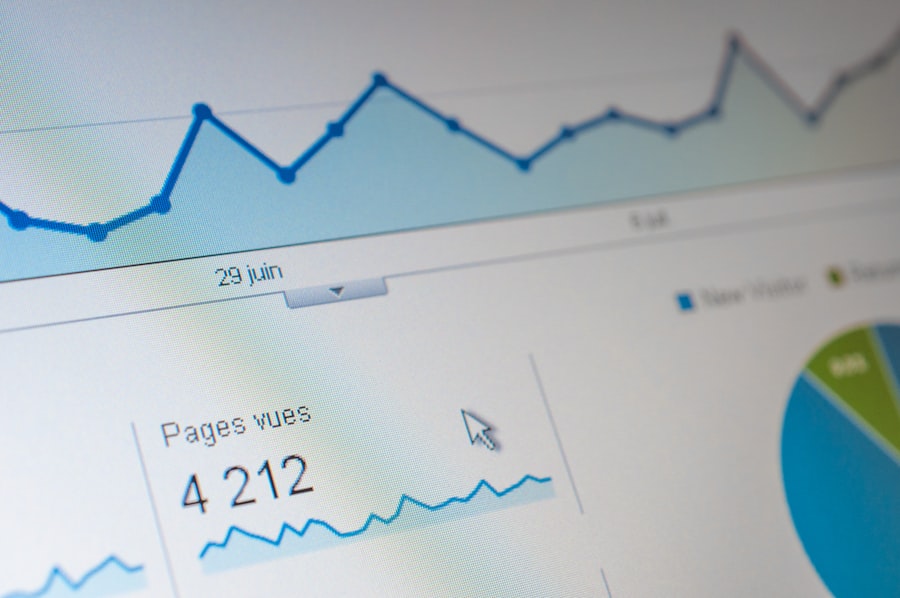
As we delve deeper into how consumer mapping helps businesses, we begin to appreciate its role in driving strategic decision-making. By analyzing the data collected through consumer mapping, we can identify trends and patterns that inform our business strategies. For instance, if we notice that a significant number of customers drop off at a particular stage in the purchasing process, we can investigate the reasons behind this behavior.
Armed with this knowledge, we can implement changes to streamline the process, ultimately leading to higher conversion rates and increased revenue. Additionally, consumer mapping allows us to segment our audience more effectively. By understanding the different personas within our customer base, we can tailor our marketing efforts to address their specific needs and preferences.
This segmentation enables us to create targeted campaigns that resonate with each group, maximizing our return on investment. As we refine our messaging and offerings based on these insights, we position ourselves as a brand that truly understands and values its customers, fostering loyalty and encouraging repeat business.
The Science Behind Consumer Mapping
| Metrics | Data |
|---|---|
| Consumer Behavior Analysis | Market research, purchase history, online activity |
| Geospatial Data | Location-based information, GPS coordinates, mapping data |
| Demographic Segmentation | Age, gender, income, education level |
| Psychographic Profiling | Personality traits, values, interests, lifestyle |
| Consumer Mapping Tools | GIS software, mapping platforms, data visualization tools |
The science behind consumer mapping is rooted in behavioral psychology and data analytics. As we engage in this process, we draw upon various methodologies to gather and analyze data about consumer behavior. Techniques such as surveys, interviews, and observational studies provide us with valuable insights into how consumers interact with our brand.
By employing these methods, we can create a more accurate representation of the customer journey, allowing us to identify key touchpoints and moments of truth that influence decision-making. Furthermore, data analytics plays a crucial role in enhancing our understanding of consumer behavior. By leveraging tools that analyze website traffic, social media engagement, and purchase history, we can uncover patterns that inform our marketing strategies.
This data-driven approach enables us to make evidence-based decisions rather than relying solely on intuition or assumptions. As we combine qualitative insights with quantitative data, we create a robust framework for understanding our customers’ journeys and optimizing their experiences with our brand.
Using Consumer Mapping to Predict Consumer Behavior
One of the most powerful applications of consumer mapping is its ability to predict consumer behavior. As we analyze the various touchpoints along the customer journey, we can identify trends that indicate how consumers are likely to respond to different marketing initiatives. For example, if we observe that customers who engage with our content on social media are more likely to make a purchase, we can prioritize social media marketing efforts in our strategy.
This predictive capability allows us to allocate resources more effectively and tailor our messaging to align with consumer preferences. Moreover, by understanding the emotional triggers that drive consumer behavior, we can craft marketing campaigns that resonate on a deeper level. When we map out the emotional journey of our customers—recognizing moments of frustration or delight—we can create targeted interventions that address their needs at critical junctures.
This proactive approach not only enhances the customer experience but also increases the likelihood of conversion and brand loyalty. As we harness the power of consumer mapping to predict behavior, we position ourselves as agile marketers who can adapt to changing consumer dynamics.
Implementing Consumer Mapping in Marketing Strategies

Implementing consumer mapping into our marketing strategies requires a systematic approach that integrates insights from various business areas. To begin this process, we must first gather data from multiple sources—such as customer feedback, sales data, and market research—to create a comprehensive view of the customer journey. Once we have this information, we can develop detailed personas that represent different segments of our audience.
These personas serve as guiding frameworks for crafting targeted marketing messages and campaigns. As we implement consumer mapping into our strategies, collaboration across departments becomes essential. Marketing teams must work closely with sales, customer service, and product development to ensure alignment in messaging and offerings.
By sharing insights gleaned from consumer mapping across these areas, we can create a cohesive brand experience that resonates with customers at every touchpoint. This collaborative approach not only enhances the effectiveness of our marketing efforts but also fosters a culture of customer-centricity within our organization.
Consumer Mapping Tools and Techniques
In today’s digital landscape, numerous tools and techniques are available to assist us in the consumer mapping process. Customer relationship management (CRM) systems provide valuable insights into customer interactions and behaviors over time. By leveraging these systems, we can track customer journeys from initial contact through post-purchase engagement, allowing us to identify trends and areas for improvement.
Additionally, visualization tools such as journey mapping software enable us to create visual representations of the customer journey. These tools allow us to map out each touchpoint and associated emotions in an easily digestible format. By utilizing these resources effectively, we can enhance our understanding of consumer behavior and make data-driven decisions that optimize the customer experience.
Ethical Considerations in Consumer Mapping
As we engage in consumer mapping practices, it is crucial for us to consider the ethical implications of our efforts. With increasing concerns about data privacy and security, we must ensure that we handle customer information responsibly and transparently. This involves obtaining consent for data collection and being clear about how this data will be used in our marketing strategies.
Moreover, ethical consumer mapping requires us to avoid manipulative tactics that exploit consumer vulnerabilities. Instead of using insights solely for profit maximization, we should focus on creating genuine value for our customers. By prioritizing ethical considerations in our consumer mapping efforts, we not only build trust with our audience but also contribute to a more sustainable business model that respects consumer rights and fosters long-term relationships.
In conclusion, as business owners navigating the complexities of consumer mapping, we recognize its profound impact on shaping effective marketing strategies and enhancing customer experiences. By understanding the intricacies of consumer behavior through mapping techniques, we position ourselves for success in an ever-evolving marketplace while maintaining ethical standards that prioritize customer trust and satisfaction.
If you’re interested in exploring how businesses can enhance customer experience by creating a welcoming environment, you might find the article “Creating an Atmosphere of Peace” particularly insightful. It discusses various strategies businesses can employ to make their premises more inviting and peaceful, which is a crucial aspect of consumer mapping as it directly influences customer perceptions and experiences. You can read more about these strategies by visiting Creating an Atmosphere of Peace. This article provides valuable insights that can help businesses improve their consumer mapping by focusing on the environmental factors that affect customer interactions.
FAQs
What is consumer mapping?
Consumer mapping is the process of using geographic information to analyze and understand consumer behavior, preferences, and trends. It involves mapping out the locations of consumers, their demographics, and their purchasing habits to gain insights for marketing and business decision-making.
How is consumer mapping used in business?
Consumer mapping is used in business for market analysis, site selection, targeted advertising, and understanding consumer behavior. It helps businesses identify potential customers, understand their preferences, and make informed decisions about product placement and marketing strategies.
What are the benefits of consumer mapping for businesses?
Consumer mapping provides businesses with valuable insights into consumer behavior, allowing them to target their marketing efforts more effectively, optimize their product distribution, and make informed decisions about expansion and growth opportunities.
What technologies are used for consumer mapping?
Consumer mapping utilizes geographic information systems (GIS), location-based services, and data visualization tools to analyze and map consumer data. These technologies help businesses visualize and understand consumer behavior in relation to geographic locations.
Is consumer mapping used in e-commerce and online businesses?
Yes, consumer mapping is used in e-commerce and online businesses to analyze customer data, optimize delivery routes, and personalize marketing efforts based on location. It helps online businesses understand the geographic distribution of their customers and tailor their strategies accordingly.


