


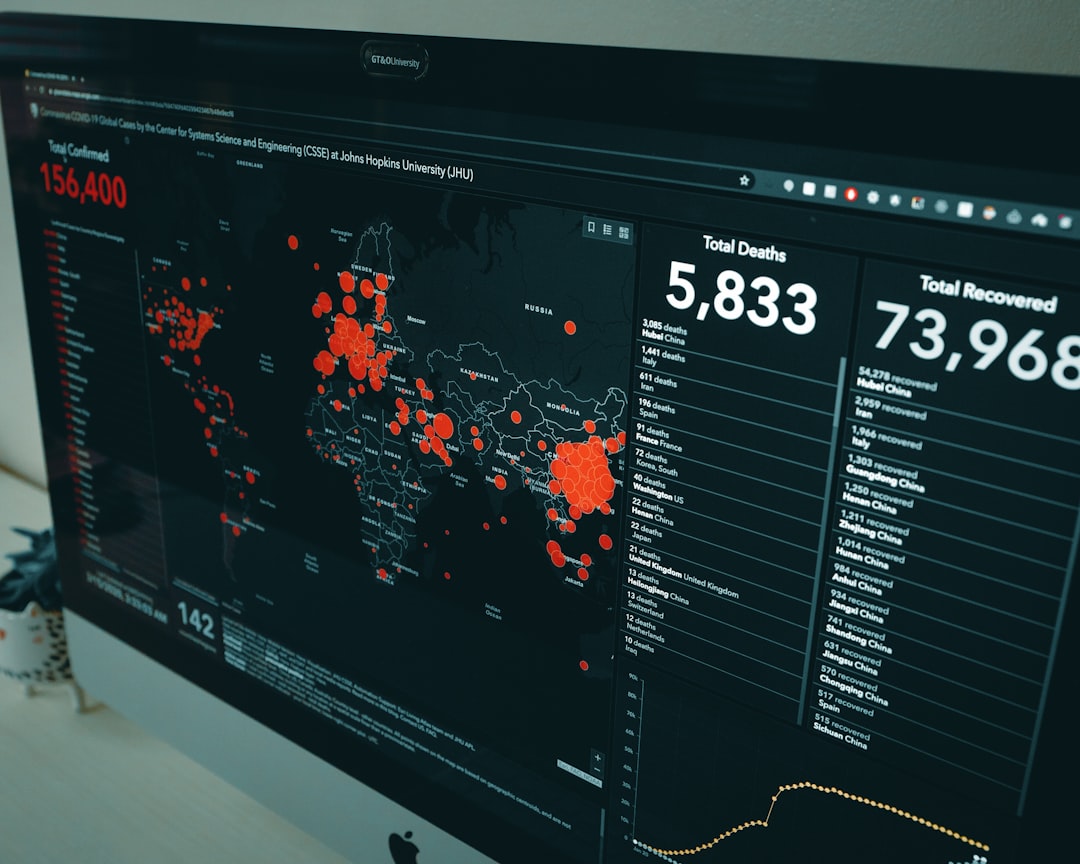
As business owners, we often find ourselves immersed in the intricate tapestry of the customer journey. This journey is not merely a linear path from awareness to purchase; rather, it is a complex series of interactions that our customers have with our brand across various touchpoints. From the moment a potential customer first hears about our product or service, to the time they make a purchase and beyond, each interaction shapes their perception and experience.
We must recognize that this journey is unique for every individual, influenced by their personal preferences, previous experiences, and even external factors such as social media trends or peer recommendations. By understanding this multifaceted journey, we can better tailor our strategies to meet the needs and expectations of our customers. Moreover, the customer journey is not static; it evolves over time as we gather more insights and feedback from our audience.
We need to be attuned to the shifts in customer behavior and preferences, which can be influenced by technological advancements or changes in market dynamics. By mapping out the various stages of the customer journey—awareness, consideration, decision, and post-purchase—we can identify key moments that matter most to our customers. This understanding allows us to create targeted marketing campaigns, enhance customer service interactions, and ultimately foster a deeper connection with our audience.
As we delve deeper into the nuances of the customer journey, we can uncover valuable insights that will guide our business decisions and drive growth.
Key Takeaways
- Understanding the customer journey is crucial for businesses to effectively engage and retain customers.
- Analytics plays a vital role in understanding customer behavior and preferences throughout their journey.
- Types of analytics for customer journey insights include descriptive, diagnostic, predictive, and prescriptive analytics.
- Utilizing data for personalized customer experiences can lead to increased customer satisfaction and loyalty.
- Improving marketing strategies with customer journey analytics can help businesses target the right audience at the right time with the right message.
Importance of Analytics in Customer Journey
The Power of Analytics in Understanding the Customer Journey
In today’s data-driven world, analytics plays a crucial role in shaping our understanding of the customer journey. As business owners, we have access to a wealth of data that can illuminate how customers interact with our brand at every stage of their journey. By leveraging analytics, we can gain insights into customer behavior, preferences, and pain points, enabling us to make informed decisions that enhance the overall experience.
The Backbone of Business Strategies
The importance of analytics cannot be overstated; it serves as the backbone of our strategies, allowing us to identify trends and patterns that may otherwise go unnoticed. Furthermore, analytics empowers us to measure the effectiveness of our Marketing efforts and customer engagement initiatives. By tracking key performance indicators (KPIs) such as conversion rates, customer retention rates, and engagement metrics, we can assess what is working and what needs improvement.
Driving Continuous Improvement and Customer Satisfaction
This data-driven approach not only helps us optimize our marketing strategies but also fosters a culture of continuous improvement within our organization. As we embrace analytics in our decision-making processes, we position ourselves to respond proactively to changing customer needs and preferences, ultimately driving greater satisfaction and loyalty.
Types of Analytics for Customer Journey Insights
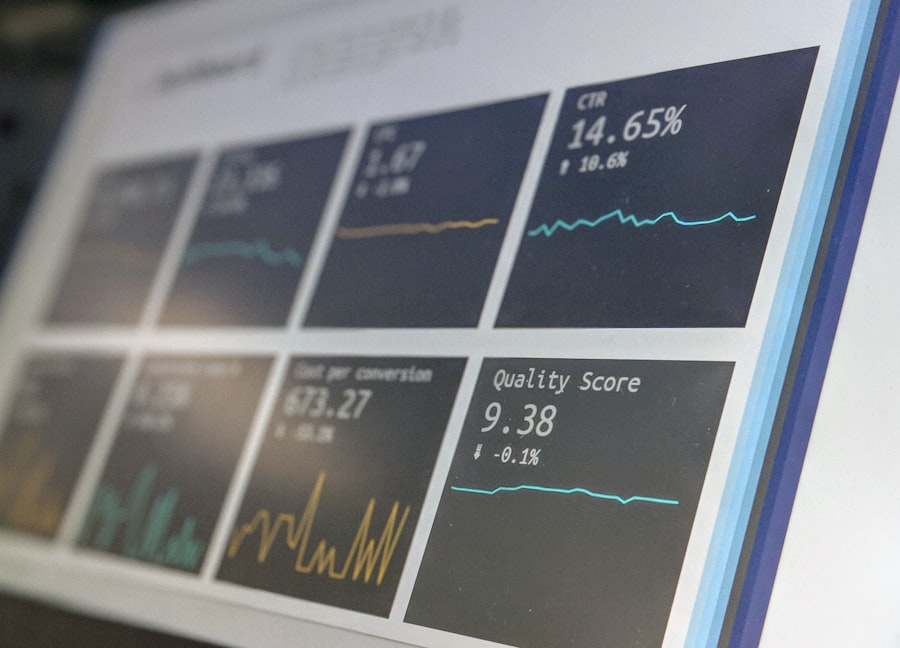
As we explore the various types of analytics available to us, it becomes clear that each type serves a distinct purpose in enhancing our understanding of the customer journey. Descriptive analytics provides us with a historical view of customer interactions, allowing us to analyze past behaviors and trends. By examining data such as website traffic, purchase history, and customer feedback, we can identify patterns that inform our future strategies.
This foundational knowledge is crucial as it sets the stage for more advanced analytical techniques. On the other hand, predictive analytics takes us a step further by utilizing historical data to forecast future behaviors. By employing machine learning algorithms and statistical models, we can anticipate customer needs and preferences before they even arise.
This proactive approach enables us to tailor our marketing efforts and product offerings to align with anticipated trends. Additionally, prescriptive analytics offers actionable recommendations based on data analysis, guiding us in making informed decisions that optimize the customer journey. By harnessing these various types of analytics, we can create a comprehensive understanding of our customers’ experiences and drive meaningful improvements across all business areas.
Utilizing Data for Personalized Customer Experiences
| Metrics | Value |
|---|---|
| Customer Satisfaction | 85% |
| Conversion Rate | 10% |
| Personalization Effectiveness | 90% |
| Customer Retention | 95% |
In an era where personalization is paramount, utilizing data effectively allows us to create tailored experiences for our customers. By analyzing customer data—such as demographics, purchase history, and online behavior—we can segment our audience into distinct groups with shared characteristics. This segmentation enables us to craft personalized marketing messages and offers that resonate with each group’s unique preferences.
For instance, if we notice that a segment of our customers frequently purchases eco-friendly products, we can highlight sustainable options in our communications with them. This level of personalization not only enhances the customer experience but also fosters loyalty and encourages repeat business. Moreover, personalized experiences extend beyond marketing; they encompass every interaction a customer has with our brand.
By leveraging data from various touchpoints—such as email campaigns, social media interactions, and website visits—we can create a cohesive experience that feels tailored to each individual. For example, if a customer abandons their shopping cart on our website, we can send them a personalized follow-up email reminding them of their items and offering an incentive to complete their purchase. This proactive approach demonstrates that we value their business and are attentive to their needs.
Ultimately, by utilizing data for personalization, we not only enhance customer satisfaction but also drive higher conversion rates and long-term loyalty.
Improving Marketing Strategies with Customer Journey Analytics
As business owners, we recognize that effective marketing strategies are rooted in a deep understanding of the customer journey. By employing customer journey analytics, we can gain valuable insights into how customers interact with our brand at each stage of their journey. This data allows us to identify which marketing channels are most effective in driving awareness and engagement.
For instance, if we discover that social media campaigns yield higher conversion rates than email marketing efforts, we can allocate resources accordingly to maximize our return on investment. Additionally, customer journey analytics enables us to refine our messaging and content strategies based on customer behavior. By analyzing engagement metrics such as click-through rates and time spent on specific pages, we can determine which types of content resonate most with our audience.
This insight allows us to create targeted campaigns that speak directly to their interests and pain points. Furthermore, by continuously monitoring customer interactions and feedback, we can adapt our marketing strategies in real-time to ensure they remain relevant and effective. In this way, customer journey analytics serves as a powerful tool for driving marketing success.
Identifying Pain Points and Opportunities in the Customer Journey
One of the most significant advantages of analyzing the customer journey is our ability to identify pain points and opportunities for improvement. As business owners, we must be vigilant in recognizing where customers may encounter obstacles or frustrations during their interactions with our brand. By examining data from various sources—such as customer feedback surveys, support tickets, and website analytics—we can pinpoint specific areas where customers may be experiencing difficulties.
For example, if we notice a high drop-off rate during the checkout process on our website, it may indicate that there are usability issues that need addressing. Conversely, identifying opportunities within the customer journey allows us to enhance the overall experience and drive growth. By analyzing trends in customer behavior and preferences, we can uncover new avenues for engagement or product offerings that align with their needs.
For instance, if we observe an increasing demand for subscription services among our customers, we may consider introducing a subscription model for our products or services. By proactively addressing pain points and capitalizing on opportunities, we position ourselves as responsive and customer-centric businesses that prioritize delivering exceptional experiences.
Implementing Actionable Insights from Customer Journey Analytics
Once we have gathered insights from customer journey analytics, the next crucial step is implementing actionable strategies based on those findings. As business owners, it is essential for us to translate data into tangible actions that drive improvements across all areas of our business. This may involve revising marketing campaigns to better align with customer preferences or enhancing product features based on user feedback.
For instance, if analytics reveal that customers are frequently requesting a specific feature in our product, we should prioritize its development to meet their needs. Moreover, implementing actionable insights requires collaboration across different departments within our organization. Marketing teams may need to work closely with product development teams to ensure that new features align with customer expectations while sales teams may need training on how to effectively communicate these changes to customers.
By fostering a culture of collaboration and open communication within our organization, we can ensure that insights from customer journey analytics are effectively integrated into our overall strategy. Ultimately, this proactive approach positions us for success by continuously improving the customer experience.
Measuring Success and ROI with Customer Journey Analytics
To truly understand the impact of our efforts in enhancing the customer journey, measuring success and return on investment (ROI) is paramount. As business owners, we must establish clear metrics that allow us to evaluate the effectiveness of our strategies over time. Key performance indicators such as customer satisfaction scores, net promoter scores (NPS), and conversion rates provide valuable insights into how well we are meeting customer expectations.
By regularly monitoring these metrics, we can assess whether our initiatives are yielding positive results or if adjustments are necessary. Additionally, measuring ROI involves analyzing the financial impact of improvements made based on customer journey analytics. For instance, if we implemented changes that resulted in increased conversion rates or higher average order values, it is essential for us to quantify those gains against the costs incurred during implementation.
This analysis not only helps us justify investments in future initiatives but also reinforces the importance of data-driven decision-making within our organization. By continuously measuring success and ROI through customer journey analytics, we position ourselves for sustained growth while ensuring that we remain responsive to evolving customer needs.
If you’re interested in enhancing your understanding of customer journey analytics, you might find valuable insights in a related article on the 2xmybiz website. The article delves into various strategies for improving customer experience and optimizing business operations. You can read more about these techniques and how they apply to customer journey analytics by visiting this link. This resource is particularly useful for marketers and business owners looking to leverage data-driven decisions to boost customer satisfaction and retention.
FAQs
What is customer journey analytics?
Customer journey analytics is the process of tracking and analyzing the various touchpoints and interactions a customer has with a company across multiple channels and over time. This includes online and offline interactions such as website visits, social media engagement, email interactions, and in-store visits.
Why is customer journey analytics important?
Customer journey analytics is important because it provides valuable insights into the customer experience, allowing companies to understand their customers’ behavior, preferences, and pain points. This information can be used to improve marketing strategies, product offerings, and overall customer satisfaction.
What are the benefits of using customer journey analytics?
Some of the benefits of using customer journey analytics include:
– Understanding the customer’s path to purchase
– Identifying opportunities for improving the customer experience
– Personalizing marketing and sales efforts
– Increasing customer retention and loyalty
– Gaining a competitive advantage in the market
How is customer journey analytics different from traditional analytics?
Traditional analytics typically focus on individual touchpoints or channels, while customer journey analytics looks at the entire customer journey across multiple touchpoints and channels. Customer journey analytics provides a more holistic view of the customer’s interactions with the company, allowing for a deeper understanding of the customer experience.
What are some common tools used for customer journey analytics?
There are several tools and platforms available for customer journey analytics, including customer relationship management (CRM) systems, marketing automation software, web analytics tools, and customer journey mapping software. These tools help companies track and analyze customer interactions across various channels and touchpoints.


