



As business owners, we recognize that understanding customer behavior is the cornerstone of our success. By delving into the motivations, preferences, and pain points of our target audience, we can tailor our offerings to meet their needs more effectively. This understanding goes beyond mere demographics; it encompasses the emotional and psychological factors that drive purchasing decisions.
We often conduct surveys, focus groups, and interviews to gather qualitative data, which helps us paint a comprehensive picture of our customers. By analyzing this information, we can identify trends and patterns that inform our marketing strategies and product development, ultimately leading to a more engaged and loyal customer base. Moreover, we must also consider the impact of external factors on customer behavior.
Economic conditions, cultural shifts, and technological advancements can all influence how our customers interact with our brand. By staying attuned to these changes, we can adapt our strategies accordingly. For instance, during economic downturns, we may find that customers prioritize value over luxury, prompting us to adjust our pricing strategies or highlight the cost-effectiveness of our products.
By continuously monitoring these dynamics, we position ourselves to respond proactively to shifts in customer behavior, ensuring that we remain relevant and competitive in an ever-evolving marketplace.
Key Takeaways
- Understanding customer behavior is crucial for effective marketing and sales strategies.
- HubSpot Analytics Tools provide valuable insights into customer interactions and conversion rates.
- Tracking customer interactions helps in understanding their preferences and behavior.
- Analyzing conversion rates helps in identifying areas for improvement in the sales funnel.
- Identifying customer touchpoints is essential for creating personalized customer experiences.
Leveraging HubSpot Analytics Tools
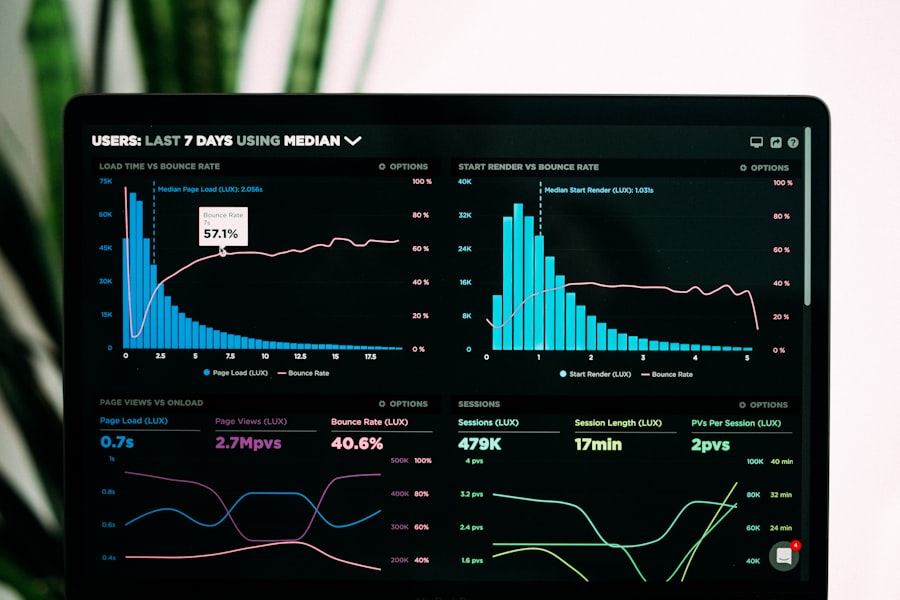
In our quest to enhance our understanding of customer behavior, we have turned to HubSpot’s analytics tools as invaluable resources. These tools provide us with a wealth of data that allows us to track various metrics related to customer engagement and conversion. By utilizing HubSpot’s dashboard, we can visualize key performance indicators (KPIs) such as website traffic, lead generation, and email open rates.
This data empowers us to make informed decisions about our Marketing strategies and identify areas for improvement. For instance, if we notice a drop in website traffic, we can investigate potential causes and implement targeted campaigns to drive more visitors to our site. Additionally, HubSpot’s analytics tools enable us to segment our audience based on their behaviors and preferences.
This segmentation allows us to create more personalized marketing campaigns that resonate with specific customer groups. By analyzing the performance of these campaigns through HubSpot’s reporting features, we can determine which strategies yield the best results and refine our approach accordingly. This iterative process not only enhances our marketing effectiveness but also fosters a deeper connection with our customers, as they receive content and offers that align with their interests and needs.
Tracking Customer Interactions

To build a comprehensive understanding of our customers’ journeys, we prioritize tracking customer interactions across various touchpoints. This involves monitoring how customers engage with our brand through different channels, such as social media, email, and our website. By employing tools like HubSpot’s CRM system, we can capture detailed records of each interaction, allowing us to analyze customer behavior over time.
This data is crucial for identifying trends in customer engagement and understanding how different channels contribute to the overall customer experience. Furthermore, tracking customer interactions enables us to identify potential pain points in the customer journey. For example, if we notice a high drop-off rate during the checkout process on our website, we can investigate the issue further and implement changes to streamline the experience.
By addressing these pain points proactively, we not only improve customer satisfaction but also increase the likelihood of conversion. Ultimately, by meticulously tracking customer interactions, we gain valuable insights that inform our strategies and help us create a seamless and enjoyable experience for our customers.
Analyzing Conversion Rates
| Metrics | Value |
|---|---|
| Conversion Rate | 25% |
| Number of Conversions | 100 |
| Number of Visitors | 400 |
| Conversion Rate by Channel |
|
As business owners, we understand that conversion rates are a critical metric for measuring the effectiveness of our marketing efforts. By analyzing conversion rates across different channels and campaigns, we can gain insights into what resonates with our audience and what doesn’t. For instance, if we observe that a particular email campaign has a significantly higher conversion rate than others, it prompts us to investigate the elements that contributed to its success—be it the subject line, content, or call-to-action.
This analysis allows us to replicate successful strategies in future campaigns while also identifying areas for improvement in underperforming initiatives. Moreover, analyzing conversion rates also involves understanding the customer journey leading up to a conversion. By mapping out this journey and identifying key touchpoints where customers engage with our brand, we can pinpoint opportunities for optimization.
For example, if we find that customers who engage with our social media content are more likely to convert than those who only visit our website, we may choose to invest more resources into social media marketing. This data-driven approach not only enhances our marketing effectiveness but also ensures that we allocate our resources wisely to maximize return on investment.
Identifying Customer Touchpoints
In our efforts to create a seamless customer experience, identifying customer touchpoints is essential. Touchpoints are the various interactions customers have with our brand throughout their journey—from initial awareness to post-purchase follow-up. By mapping out these touchpoints, we gain a clearer understanding of how customers perceive and interact with our brand at each stage of their journey.
This insight allows us to optimize each touchpoint for maximum impact, ensuring that customers receive consistent messaging and support regardless of where they are in their journey. Additionally, recognizing the importance of both online and offline touchpoints is crucial in today’s multi-channel landscape. For instance, while digital interactions such as website visits and social media engagement are vital, traditional touchpoints like in-store experiences or customer service calls also play a significant role in shaping customer perceptions.
By taking a holistic approach to touchpoint identification, we can create a cohesive brand experience that resonates with customers across all channels. This comprehensive understanding ultimately leads to increased customer satisfaction and loyalty as they feel valued and understood throughout their journey with us.
Personalizing Customer Experiences
As business owners committed to delivering exceptional value to our customers, personalizing their experiences has become a top priority. We recognize that today’s consumers expect tailored interactions that cater to their unique preferences and needs. By leveraging data collected from various sources—such as purchase history, browsing behavior, and demographic information—we can create personalized marketing campaigns that resonate with individual customers.
For example, if a customer frequently purchases eco-friendly products from us, we can send them targeted promotions or recommendations for similar items that align with their values. Moreover, personalization extends beyond marketing efforts; it encompasses every aspect of the customer experience. From personalized email communications to customized product recommendations on our website, we strive to create meaningful connections with our customers at every touchpoint.
By utilizing tools like HubSpot’s automation features, we can deliver timely and relevant content based on customer behavior—ensuring that each interaction feels tailored and intentional. This level of personalization not only enhances customer satisfaction but also fosters loyalty as customers feel recognized and valued by our brand.
Improving Marketing Campaigns
In our pursuit of continuous improvement, we regularly assess the effectiveness of our marketing campaigns. By analyzing key metrics such as engagement rates, conversion rates, and return on investment (ROI), we gain valuable insights into what works and what doesn’t. This data-driven approach allows us to refine our strategies over time—whether it’s adjusting messaging, targeting different audience segments, or experimenting with new channels.
For instance, if we discover that video content generates higher engagement than static images in our social media campaigns, we may choose to allocate more resources toward video production moving forward. Additionally, soliciting feedback from customers plays a crucial role in improving our marketing efforts. We often conduct post-campaign surveys or gather insights through social media polls to understand how customers perceive our messaging and offers.
This feedback not only informs future campaigns but also demonstrates to our customers that their opinions matter—fostering a sense of community around our brand. By embracing a culture of continuous improvement and actively seeking input from our audience, we position ourselves for long-term success in an ever-changing marketplace.
Measuring Customer Satisfaction
Ultimately, measuring customer satisfaction is paramount in ensuring that we meet—and exceed—our customers’ expectations. We employ various methods to gauge satisfaction levels, including surveys, Net Promoter Score (NPS) assessments, and online reviews. These tools provide us with valuable insights into how customers perceive their experiences with our brand and highlight areas where we excel or need improvement.
For instance, if we receive consistent feedback indicating that customers appreciate our responsive customer service team but express frustration with long shipping times, it prompts us to reevaluate our logistics processes. Furthermore, measuring customer satisfaction is not just about collecting data; it’s about taking action based on those insights. We make it a priority to analyze feedback trends over time and implement changes accordingly—whether it’s enhancing product quality or streamlining communication channels.
By demonstrating a commitment to listening to our customers and making improvements based on their feedback, we foster trust and loyalty within our audience. Ultimately, by prioritizing customer satisfaction as a core business objective, we position ourselves for sustainable growth and success in an increasingly competitive landscape.
If you’re looking to enhance your understanding of customer journey analytics, particularly using tools like HubSpot, you might find the article on 2xmybiz.com quite enlightening. This website offers a range of insights and resources that can help you better understand how to track and analyze customer interactions across various touchpoints. Although the specific article on customer journey analytics isn’t listed here, browsing through their general offerings might provide you with valuable information and related content that can aid in optimizing your marketing strategies using platforms like HubSpot.
FAQs
What is customer journey analytics?
Customer journey analytics is the process of tracking and analyzing the interactions and touchpoints a customer has with a company across various channels and platforms. This includes understanding the customer’s behavior, preferences, and experiences throughout their entire journey with the company.
What is HubSpot?
HubSpot is a leading customer relationship management (CRM) platform that provides tools for marketing, sales, customer service, and content management. It helps businesses attract, engage, and delight customers by providing a seamless experience across the entire customer journey.
How does HubSpot help with customer journey analytics?
HubSpot offers a range of analytics tools that allow businesses to track and analyze customer interactions at every stage of the customer journey. This includes tracking website visits, email engagement, social media interactions, and more. HubSpot’s analytics capabilities provide valuable insights into customer behavior and help businesses optimize their marketing, sales, and customer service strategies.
What are the benefits of using customer journey analytics with HubSpot?
By leveraging customer journey analytics with HubSpot, businesses can gain a deeper understanding of their customers’ needs, preferences, and pain points. This allows for more personalized and targeted marketing efforts, improved customer engagement, and better overall customer experiences. Additionally, businesses can identify opportunities for optimization and improvement throughout the customer journey, leading to increased customer satisfaction and loyalty.


