



As we navigate the ever-evolving landscape of digital marketing, we find ourselves witnessing a significant shift towards video content, particularly on platforms like LinkedIn. Over the past few years, video marketing has surged in popularity, and LinkedIn has emerged as a powerful platform for businesses to connect with their audience through engaging visual content. This rise can be attributed to several factors, including the increasing consumption of video across all demographics and the platform’s unique positioning as a professional networking site.
As we embrace this trend, we recognize that video marketing on LinkedIn is not just a passing fad; it is a vital component of our overall marketing strategy. The statistics speak volumes about the effectiveness of video content. Research indicates that video posts on LinkedIn receive 20 times more engagement than text-based posts.
This compelling data encourages us to explore how we can harness the power of video to enhance our brand visibility and foster deeper connections with our audience. By integrating video into our LinkedIn marketing efforts, we can showcase our expertise, share valuable insights, and humanize our brand in a way that resonates with our target audience. As we embark on this journey, we must remain mindful of the unique characteristics of LinkedIn as a professional platform, ensuring that our video content aligns with the expectations and interests of our audience.
Key Takeaways
- Video marketing on LinkedIn is on the rise, with more businesses and professionals using video content to engage with their audience.
- Creating engaging and relevant video content is crucial for capturing the attention of LinkedIn users and driving meaningful interactions.
- Leveraging LinkedIn’s video features such as native video uploads, live video, and video ads can help businesses reach a wider audience and increase engagement.
- Best practices for sharing video content on LinkedIn include optimizing video titles and descriptions, using relevant hashtags, and posting at optimal times for maximum visibility.
- Measuring the success of your LinkedIn video marketing campaign is essential for understanding the impact of your content and making informed decisions for future strategies.
Creating Engaging and Relevant Video Content
To truly capitalize on the potential of video marketing on LinkedIn, we must focus on creating content that is not only engaging but also relevant to our audience. The first step in this process is understanding who our target audience is and what they care about. By conducting thorough research and gathering insights into their preferences, we can tailor our video content to address their specific needs and interests.
Whether it’s industry trends, expert interviews, or how-to guides, our videos should provide value and foster a sense of connection with our viewers. Moreover, storytelling plays a crucial role in crafting compelling video content. We should aim to tell stories that resonate with our audience on an emotional level.
By sharing personal experiences, case studies, or customer testimonials, we can create a narrative that captivates viewers and encourages them to engage with our brand. Additionally, incorporating visuals, animations, and graphics can enhance the storytelling experience, making our videos more dynamic and memorable. As we create our video content, let’s keep in mind that authenticity is key; viewers are more likely to connect with genuine stories rather than overly polished productions.
Leveraging LinkedIn’s Video Features

LinkedIn offers a variety of features that can enhance our video marketing efforts. One of the most significant advantages is the ability to upload videos directly to the platform. By doing so, we can take advantage of LinkedIn’s algorithm, which tends to favor native video content over external links.
This means that our videos are more likely to be seen by a wider audience when uploaded directly to LinkedIn. Additionally, we can utilize features such as captions and hashtags to increase accessibility and discoverability, ensuring that our content reaches the right people. Another valuable feature is LinkedIn Live, which allows us to broadcast live video content to our network.
This real-time interaction can foster a sense of community and engagement among our audience. We can use LinkedIn Live for product launches, Q&A sessions, or industry discussions, providing an opportunity for viewers to participate actively. By leveraging these features effectively, we can create a more immersive experience for our audience and encourage them to engage with our brand in meaningful ways.
Best Practices for Sharing Video Content on LinkedIn
| Best Practices for Sharing Video Content on LinkedIn |
|---|
| 1. Keep videos short and concise |
| 2. Add captions for better accessibility |
| 3. Use high-quality visuals and audio |
| 4. Include a clear call-to-action |
| 5. Share relevant and valuable content |
| 6. Engage with your audience through comments |
When it comes to sharing video content on LinkedIn, there are several best practices we should keep in mind to maximize our reach and engagement. First and foremost, we should aim for brevity; attention spans are short, especially in a professional setting. Keeping our videos concise—ideally under two minutes—ensures that we capture and maintain the viewer’s attention throughout the entire piece.
Additionally, we should prioritize high-quality production values; clear audio and visuals are essential for conveying professionalism and credibility. Timing is also crucial when sharing our videos. We should consider posting during peak engagement times on LinkedIn, typically during weekdays and business hours when professionals are most active on the platform.
Furthermore, crafting compelling captions and including relevant hashtags can significantly enhance the visibility of our videos. By providing context and encouraging viewers to engage with our content through comments or shares, we can create a more interactive experience that fosters community around our brand.
Measuring the Success of Your LinkedIn Video Marketing Campaign
To ensure that our video marketing efforts are effective, we must establish clear metrics for measuring success. Key performance indicators (KPIs) such as views, likes, shares, comments, and click-through rates provide valuable insights into how well our content resonates with our audience. By analyzing these metrics regularly, we can identify trends and patterns that inform our future video marketing strategies.
Additionally, we should consider using LinkedIn’s analytics tools to gain deeper insights into viewer demographics and engagement levels. Understanding who is watching our videos and how they interact with our content allows us to refine our targeting efforts and create more tailored content in the future. Ultimately, measuring success is not just about tracking numbers; it’s about understanding how our video marketing contributes to broader business goals such as lead generation, brand awareness, and customer loyalty.
Utilizing LinkedIn Video Ads for Maximum Impact
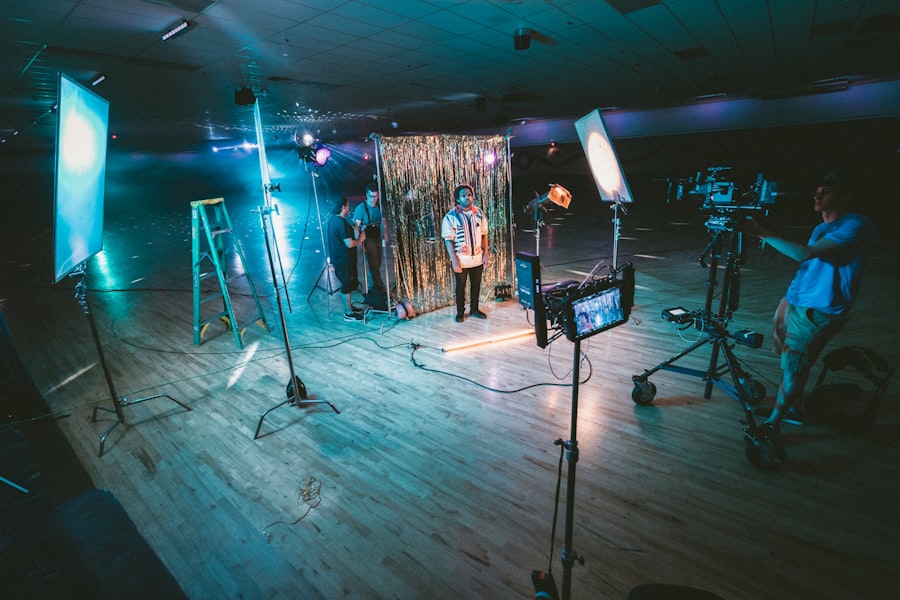
As we explore ways to amplify our video marketing efforts on LinkedIn, we should consider investing in LinkedIn Video Ads. These ads allow us to reach a highly targeted audience based on factors such as industry, job title, and location. By leveraging LinkedIn’s robust targeting capabilities, we can ensure that our video content reaches decision-makers who are most likely to engage with our brand.
When creating video ads, it’s essential to craft compelling narratives that capture attention quickly. The first few seconds are critical; if we fail to hook viewers immediately, they may scroll past our content without a second thought. Additionally, incorporating strong calls-to-action (CTAs) encourages viewers to take the next step—whether it’s visiting our website, signing up for a newsletter, or engaging with us on social media.
By utilizing LinkedIn Video Ads strategically, we can maximize the impact of our video marketing campaigns and drive meaningful results for our business.
Building a Strong LinkedIn Video Marketing Strategy
To achieve long-term success with video marketing on LinkedIn, we must develop a comprehensive strategy that aligns with our overall business objectives. This strategy should begin with defining clear goals—whether it’s increasing brand awareness, generating leads, or establishing thought leadership within our industry.
Next, we should establish a content calendar that outlines the types of videos we plan to create and when they will be published. This proactive approach ensures consistency in our messaging and allows us to plan for seasonal trends or industry events that may influence viewer interest. Additionally, we should continuously evaluate and adjust our strategy based on performance metrics and audience feedback.
By remaining agile and responsive to changes in viewer preferences or market dynamics, we can ensure that our video marketing efforts remain relevant and effective.
Examples of Successful LinkedIn Video Marketing Campaigns
As we look for inspiration in building our own video marketing campaigns on LinkedIn, it’s helpful to examine successful examples from other brands. One notable case is that of HubSpot, which has effectively utilized video content to share valuable insights about inbound marketing strategies. Their engaging how-to videos not only educate their audience but also position HubSpot as a thought leader in the industry.
By featuring customer success stories and demonstrating how their technology solves problems, Microsoft creates an emotional connection with viewers while highlighting their brand’s value proposition. These examples remind us that successful video marketing on LinkedIn is not just about promoting products; it’s about creating meaningful connections with our audience through authentic storytelling.
As we embark on our own journey into LinkedIn video marketing, let’s draw inspiration from these successful campaigns while remaining true to our brand’s voice and values. By focusing on creating engaging content that resonates with our audience and leveraging the unique features of LinkedIn effectively, we can harness the power of video marketing to drive growth for our business in this dynamic digital landscape.
If you’re exploring strategies to enhance your LinkedIn video marketing efforts, you might find the article on creating an engaging atmosphere for your content particularly useful. It discusses various techniques to make your content more appealing and effective, which can be directly applied to video marketing on LinkedIn to increase viewer engagement and retention. You can read more about these strategies in detail by visiting Creating an Atmosphere of Peace. This resource provides valuable insights into setting the right tone and environment that could captivate your audience.
FAQs
What is LinkedIn video marketing?
LinkedIn video marketing is the use of video content on the LinkedIn platform to promote a brand, product, or service, and to engage with the professional audience on the platform.
Why is LinkedIn video marketing important?
LinkedIn video marketing is important because it allows businesses to connect with a professional audience, showcase their expertise, and build brand awareness in a professional setting.
How can businesses use LinkedIn video marketing effectively?
Businesses can use LinkedIn video marketing effectively by creating high-quality, professional videos that provide valuable insights, tips, and information relevant to their target audience. They can also use video to showcase company culture, highlight customer testimonials, and share industry news.
What are the benefits of LinkedIn video marketing?
The benefits of LinkedIn video marketing include increased engagement with a professional audience, improved brand visibility, the opportunity to showcase expertise and thought leadership, and the ability to humanize the brand by showcasing company culture and employee stories.
What are some best practices for LinkedIn video marketing?
Some best practices for LinkedIn video marketing include keeping videos short and to the point, adding captions for accessibility, using eye-catching visuals, including a strong call to action, and analyzing video performance to optimize future content.


